Protecting resources, both physical and digital, is essential for modern businesses.
Access control systems regulate who can enter spaces or handle sensitive data.
Effective implementation ensures security, reduces risks, and supports smooth operations. Read on to explore its importance further.
Digital Access Control Protects Sensitive Data
Digital access control ensures that sensitive information is only accessible to authorised users within a system. It regulates permissions based on roles, responsibilities, and necessity. This prevents data from falling into the wrong hands.
Methods like multi-factor authentication (MFA) and encryption add layers of security to digital systems. They block unauthorised access while ensuring seamless use for approved individuals.
Implementing robust protocols protects against cyber threats like phishing attacks or internal mishandling of information.
Regularly reviewing access rights ensures permissions remain appropriate as staff roles evolve over time.
By prioritising controlled digital access, businesses maintain operational security and reduce risks tied to unauthorised breaches or unintentional exposure of private data.
Physical Access Control Secures Business Premises
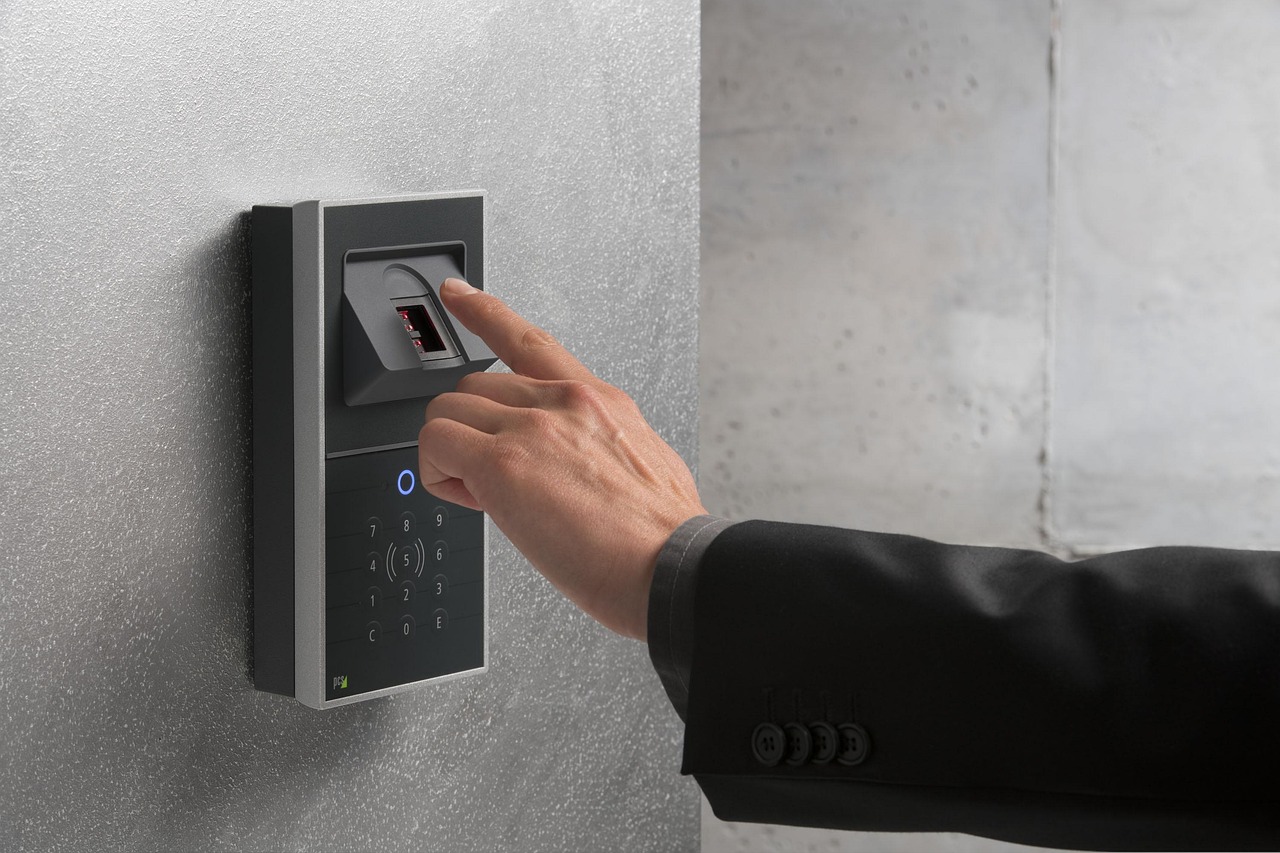
Physical access control regulates who can enter specific areas within a business's premises. It includes systems like keycards and biometric scanners, as well as telephone entry systems and intercoms (like those at All Security Equipment) to restrict unauthorised movement.
Securing physical spaces protects assets, equipment, and confidential documents from theft or tampering. Moreover, it ensures employee safety by preventing unknown individuals from wandering into sensitive zones.
Regular maintenance of access control hardware is essential for uninterrupted operation.
Outdated systems or neglected repairs can create vulnerabilities that compromise security measures.
Access logs further enhance accountability by recording who enters restricted spaces and when.
Strong physical access control prevents potential intrusions while giving businesses the confidence to operate securely without interruptions or unnecessary risks to their workforce.
Compliance Measures Rely on Strong Access Control
Access control systems play a critical role in helping businesses meet compliance standards. Regulations such as GDPR or ISO 27001 require companies to protect sensitive data and monitor access.
Strong access control frameworks ensure only authorised personnel handle regulated information.
Digital and physical controls also create an audit trail, which is crucial for demonstrating compliance during inspections or reviews.
Failing to secure access can result in hefty fines or reputational damage from non-compliance.
Regular audits of both digital permissions and physical entry systems are necessary to align with evolving legal requirements.
Adopting reliable security practices ensures businesses fulfil regulatory obligations while protecting themselves against penalties tied to oversight or lax enforcement measures.
Security Layers Minimise Downtime for Businesses
Access control systems act as a first line of defence against security threats that could disrupt operations. Controlling access to both physical premises and digital resources reduces risks like theft, sabotage, or data breaches.
When unauthorised access occurs, the resulting downtime can cost businesses significant time and money. Disrupted workflows or halted production affect output, impacting overall revenue and client trust.
Multi-layered access control mechanisms limit vulnerabilities by providing secure barriers at every level.
From securing server rooms with biometric entry to protecting databases through role-based permissions, these measures safeguard continuity.
By maintaining well-monitored and robust controls, companies minimise disruptions caused by avoidable breaches or other security incidents—ensuring smooth day-to-day functioning without unnecessary interruptions.