
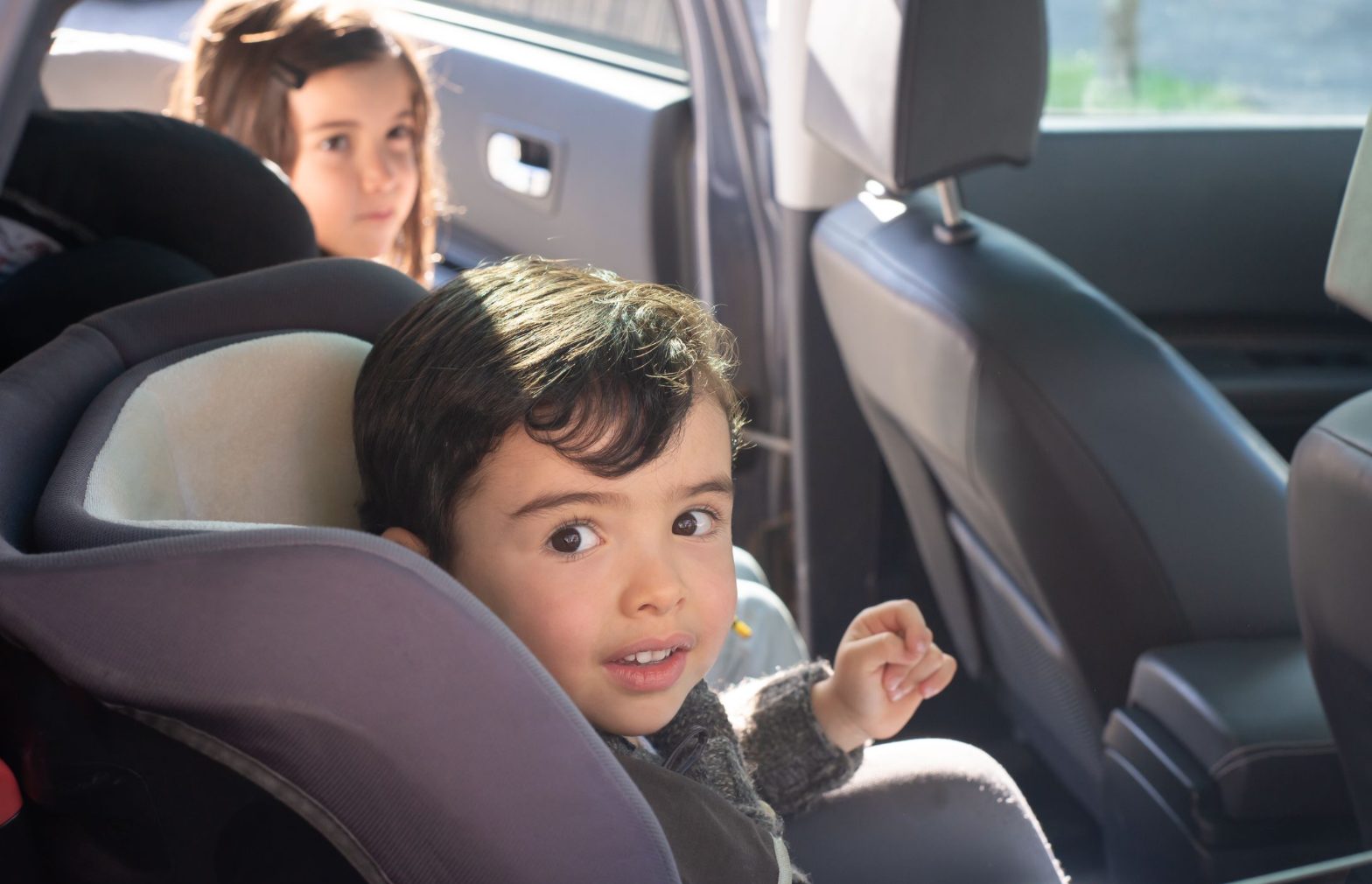
Parents often feel pressure to fill every quiet moment with questions, songs, or conversation during car rides. However, many pediatricians say that talking less at certain times can actually benefit children in surprising ways. The goal is not to eliminate conversation but to create space for children to think, observe, and start conversations on their own. Understanding when to stay quiet may help support language development, emotional regulation, and even safer driving.
Quiet Moments Give Children Time to Process Their Thoughts
Talking less during car rides encourages intentional silence rather than constant chatter. Children spend much of their day processing new experiences from school, daycare, and social interactions. A quiet drive home gives their brains a chance to organize those thoughts without additional stimulation. Pediatric experts often explain that children need downtime just as much as they need interaction, especially after busy, sensory-filled days. Instead of asking nonstop questions, allowing brief periods of silence may help children feel more relaxed and mentally refreshed.
Children Often Open Up When There’s Less Pressure
Ironically, talking less during car rides can encourage children to talk more. Because everyone is facing forward instead of making eye contact, many kids feel less pressure when discussing difficult emotions or personal experiences. Child development experts have long noted that relaxed, low-pressure environments often lead to more meaningful conversations. A child who stays quiet for ten minutes may suddenly ask a thoughtful question or share something important without being prompted. Allowing those natural openings can strengthen trust between parents and children.
Silence Can Improve Focus for Both Parents and Children
Parents sometimes underestimate how distracting constant conversation can be while driving through traffic or unfamiliar roads. Pediatricians regularly remind families that safe driving always comes first, particularly when children are passengers. A calmer vehicle allows drivers to focus on changing traffic conditions without trying to maintain nonstop dialogue. Children also benefit from observing their surroundings, watching weather changes, landmarks, or wildlife instead of relying on continuous entertainment. Talking less during car rides doesn’t mean ignoring children—it means recognizing that quiet can have value for everyone in the vehicle.
Not Every Car Ride Needs to Become a Learning Lesson
Many well-meaning parents turn every drive into a quiz about colors, numbers, spelling words, or what happened at school. While those conversations certainly have value, experts say children also benefit from unstructured moments where they simply observe and reflect. Research has found that familiar car rides often inspire children to think about events beyond the present moment, encouraging imagination and storytelling when they choose to speak. Giving children ownership of the conversation instead of directing every minute can boost confidence and communication skills. The result is often richer discussions that happen naturally instead of feeling like another assignment.
Finding the Right Balance Matters Most
Talking less during car rides does not mean remaining silent for the entire trip. Pediatricians generally encourage responsive conversations that begin when children show interest rather than constant questioning from adults. For example, after school, a parent might simply say, “I’m glad to see you,” and allow the child to decide when—or whether—to talk during the drive home. This balanced approach also leaves room for music, audiobooks, or simple observation without overstimulating young minds. Every child is different, so parents should adjust based on personality, age, and emotional needs while remembering that comfortable silence is perfectly healthy.
The Real Value of Letting Silence Do Some of the Talking
Parents naturally want to connect with their children, but meaningful conversations cannot be forced. Sometimes the most supportive thing a parent can do is create a calm environment where a child feels free to think before speaking. Talking less during car rides gives children opportunities to process emotions, notice the world around them, and begin conversations on their own terms. Small changes like embracing a few quiet minutes may strengthen communication far more than filling every second with words.
Have you ever noticed your child opening up during a quiet drive? Share your experience in the comments and join the conversation.
What to Read Next
Hospital Billing Alert: 5 Common Items Pediatric Nurses Warn You’ll Now Pay for That Used to Be Free
8 Child and Dependent Care Credit Rules Parents Should Recheck
Budget-Friendly Family Road Trips That Are Still Fun When It’s Cold Outside
The post Why Pediatricians Want Parents Talking Less During Car Rides appeared first on Kids Ain't Cheap.