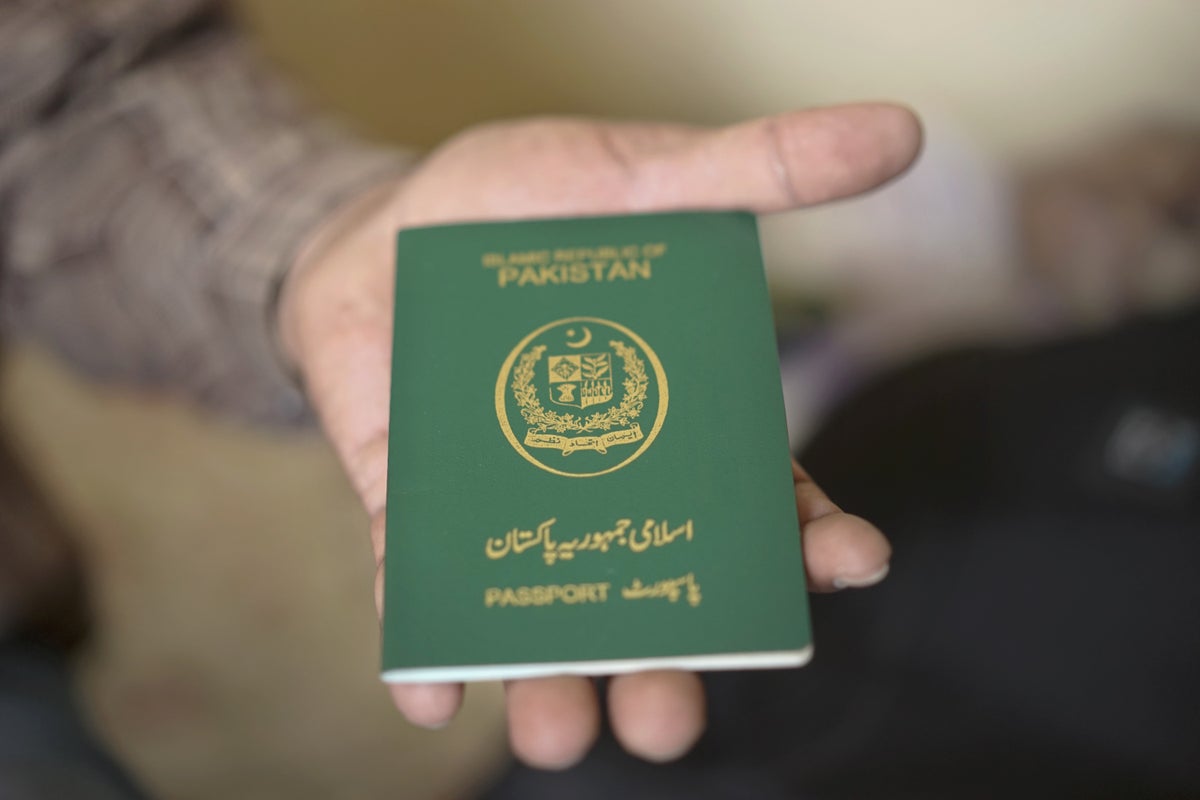
Donald Trump’s push to expand the Abraham Accords and persuade more countries to recognise Israel could create an unexpected bureaucratic headache for Pakistan and a handful of other nations whose passports currently bar citizens from travelling to Israel.
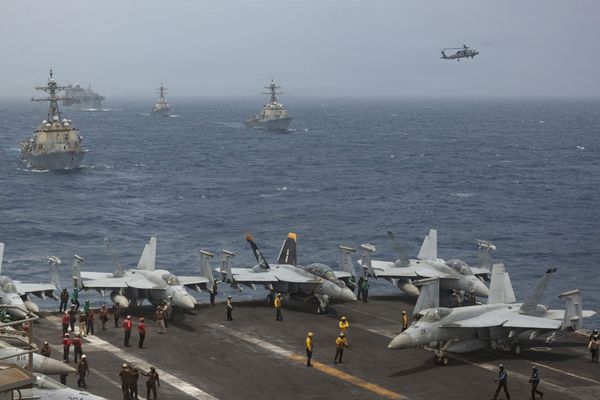
The US president on Monday tied a ceasefire in his three-month-long war on Iran to a requirement for more Muslim countries to formally recognising the Abraham Accords, the US-brokered agreements from Mr Trump's first term aimed at normalising diplomatic and economic relations with Israel.
Mr Trump said he spoke to the leaders of several Middle Eastern and South Asian countries and told them that it could be “mandatory” for them to sign the Abraham Accords and recognise Israel as part of a likely peace agreement with Iran.
He said the countries include Saudi Arabia, the United Arab Emirates, Qatar, Pakistan, Turkey, Egypt, Jordan and Bahrain.
If Mr Trump insists on this point it would be particularly problematic for Pakistan, which has risen to a prominent role as peace broker between Iran and the US.
Islamabad has already categorically rejected the idea of joining the Abraham Accords, as have Saudi Arabia and Qatar, which host US bases and have come under Iranian missile fire.
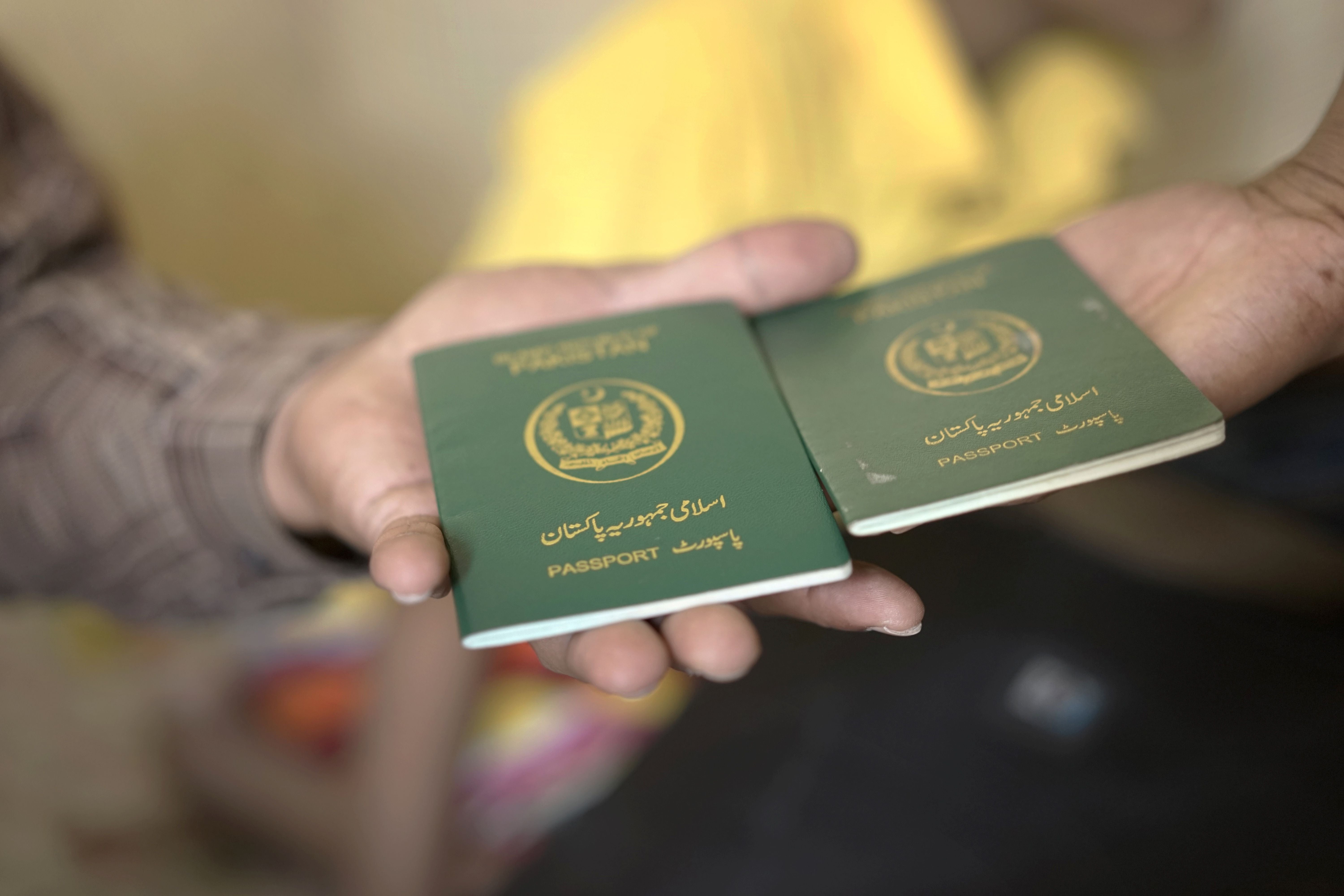
Joining the Abraham Accords would require Pakistan to begin the process of formally establishing diplomatic ties with Israel – but it would also have implications for all passports carried by ordinary Pakistani citizens.
This is because Pakistan’s passports currently contain an explicit statement excluding Israel from travel.
They read: “This passport is valid for all countries of the world except Israel.” This footnote is prominently printed on the validity page of the document.
It serves as both a practical travel restriction and a powerful symbol of Pakistan’s long-standing foreign policy, which does not recognise Israel, a position it has maintained since its own independence in 1947.
Pakistan is among a handful of countries which maintain a blanket travel ban on their citizens from travelling to Israel.
Passports issued by Malaysia, Bangladesh and Libya also carry similar footnotes.
Mr Trump has warned that if any of the named countries refuse to join the accords, they “should not be part of this Deal" because it would demonstrate “bad intention". It throws Pakistan’s role as a mediator – and the prospect of future Islamabad-based peace talks – into question.
The United Arab Emirates and Bahrain signed the accords during Mr Trump's first term in 2020, becoming the first Arab states to recognise Israel in a quarter of a century.
Morocco and Sudan followed suit. Mr Trump claimed in his Truth Social post that countries had experienced a “Financial, Economic, and Social BOOM” as a result of signing, without providing details.
“The reason for this is that the Abraham Accords have been great for them, and will be even better for everybody, and bring true Power, Strength, and Peace to the Middle East for the first time in 5,000 years,” he added.
Pakistan does not have diplomatic ties Israel and successive governments have maintained that formal ties will not be considered until a just resolution is reached for Palestinians. Pakistan calls for the creation of an independent Palestinian state with East Jerusalem as its capital and voted against the partition plan for Palestine via the United Nations Special Committee on Palestine.
The accords are a series of diplomatic, economic and security agreements created with US influence during Mr Trump's first term, originally between Israel and the United Arab Emirates and Bahrain, followed by Sudan, Morocco, and, more recently, Kazakhstan.
They were framed as an effort to promote cooperation among countries in the Middle East and North Africa, and the administration saw them as partly paving a path toward full ties with Israel.
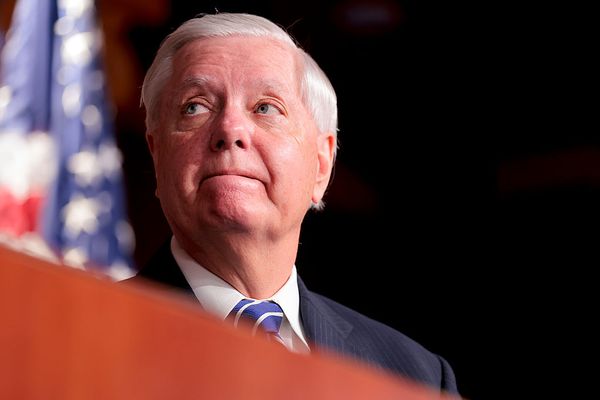
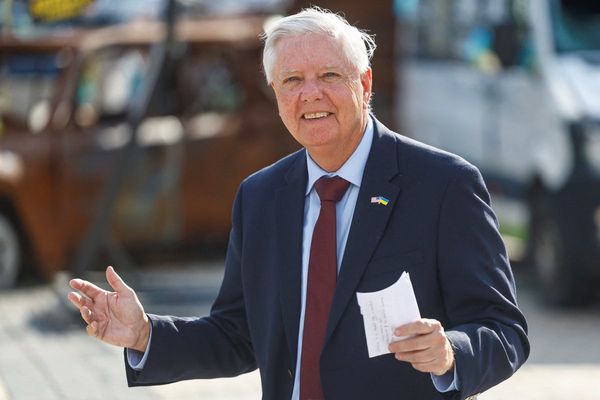
Senator Lindsey Graham, who was a leading force in Congress for the expansion of the Abraham Accords, questioned Pakistan’s role as a mediator after Mr Trump’s latest push.
“It has been apparent to me for quite a while that Pakistan as a mediator is more than problematic. Their animosity towards Israel is long-standing,” he said on X.
“As to the defence minister’s comments about the Abraham Accords, saying that Pakistan would never join because they don’t trust Israel: The clip may be a year old, but I fear the sentiment is fresh,” he added.
If Pakistan recognises Israel, the “except Israel” clause would contradict government policy.
Authorities would then have several options, including the issuance of a completely redesigned passport, amending existing passports through endorsements or stamps, or gradually phasing out old passports during renewals.
But because passports are machine-readable, internationally standardised documents tied to immigration databases, the cleanest solution would likely be printing new versions altogether.