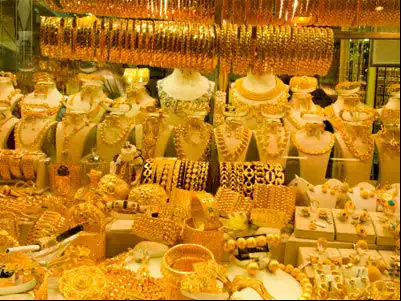
India’s gold and jewelry ecosystem is entering a pivotal phase, shaped by strong structural demand, rapid formalization, and evolving policy dynamics. While elevated gold prices have raised affordability concerns, demand resilience and a shift in consumer behavior continue to reinforce the sector’s long-term relevance.
The recent increase in the effective tax burden on gold imports to nearly 18% has introduced a fresh layer of uncertainty for the sector. While the move is intended to manage external balances and regulate precious metal imports, it may temporarily widen the arbitrage between formal and unofficial channels. However, the industry’s formalization journey over the past decade provides a stronger foundation than in prior cycles, potentially limiting the extent of disruption.
Demand fundamentals remain encouraging despite record-high gold prices. Indian consumers have historically responded more to price stability than to absolute price levels, often postponing purchases during volatile phases rather than abandoning demand altogether. Wedding-related buying continues to provide a strong demand anchor, contributing close to 60% of jewelry consumption and lending resilience to the category.
Consumer behavior is also becoming more sophisticated. Rising demand for bars and coins highlights a growing preference to treat gold first as an investment asset and later as a consumption product, particularly among younger households. Even where jewelry volumes have moderated, higher realizations have supported overall value growth, reflecting gold’s enduring role as a trusted savings vehicle.
A significant structural opportunity lies in the rapid shift toward organized retail. India’s highly fragmented jewelry market is steadily consolidating as consumers increasingly prioritize purity assurance, transparent pricing, and trusted purchase experiences. Organized retail penetration has expanded materially over the past five years, suggesting substantial headroom for continued market share gains as compliance standards tighten.
Global macro conditions also remain supportive. Continued central bank gold purchases, rising concerns around sovereign debt, geopolitical uncertainty, and reserve diversification trends are reinforcing gold’s strategic importance as a long-term store of value.
Technology could further accelerate this transformation. Blockchain-led traceability, tokenization, and digital ownership infrastructure are expected to improve transparency, accessibility, and liquidity, potentially expanding gold’s role within the broader financial ecosystem.
Looking ahead, the medium-term investment narrative remains constructive. Formalization, digital integration, monetization of idle household gold, and the potential development of India as a larger participant in the global gold value chain together point toward a structurally stronger ecosystem. While policy execution will remain critical, the sector’s long-term growth trajectory appears intact.
Titan TP- 5300
Titan's long-term story is built on Tanishq's unassailable brand moat in India's fast-formalizing jewellery market — superior sourcing, studded ratio, and youth-centric positioning create a compounding competitive edge. Management's medium-term aspiration of 15-20% CAGR is underpinned by industry formalization, rising consumer acceptance of gold as both adornment and investment, and scaling of CaratLane and watches. 4QFY26 delivered robust 81% YoY revenue growth, with standalone jewellery EBIT (ex-bullion) up 29% YoY — domestic brands posted 50% LFL growth despite record-high gold prices. Consolidated PAT missed estimates due to a GCC (Gulf Cooperation Council) international business loss and CaratLane margin pressure from an ERP transition. FY26 saw revenue/EBITDA/PAT grow 45%/34%/37% YoY. Outlook remains constructive — gold price stabilization would provide a meaningful margin tailwind while buyer growth has already rebounded. We model sales/EBITDA/PAT CAGR of ~15%/20%/24% over FY26–28, with EBITDA margins of ~10%/10.4% for FY27/FY28.
(The author is Siddhartha Khemka, Head – Research, Wealth Management, Motilal Oswal Financial Services Ltd.)
(Disclaimer: Recommendations, suggestions, views, and opinions given by experts are their own. These do not represent the views of the Economic Times)
For more news like this visit The Economic Times.