

The imagery of Valentine’s Day is recognised the world over. Hearts, flowers and happy couples are all well-trodden territory for brands looking to gain more exposure around this multimillion-pound celebration of love. Just as love is for everyone, celebrating the diversity that is humankind is working well for retailers and brands as we increasingly see consumers responding more readily to images and subject matter that are intriguing and different.
Humans tend to hold on to fixed, oversimplified ideas of love. We find romantic love at the heart of classic texts and fairytales, which can also be highly visualised. The heart has represented this powerful feeling since ancient times and was believed to be the centre of all emotions. Love is the strongest emotion of them all. While Valentine’s Day is today synonymous with cards, flowers and chocolates, it’s the heart-shape visual that is universally recognised.
Romantic love has the most visual clichés associated with it in the form of scenarios: proffering red roses; drinking champagne; sharing food, hugs and kisses; exchanging presents; offering chocolate, a ring or other jewellery. The list goes on. But this Valentine’s Day, it’s time to kill the cliché, break stereotypes and give a new vision to what love means to us in today’s world. It’s an approach being taken by a number of brands that are using visual imagery to tell deeper, more relevant and compelling stories.
Real-life couples
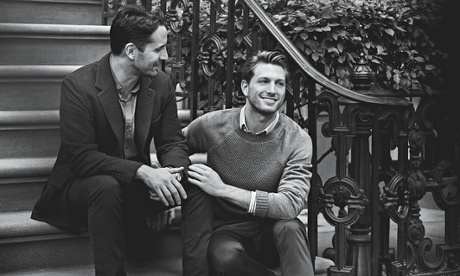
One example that has attracted a lot of attention in the media is Tiffany & Co, the 180-year-old jewellery brand that recently launched a new campaign that featured real-life couples who have popped the question. Where many jewellery brands fall back on the familiar visual tropes of romantic love, Tiffany & Co chose instead to celebrate the diversity that exists in the modern world through the inclusion of a same-sex couple and couples of different ethnicities.
By using some real-life couples in the campaign, the brand creates a far more touching and intimate story. It also reflects the visual trend where love is represented as a universal feeling that transcends communities, backgrounds and sexual orientations. This is real love in all its shapes and forms.
Subtle and authentic
Human connection is underpinned by love. It’s an intimate bond between friends, family or lovers. Much like the example above, retail brand & Other Stories recently chose to explore the relationship between two real people – fashion models Eden Clark and Lizzie Tovell – through a series of romantic and subtle self portraits.
The campaign offers not only an opportunity for the brand to exhibit its latest range, but also demonstrates an unexpected and more authentic emotion between two real-life people.
The camera phone generation
The changing visual imagery representing love has roots in the internet. Access to digital channels has enabled a new kind of global visual literacy that surpasses borders and continents. With camera phones set to outnumber humans any time now, the volume of images that are shot, edited and shared every day is of prodigious proportions. A number of brands are tapping into digital imaging trends such as the selfie around Valentine’s Day as they look to embrace love in all its forms.
For example, McDonald’s has just launched its #paywithlovin campaign in the US and is gaining a lot of traction with target consumers. The idea behind the campaign is that customers can pay with selfies depicting love rather than money for a two-week period. From displays of friendship and dancing couples through to the kiss reinvented, the brand captures the minds of its audience at this calendar event, appreciating the many different types of love – not just romance.
While many visual clichés continue to exist around this time of year, brands that dare to be different and break the homogeneity of images really stand out from the crowd. Our universal experience of love in all its forms sees imagery steadily becoming more modern, inclusive and diverse. Brands that choose imagery that reflects modern consumer attitudes, tastes and notions of love are set to reap the rewards.
Top Valentine’s Day visuals from around the globe
- Lastminute.com’s #lustminute campaign: a campaign that takes full advantage of sensual imagery of suggestive sculpture, food and landmarks from around Europe.
- Samsung’s #lovenote campaign: a social campaign that allows consumers to create their own funky love notes on its Galaxy Note device.
- IKEA’s Borje chair poster ad: a cheeky and anthropomorphic take on Valentine’s Day couples with the iconic Borje chair replacing the humans.
Rebecca Swift is director of creative planning at iStock by Getty Images
To get weekly news analysis, job alerts and event notifications direct to your inbox, sign up free for Media Network membership.
All Guardian Media Network content is editorially independent except for pieces labelled “Brought to you by” – find out more here.








.jpg?w=600)



