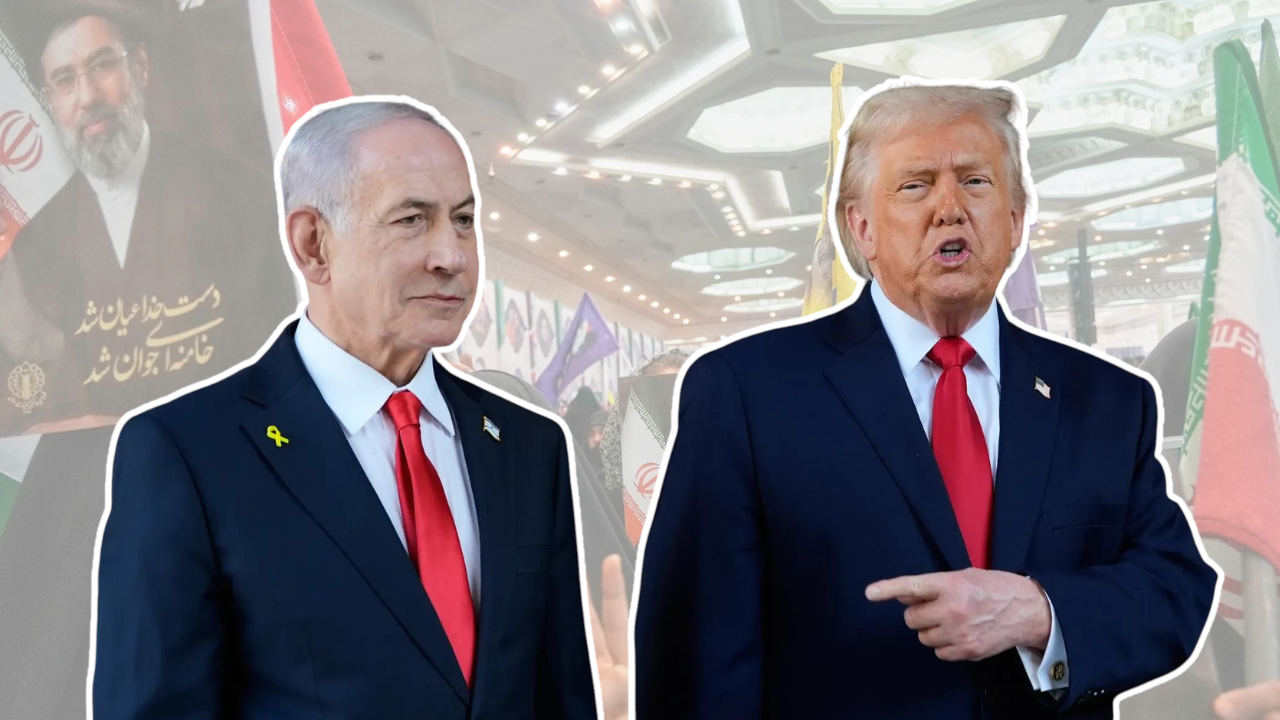
Israeli Prime Minister Benjamin Netanyahu may have emerged from the Iran war claiming military successes, but a pending US-Iran peace deal threatens to leave him politically and strategically weakened. As negotiations between Washington and Tehran move closer to a breakthrough, the gap between Netanyahu's objectives and those of US President Donald Trump has become increasingly visible.
Get breaking news anytime, anywhere. Download the TOI app now!
According to multiple reports, Trump informed Netanyahu this week that he expected to finalise an agreement with Iran within days. "This is the deal. It's a great deal, and it's time to end this war," Trump reportedly told the Israeli leader, as quoted by Axios.
For Netanyahu, the prospect of a deal carries significant risks. He entered the war hoping not only to weaken Iran's military capabilities but also to create conditions that could eventually destabilise the regime in Tehran. Instead, negotiations now appear focused on ending hostilities, reopening the Strait of Hormuz and preventing further economic disruption. With Israeli elections approaching, critics argue that Netanyahu could be forced to accept an outcome that falls far short of his stated war aims.
A peace deal built around Trump's priorities
The clearest source of tension is the differing priorities of Washington and Jerusalem. As the conflict dragged on and Iran's closure of the Strait of Hormuz disrupted global energy markets, Trump's focus shifted towards restoring stability and reducing economic pressure at home.
The White House increasingly views reopening the vital shipping route as the immediate objective. Any broader discussions over Iran's nuclear programme are expected to follow in later stages. Netanyahu, however, has consistently argued that the war should end only after Iran's nuclear infrastructure is dismantled, its enriched uranium stockpiles removed and its missile capabilities significantly curtailed.
Israeli officials fear the proposed framework may allow Iran to retain much of its nuclear capacity while gaining economic relief through sanctions easing and renewed oil exports. Privately, they worry Tehran could use a ceasefire to rebuild its economy and strengthen its position without making irreversible concessions.
Those concerns have been amplified by reports that Israel has largely been excluded from the negotiations. Reuters reported that Netanyahu has privately acknowledged that Israel currently has limited ability to shape Trump's decisions, telling confidants that Jerusalem has "no manoeuvre to influence the president right now".
Lebanon becomes another point of conflict
The emerging agreement could also restrict Israel's freedom of action beyond Iran. Tehran has reportedly insisted that calm in Lebanon be part of any broader regional settlement, a condition that Washington appears willing to accommodate.
That creates another challenge for Netanyahu. Israel remains engaged in regular exchanges with Hezbollah and continues to view the group as a major security threat. Israeli officials fear the Trump administration could demand consultation before future strikes or seek limits on military operations in Lebanon.
Trump has already publicly urged restraint. Following Israeli strikes in Beirut and subsequent Iranian retaliation, the US president made clear he wanted to avoid actions that could derail negotiations. "I call all the shots," not Netanyahu, Trump told the Financial Times, underscoring who now holds the upper hand in the relationship.
Political fallout ahead of elections
The timing could hardly be worse for Netanyahu. He has long presented himself as the Israeli leader best placed to manage relations with Washington while guaranteeing national security. The prospect of ending the war without achieving regime change, dismantling Iran's nuclear programme or neutralising Hezbollah threatens that image.
Opponents have already accused him of allowing Israel to become overly dependent on American decisions. Some critics argue he is being forced to accept terms dictated by Washington rather than shaping events himself.
While Netanyahu continues to publicly praise Trump and insist their shared goal remains preventing a nuclear-armed Iran, the pending agreement risks exposing the limits of Israeli influence. If the deal is signed in its current form, Trump may be able to claim a diplomatic victory. Netanyahu, however, could face difficult questions from voters about whether the war achieved what he promised.