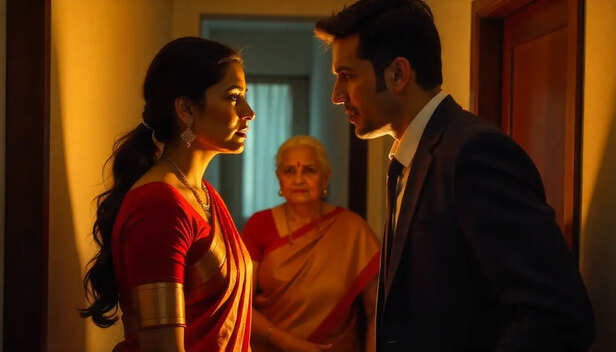
That is why more people today are questioning this tradition and asking why only women are expected to leave their parents after marriage.
1. Girls Are Raised With The Idea That They Will Leave

Many girls grow up hearing things like “one day you will go to another house” or “this is not your real home.” Boys rarely hear that.
From a young age, daughters are often raised with the idea that they are temporary members of their own family. This thinking has existed for generations because Indian society traditionally followed a system where women moved into the husband’s home after marriage. Over time, it became so normal that very few people stopped to question it.
2. Sons Are Still Seen As The Family’s Main Support
In many homes, sons are still seen as the people who will take care of parents in old age, inherit the house, and carry the family name forward. Daughters, meanwhile, are often treated like they will eventually belong somewhere else.
That is one of the biggest reasons why parents become emotionally and financially more attached to sons. Even today, many families assume that a daughter’s first responsibility after marriage is towards her husband’s family, not her own parents.
3. Marriage Changes More For Women Than Men
A man may get married and continue living in the same house, working in the same city, and spending time with his parents as before. But for women, marriage often changes almost everything at once.
A woman may have to adjust to a new home, new city, new family, new routines, and new expectations. On top of that, she is also expected to manage emotional responsibilities on both sides. This is one reason many women feel that marriage demands much more sacrifice from them than from men.
4. Women Still Carry Most Of The Care Work
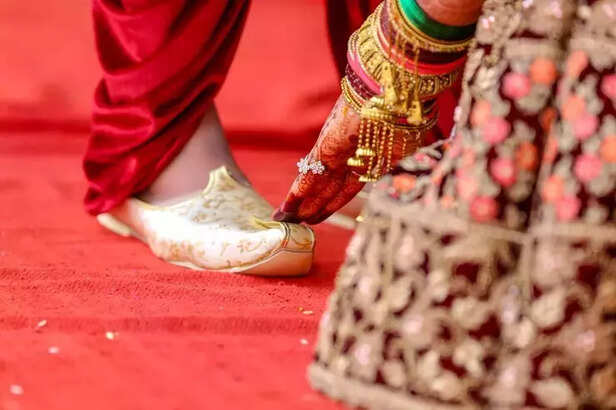
Even when women work full time, they are still expected to take care of cooking, cleaning, children, elderly parents, and emotional responsibilities inside the house.
Data continues to show that women spend far more time than men on unpaid domestic and caregiving work. In India, women between 15 and 59 spend more than seven hours every day on unpaid household work, while men spend less than three.
5. The Law Now Gives Daughters Equal Rights
The good thing is that the law has changed a lot, even if social thinking has not.
Under the Hindu Succession Act, daughters have the same rights as sons in their father’s property, whether they are married or unmarried. Marriage does not take away a daughter’s legal right to her family, inheritance, or property. Courts have repeatedly said that daughters remain equal members of the family even after marriage.
6. Marriage Should Add A Family, Not Replace One
The biggest issue with this tradition is that it makes women feel like they have to choose between two families.
But a daughter does not stop being a daughter after marriage. She still worries about her parents, wants to care for them, and remains emotionally connected to them. Marriage should not mean leaving one family behind completely. It should mean gaining another family while still keeping your own.
And maybe that is the real question modern India should ask: if sons are never expected to leave their parents after marriage, why are daughters still expected to?