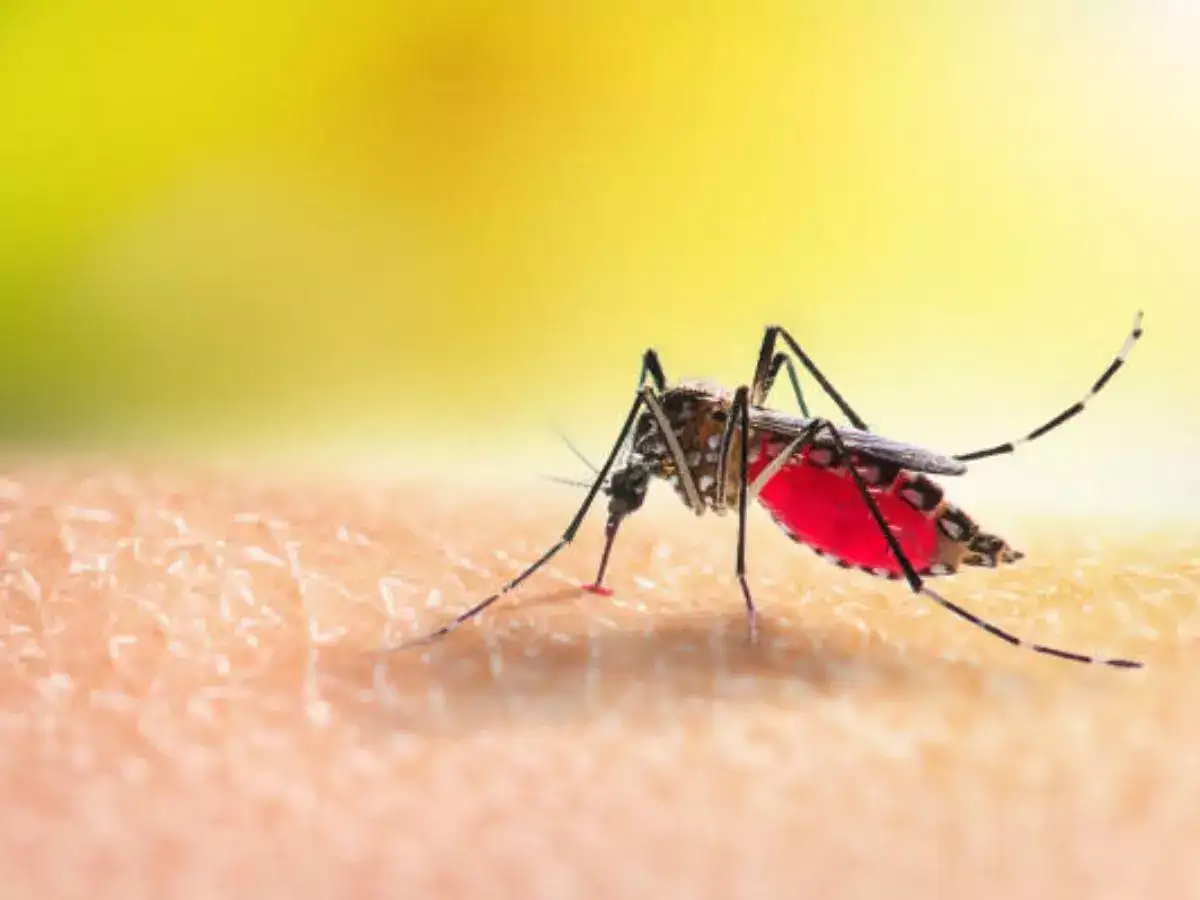
People often wonder why some walk away bite-free while others are left scratching all night, and the answer lies in your smell, not your blood type. If you've ever sat next to a friend at a garden party and ended up with a dozen bites while they got none, you already know the feeling: mosquitoes clearly play favourites. For years, the go-to explanation was "sweet blood" or a particular blood group. Turns out, that's mostly folklore.
The Blood Type Myth, Busted
Researchers who study mosquito behaviour say there's no solid evidence that mosquitoes hunt down specific blood groups. A French entomologist, who has spent years studying disease-carrying mosquitoes, has said blood type theories rest on shaky ground , the handful of studies behind the idea involved too few people to draw real conclusions. Skin tone, eye colour or hair colour don't matter either, despite what your grandmother might insist.
So if it's not blood type, what is it? It's All About Your Personal "Odour Cocktail"
The real answer is smell, and a very specific kind of smell. The human body constantly releases hundreds of odorous compounds through sweat and skin bacteria, somewhere between 300 and 1,000 different chemicals in total. Mosquitoes don't need to sense all of them. A recent study out of Sweden found that mosquitoes actually key in on a particular blend of around two dozen of these compounds to decide who's worth biting.
This " odour cocktail " is shaped by your skin's microbiome — the community of bacteria living on your skin — which is unique to every person, a bit like a fingerprint. Some people's bacterial mix produces a scent mosquitoes find irresistible. Others produce compounds that seem to actively repel them. That's the real reason your friend stays bite-free at the same barbecue where you're getting eaten alive.
Body heat and the carbon dioxide you exhale add to the invitation. Mosquitoes are expert CO2-trackers, it's one of the first signals that tells them a warm-blooded meal is nearby. People with higher metabolic rates, larger body size, or who are simply breathing harder (after exercise, for instance) tend to exhale more CO2 and run warmer, making them easier targets to find in the first place.
Yes, That Beer Might Be Making You a Target
Here's one for the monsoon get-togethers: multiple studies now suggest alcohol makes you more attractive to mosquitoes. In a large Dutch trial where hundreds of volunteers put their arms into cages of mosquitoes, those who'd had a beer in the past 24 hours were over a third more likely to be bitten than those who hadn't. Scientists believe alcohol raises body temperature and changes the composition of sweat, both of which seem to work in the insect's favour.
A separate music-festival study, conducted, fittingly, in a lab built out of shipping containers at a European festival — went even further, testing how sweat, noise and intoxication together shape a person's appeal to mosquitoes over a chaotic three-day event.
Other Everyday Factors That Matter
Clothing colour: Mosquitoes rely heavily on vision at close range, and darker shades, black, red, orange,tend to make it easier for them to spot you against the background.
Pregnancy: Pregnant women tend to run slightly warmer and exhale more CO2, which some research links to increased mosquito attraction.
Genetics: Studies on twins suggest a meaningful chunk of mosquito attractiveness is inherited — so if you're a "mosquito magnet," you may be able to blame your parents, quite literally.
Why This Matters More Than Ever
This isn't just trivia for a rainy evenings. With vector-borne diseases surging, and warming temperatures helping mosquito species expand into newer regions, understanding exactly what draws mosquitoes to certain people has become a genuine public health priority. If scientists can isolate the precise chemical signals mosquitoes respond to, it opens the door to smarter repellents and traps that target host-seeking behaviour directly, rather than the trial-and-error creams and coils most households rely on today.
What You Can Actually Do About It
Until science delivers that breakthrough, experts suggest a few practical steps:
- Go easy on the alcohol during outdoor evenings, especially near dusk when mosquitoes are most active.
- Choose light-coloured clothing when stepping out for walks or gatherings.
- Use a proper DEET or picaridin-based repellent rather than relying on natural remedies alone.
- Keep stagnant water, the breeding ground for mosquitoes, cleared from around your home, a step that matters far more in India's monsoon-heavy climate than any personal habit.
So the next time someone jokes that mosquitoes simply "love" you, you can tell them it's not sweet blood — it's your own unique cocktail of skin bacteria, sweat, warmth and maybe last night's drink, all broadcasting a signal these tiny, ancient hunters are remarkably good at picking up.