
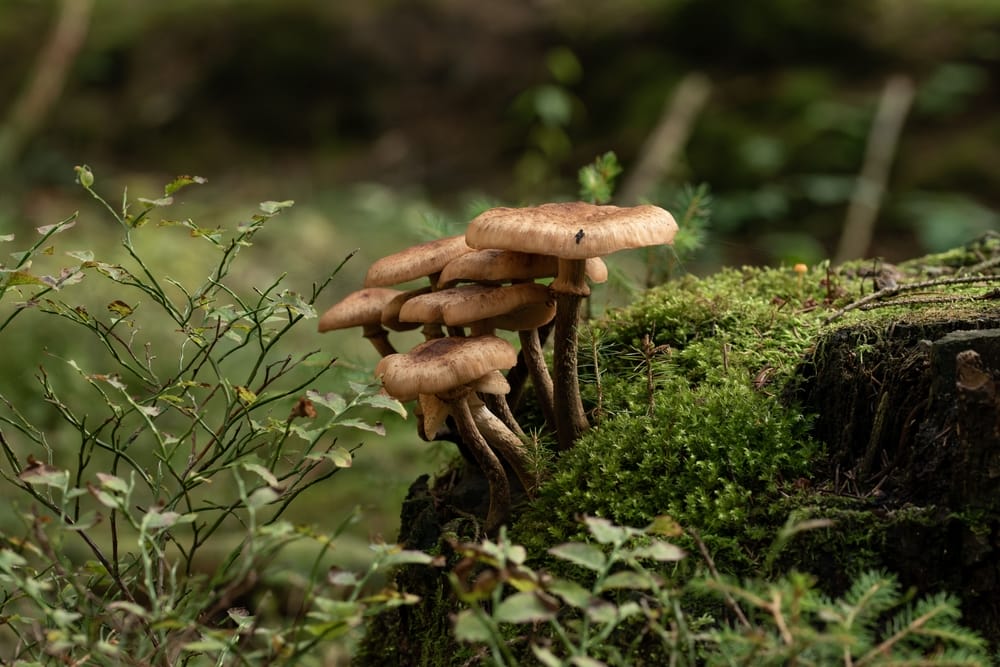
There’s something magical about stepping outside at dawn and seeing your garden wrapped in a cool, silvery blanket of fog. The world feels softer, quieter, almost secretive—as if nature is whispering to itself before everyone else wakes up. But beneath that calm, mysterious morning haze, something very busy is happening in your soil.
While you’re stretching, sipping coffee, or trying to remember where you left your shoes, your garden fungi are waking up like they’ve won the hydration lottery. That gentle fog you barely notice? It might just be one of the most powerful fungal fertilizers nature ever invented.
How Fog Creates A Perfect Moisture Balance
Morning fog delivers moisture differently than rain or watering, creating an ideal microclimate for fungi. Instead of soaking the soil all at once, fog settles slowly and evenly, allowing fungal networks to absorb water gradually. This gentle hydration prevents shock and supports delicate mycelial strands that can collapse under heavy rain. The fine droplets cling to leaves, mulch, and soil surfaces, giving fungi consistent access to moisture they need for growth. It’s like a spa mist treatment, but for the underground world that keeps your plants thriving.
Why Fungi Thrive On Low-Light Conditions
Fog doesn’t just bring moisture—it brings shade. Fungi love environments where sunlight is filtered, diffused, or temporarily softened, making fog-covered mornings their favorite time of day. Without harsh UV rays breaking down organic matter too quickly, fungi have better control over decomposition. This slower breakdown gives them more time to feed, expand, and transport nutrients across your garden. In these cooler, dimmer hours, fungi can work without competition from sun-loving bacteria that dominate later in the day.
Fog Encourages The Expansion Of Mycelial Networks
Beneath your feet, fungal networks are constantly growing, stretching, and connecting like nature’s underground internet. Fog gives these networks the moisture they need to expand into new soil spaces without drying out at the tips. Healthy mycelial expansion helps fungi reach more nutrients and build stronger symbiotic relationships with plant roots. When these networks grow wide and strong, your garden becomes more resilient to drought and nutrient deficiencies. Morning fog acts as a gentle green light, telling fungi: “Go ahead—spread out, explore, and grow.”
The Role Of Fog In Decomposition And Nutrient Cycling
Fungi are nature’s cleanup crew, breaking down fallen leaves, old mulch, and dead roots into nutrient-rich soil. Fog speeds up this decomposition cycle by keeping organic material damp but not waterlogged. Moist debris is easier for fungi to digest, allowing them to release nutrients more efficiently. As fungi work, they enrich the soil with compounds that improve plant health, balance pH, and support beneficial microbes. In short, fog doesn’t just help fungi grow—it helps fungi feed your entire garden.
How Fog Supports Symbiotic Plant Relationships
Many plants rely on specific fungi, especially mycorrhizal species, to deliver nutrients like phosphorus and nitrogen directly to their roots. These relationships flourish when fungi have consistent moisture and mild temperatures. Foggy mornings provide exactly that, creating ideal conditions for fungal hyphae to extend and bond with plant root systems. Once connected, fungi help plants absorb nutrients more efficiently while receiving carbon-rich sugars in return. With fog boosting fungal health, your plants enjoy a quiet but powerful growth advantage.
Why Fog Prevents Soil From Drying Too Quickly
As the sun rises and the day warms, soil moisture can evaporate rapidly—unless fog steps in first. The thin layer of condensation left behind by fog acts as a temporary shield, slowing water loss and keeping the soil surface cooler. This gives fungi more time to absorb water and distribute it through their networks before conditions become dry. Gardens in fog-prone areas often have healthier fungal populations simply because their soil stays hydrated longer. Think of fog as a morning insurance policy for your garden’s underground life.
The Surprising Role Fog Plays In Mulch Health
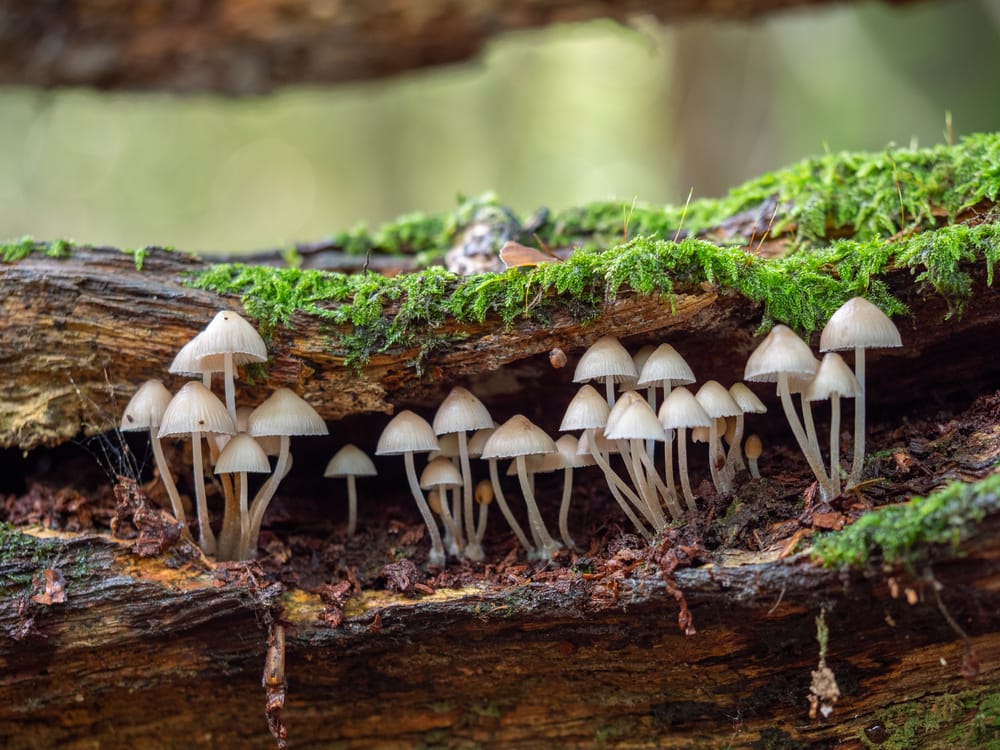
Mulch isn’t just about weed control—it’s a fungal playground. Fog coats mulch with moisture that wakes up fungi living on wood chips, leaves, or bark. These fungi then begin breaking down the mulch more efficiently, turning it into rich, dark humus that improves soil structure. A healthy layer of fog-moistened mulch also attracts earthworms, which work alongside fungi to aerate the soil naturally. When fog and mulch team up, your garden enters a perfect cycle of nourishment and renewal.
Fog Helps Balance Garden Microclimates
Gardens aren’t uniform—every corner has its own temperature, moisture level, and sun exposure. Fog helps even out these microclimates, reducing extreme differences that can stress fungi. This subtle stabilizing effect allows fungal communities to spread more evenly across your garden. When fungi thrive throughout the landscape, plants receive more consistent access to nutrients and beneficial microorganisms. Fog isn’t just moisture; it’s a morning reset button for your entire ecosystem.
Why Foggy Mornings Reduce Fungal Stress
Just like animals and plants, fungi experience stress when conditions change too quickly or become too harsh. Rapid temperature shifts, dry air, and intense sunlight can damage delicate hyphae and slow nutrient transport. Fog acts as a protective buffer, lowering stress by keeping the environment cool and humid during the transition from night to day. This gentle start supports fungal health throughout the rest of the morning and early afternoon. Healthy fungi mean healthier plants, and healthier plants mean a happier gardener.
A Morning Gift That Gardens Quietly Celebrate
Morning fog might seem simple, subtle, and easy to overlook, but your garden fungi know better. They thrive in the moist, cool, low-light environment that fog brings, turning those quiet dawn hours into some of the most productive moments of the day. When fog helps fungi flourish, your soil becomes richer, your plants become stronger, and your entire garden becomes more resilient.
What about your yard—have you noticed more mushrooms or richer soil after foggy mornings? Share your stories, observations, or gardening tips in the comments below!
You May Also Like…
How Fungi Network Stronger in Autumn Soils
Why Stopping Lawn Care Too Early Could Invite Pests and Fungus
The Role of Fungi in Breaking Down Fall Leaves
11 Tips for Saving Seeds Before Winter
Why Overseeding Too Late Can Backfire on Your Lawn
The post Why Morning Fog Can Boost Garden Fungi appeared first on Frugal Gardening.