
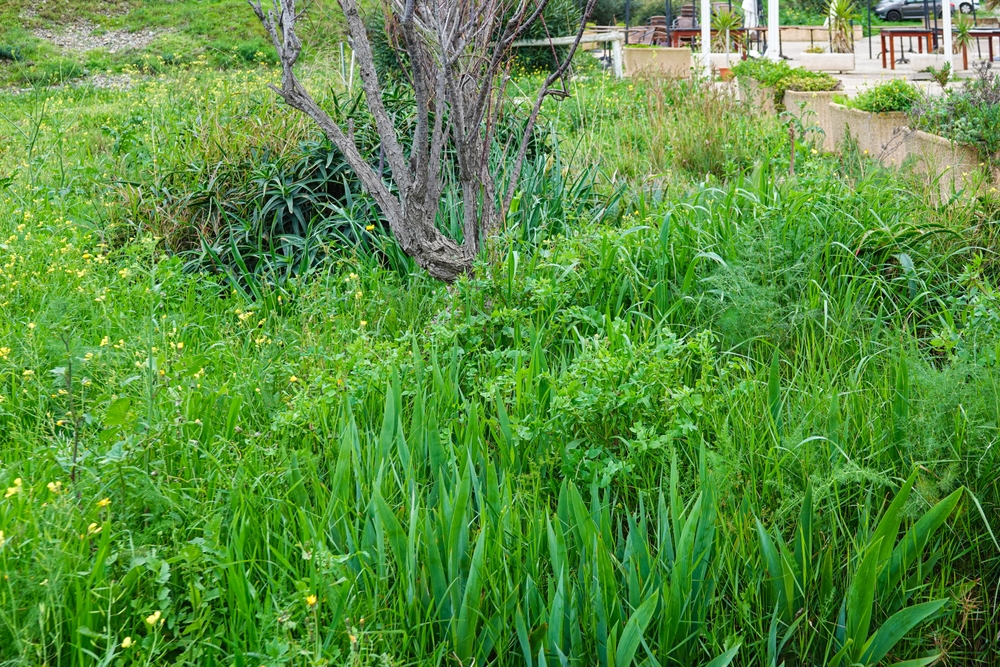
Front lawns across the country are quietly changing their personalities. Perfectly trimmed grass no longer dominates every suburban block, and a wilder, more relaxed style keeps popping up instead. Homeowners now replace high-maintenance turf with plants that grow freely, support wildlife, and add natural texture to outdoor spaces. This shift reflects a growing desire for yards that work with nature instead of fighting against it. The result brings less mowing, fewer chemicals, and more life buzzing right outside the front door.
A no-mow yard does not mean a neglected yard. It means a planned space designed to grow with intention while requiring far less weekly effort. Many homeowners now rethink the traditional idea that a lawn must look like a golf course. Instead, they embrace clover, native grasses, flowering ground covers, and meadow-style plantings.
Why No-Mow Yards Are Gaining Attention
Homeowners increasingly feel tired of constant mowing schedules that eat up weekends. Traditional lawns demand frequent trimming, watering, fertilizing, and weed control, which creates a cycle of ongoing chores. Many people now prefer to spend that time on activities that feel more meaningful or relaxing. A no-mow yard offers a break from that routine while still keeping outdoor spaces attractive. This shift also reflects a broader interest in simpler, lower-effort living.
Climate concerns also push this trend forward in many communities. Grass lawns often require heavy water use and chemical treatments that strain local resources. No-mow designs reduce those demands by using hardy plants that adapt to local conditions. Homeowners notice that these landscapes often hold up better during dry spells or unpredictable weather. That resilience makes them appealing for long-term planning.
Neighborhood aesthetics also play a surprising role in this movement. Many people now appreciate a softer, more natural look instead of rigid uniformity. Local pollinators and birds add movement and sound that traditional lawns rarely support. This livelier environment makes outdoor spaces feel more like mini ecosystems. Over time, more residents start viewing these yards as beautiful rather than unusual.
Social influence also drives curiosity about lawn alternatives. Garden tours, social media, and community groups highlight creative yard transformations. People see clover lawns, wildflower borders, and native plant patches that look both intentional and inviting. That exposure encourages experimentation on smaller sections of property before committing fully. As more neighbors try it, acceptance continues to grow.
The Wild Beauty And Wildlife Benefits
A no-mow yard introduces a surprising level of natural beauty that changes throughout the seasons. Spring often brings bursts of flowers that attract bees, butterflies, and hummingbirds. Summer layers different shades of green and gold as grasses and ground covers shift in height and texture. Fall adds warm tones that feel rich and dynamic without any need for replanting. Winter still offers structure through seed heads and dormant grasses that stand tall against frost.
Wildlife responds quickly to these changes in plant structure. Birds find seeds and shelter in areas that traditional lawns never provide. Pollinators benefit from continuous food sources instead of isolated blooms. Even beneficial insects settle into these spaces, helping create a more balanced outdoor environment. This interaction turns a yard into a living habitat instead of a static green carpet.
Homeowners often notice a reduction in pests that typically target manicured lawns. Natural plant diversity supports predator insects that help manage unwanted species. This balance reduces the need for chemical treatments and frequent interventions. The yard begins to regulate itself in ways that surprise many new adopters. Over time, this self-supporting system becomes one of the biggest rewards.
Outdoor living also feels different in these spaces. The soft movement of grasses and flowers adds a calming atmosphere that invites people outside more often. Patios and walkways blend into the landscape instead of sitting next to a rigid lawn edge. This design creates a more immersive experience that feels closer to nature. Many families end up using their yards more once they make the switch.
How Homeowners Design A No-Mow Space
Successful no-mow yards start with smart plant selection. Homeowners often choose native grasses, clover, creeping thyme, or low-growing wildflowers that match local conditions. These plants require less water and naturally resist local pests and diseases. Careful planning helps prevent overly aggressive growth in unwanted directions. The goal focuses on balance rather than total wildness.
Designers often recommend creating defined zones to keep the yard visually appealing. Walkways, stone borders, or mowed edges help guide the eye and maintain structure. These features prevent the yard from looking chaotic while still allowing plants to grow freely. Many people also layer heights by mixing ground covers with taller grasses or flowers. That approach adds depth and keeps the space visually engaging.
Soil preparation plays a major role in long-term success. Healthy soil supports stronger root systems that reduce the need for frequent watering. Many homeowners add compost or organic matter before planting to boost fertility. Once established, these plantings require far less intervention than traditional turf. That early effort pays off in reduced maintenance later.
Maintenance still exists, but it looks different from traditional lawn care. Occasional trimming along paths keeps the space accessible and tidy. Seasonal cleanup helps manage plant cycles and encourages fresh growth. Instead of weekly mowing, homeowners shift to light, strategic care. That change creates a more flexible relationship with outdoor upkeep.
Common Mistakes And Smart Maintenance Shifts
Many homeowners rush into no-mow conversions without planning plant placement carefully. That mistake leads to overcrowding or uneven growth that looks messy instead of intentional. Smart designs start with clear goals for appearance and function. Some areas may still need low mowing while others transition fully to natural growth. This mix creates structure while allowing freedom.
Another common issue comes from choosing the wrong plant varieties for the region. Non-native species often struggle or spread unpredictably, which creates extra work. Native plants usually perform better because they match local soil and climate conditions. Homeowners who research their region’s plant palette avoid many early frustrations. That knowledge sets the foundation for long-term success.
A successful no-mow yard ultimately depends on patience and observation. Plants need time to establish before they show their full potential. Early stages may look uneven, but structure develops naturally with the seasons. Homeowners who stick with the process often end up with resilient, low-effort landscapes that feel both practical and beautiful.
A Shift Toward Easier, Wilder Yards That Work With Nature
No-mow yards signal a growing shift toward landscapes that respect time, resources, and local ecosystems. Homeowners gain more freedom while still maintaining attractive outdoor spaces that feel alive and dynamic. This approach replaces constant upkeep with thoughtful design and seasonal care. The yard becomes less of a chore and more of a living environment that evolves year after year. Many people now see this style not as a trend, but as a smarter way to shape everyday outdoor life.
What would your yard look like if mowing stopped being the main event?
You May Also Like…
Why Native Plants Are Taking Over American Yards
The Backyard Gardening Rule That Could Save You Hundreds on Water Bills
March Lawn Care Mistakes That Cost Money
Why Mushrooms Suddenly Appear in Lawns
Why More Homeowners Are Replacing Grass With Food Gardens in 2026
The post Why More Americans Are Creating “No-Mow” Yards appeared first on Frugal Gardening.