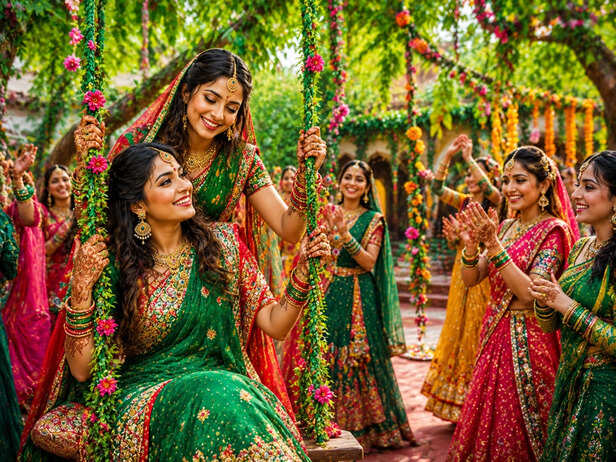
Hariyali Teej is a popular festival celebrated during Sawan. It is mainly celebrated by women. On this day, women wear green clothes, apply mehendi and wear bangles. Many also enjoy swings, sing songs and spend time with their family. But the vrat is an important part of the festival. Both married and unmarried women keep this fast. But they do it for slightly different reasons. So, why do women keep the Hariyali Teej vrat?
The Story of Parvati and Shiva
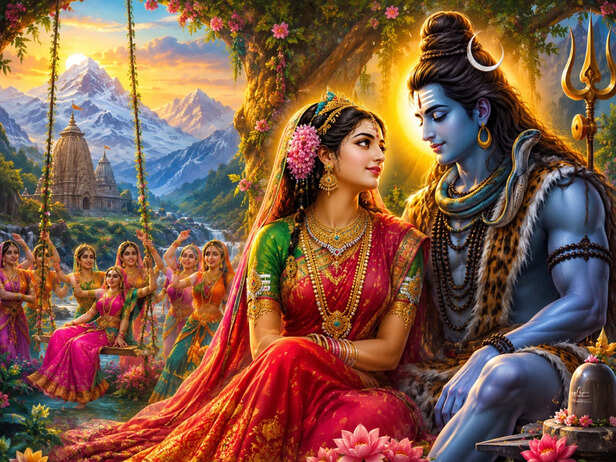
The story of Hariyali Teej is connected to Goddess Parvati and Lord Shiva. According to a popular story, Parvati wanted to marry Lord Shiva. She prayed to him and did penance for a long time. She did not give up. Her devotion and patience finally won Shiva's heart, and he accepted her as his wife. There is also a popular belief that Parvati went through 108 births before she finally married Shiva. This story is commonly shared as part of the Teej vrat katha. Different traditions may tell the story in different ways. Because of this story, Parvati is seen as a symbol of love, patience and devotion.
Why Do Married Women Keep the Vrat?
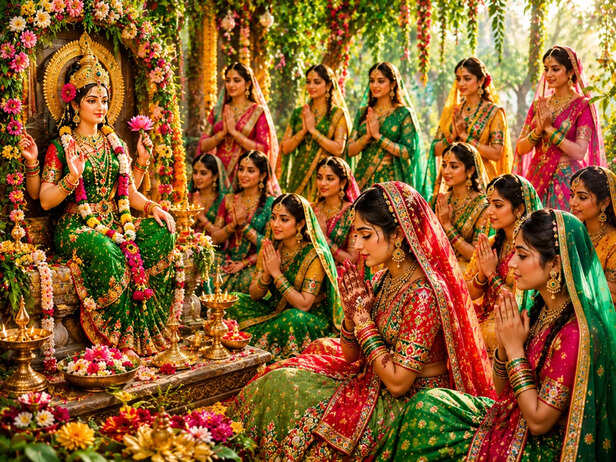
For married women, the reason is quite simple. They keep the vrat and pray for their husband's health and long life. They also pray for peace and happiness in their marriage. Many women believe that Goddess Parvati can bless their married life. The vrat is also a way for them to show their faith. For many women, it is not just about staying hungry. They spend the day praying, doing puja and remembering Shiva and Parvati.
Why Do Unmarried Women Keep the Vrat?
Unmarried women also keep the Hariyali Teej vrat. They usually pray for a good husband and a happy married life in the future. Goddess Parvati is important to them because of her story. She waited and prayed for the person she wanted to marry. Because of this, unmarried women see her as an example when they pray for their own future. In simple words, married women pray for their present marriage, while unmarried women pray for their future marriage.
What Women Do on Hariyali Teej?
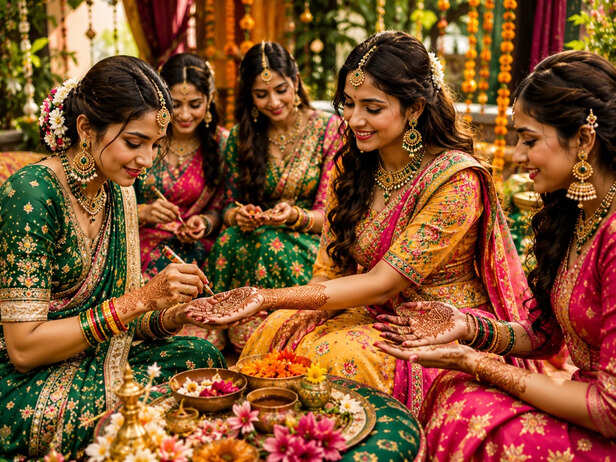
There are many small traditions linked with the festival. Women often wear green clothes and green bangles. Mehendi is also a big part of the celebration. Many women visit a temple and pray to Shiva and Parvati. They offer flowers, fruits and other items during the puja. Some women also listen to the Hariyali Teej vrat katha. In some families, women keep a nirjala vrat. This means they do not eat or drink water during the fast. But not every woman follows the same type of vrat. Rules can be different in different families and places.
Is Hariyali Teej Only About Fasting?
No. For many women, the festival is also about spending time with loved ones. Women meet each other, dress up, apply mehendi, enjoy swings and share food after the vrat. The festival has been followed for many generations. For some families, it is a religious tradition. For others, it is also a special day to come together and celebrate.
Hariyali Teej is not just about staying hungry for a day. It is connected with the story of Goddess Parvati and her love and devotion towards Lord Shiva. Married women keep the vrat to pray for their husband's health, long life and a happy marriage. Unmarried women keep it while praying for a good husband and a happy married life in the future. The traditions may be different from family to family, but the main idea remains the same: faith, love and hope. That is why women continue to celebrate Hariyali Teej with prayers, mehendi, green clothes, bangles and family celebrations.
This article is based on spiritual beliefs and is intended for informational purposes only. It does not constitute financial, medical, or professional advice.
Facing repeated career and financial challenges? Your name energy may be influencing it. Check here.
Unlock insightful tips and inspiration on personal growth, productivity, and well-being. Stay motivated and updated with the latest at My Life XP.