

If your bank account could talk, it would probably be whispering warnings about January 20th. This isn’t some arbitrary date plucked from the void—it’s a critical turning point for financial decision-making that can either set you up for a smooth year or trap you in a web of preventable setbacks.
Think of it as a checkpoint where procrastination and poor planning can turn into real consequences faster than you can say “credit freeze.” The stakes are higher than most realize, and the clock is ticking. Understanding why this date matters and acting accordingly might just be the smartest move you make all year.
The End Of Post-Holiday Cushioning
By January 20th, most people have exhausted the financial buffer built during the holiday season. Credit card bills from gifts, travel, and festive splurges start landing in mailboxes and inboxes, and many don’t realize how quickly these balances can compound with interest. The post-holiday financial lull can disguise looming trouble, especially for those who used short-term loans or credit cards as temporary relief.
Being proactive before this date means assessing what’s really owed versus what’s manageable, setting a plan to avoid carrying high-interest balances, and resisting the temptation to “catch up” with more debt. If left unchecked, January 20th can feel like stepping off a cliff, except the ground is made of interest rates, fees, and late charges. Preparing now gives you breathing room, instead of a scramble to make ends meet in late January.
Tax Deadlines And The Early-Year Crunch
January 20th also falls at a critical point in the tax cycle. Many taxpayers begin seeing forms like W-2s, 1099s, and preliminary interest statements arrive right around this time. Missing the opportunity to organize documents, check deductions, or even estimate tax liabilities can create a domino effect of stress and financial strain. For self-employed individuals, freelancers, or those with variable income, this date signals the moment when financial projections for 2026 become urgent.
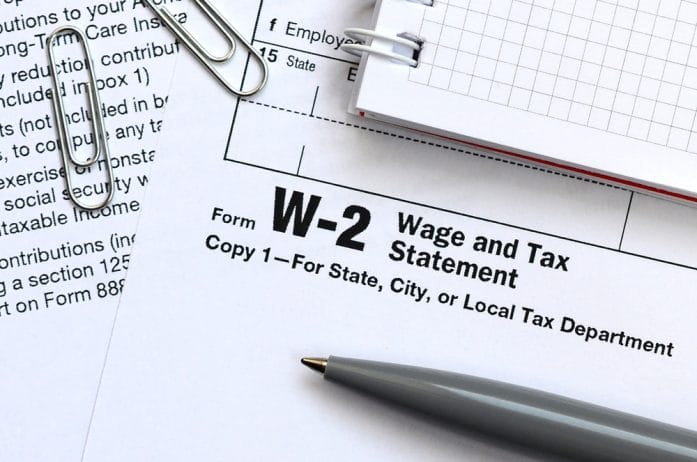
The earlier you review your tax situation, the better positioned you are to adjust withholding, make quarterly payments, or capitalize on deductions that can ease the burden later. Ignoring this timing doesn’t make the numbers go away—it only makes January 20th the day you realize you could have avoided an unnecessary headache.
Investment Decisions Need An Early-Year Lens
Financial advisors often stress the importance of early-year planning for investments, and January 20th serves as a key benchmark for decision-making. Markets react to policy announcements, interest rate changes, and corporate earnings projections, all of which can shift rapidly in the first few weeks of the year. By this date, patterns start emerging that inform your investment strategy for the months ahead. Delaying action until February or March could mean missed opportunities or entering positions when market conditions are less favorable. Whether it’s rebalancing a portfolio, adjusting retirement contributions, or reconsidering risk tolerance, January 20th is when the first real course corrections should happen to avoid costly missteps.
Personal Budgets Face Their First Real Test
The start of the year brings optimism, resolutions, and ambitious budgeting plans—but by January 20th, reality often hits. Bills, subscriptions, mortgage payments, and everyday expenses begin to accumulate, revealing whether your budget was aspirational or actually achievable. This is the moment to confront overspending, revisit discretionary categories, and make adjustments before habits become entrenched. Those who procrastinate might find themselves dipping into emergency savings or falling behind on bills, turning a minor inconvenience into a long-term financial challenge.
Approaching January 20th with a clear, realistic view of your cash flow can prevent small missteps from snowballing into full-blown crises.
Debt Management Must Take Priority
If debt management isn’t already a focus, January 20th is a wake-up call. Credit cards, personal loans, and other financial obligations can accumulate silently, with interest quietly chipping away at your available funds. Ignoring this date can result in missed minimum payments, higher interest accrual, and even damage to your credit score. A proactive approach includes reviewing all outstanding debts, prioritizing high-interest accounts, and considering strategies like consolidation or refinancing if necessary. By taking action before the red line of January 20th, you can transform a reactive, stressful financial situation into a structured, controlled plan that sets the stage for a more stable year.
Emergency Funds Should Be Evaluated Now
Finally, January 20th is the perfect checkpoint for your emergency fund. Unexpected expenses—a car repair, medical bill, or home maintenance—can derail financial stability if you’re unprepared. Assessing your savings, ensuring accessibility, and replenishing any shortfalls should be non-negotiable tasks before this date passes. An underfunded emergency cushion can turn minor inconveniences into significant disruptions. Planning for emergencies ahead of the curve isn’t just wise—it’s essential for maintaining momentum in your broader financial goals.
Take Action Before The Red Line
January 20th is more than a date—it’s a marker for proactive financial behavior. It signals the point where post-holiday recovery, tax considerations, budget testing, debt management, and investment strategy all intersect. Ignoring this date can magnify small missteps into larger financial problems. Meanwhile, acting beforehand sets you up for a smoother, more controlled year. Use it as a milestone to assess your overall financial health, make adjustments, and ensure your 2026 goals stay on track.
Have a personal experience or strategy that helped you navigate this crucial day? Leave your thoughts and stories in the comments below, because your insights might help someone else steer clear of pitfalls.
You May Also Like…
10 Financial Wake-Up Calls People Experience After Age 55
Income Stability: 6 Retirement Income Moves That Aren’t as Safe as They Seem
Savings Base: 6 Foundational Moves That Keep Retirement Plans Stable
Why Does Financial Anxiety Show Up Even When Bills Are Paid
8 Budget Fixes That Instantly Turn Finances Around
The post Why January 20th Is the ‘Red Line’ for Your 2026 Financial Stability appeared first on The Free Financial Advisor.