
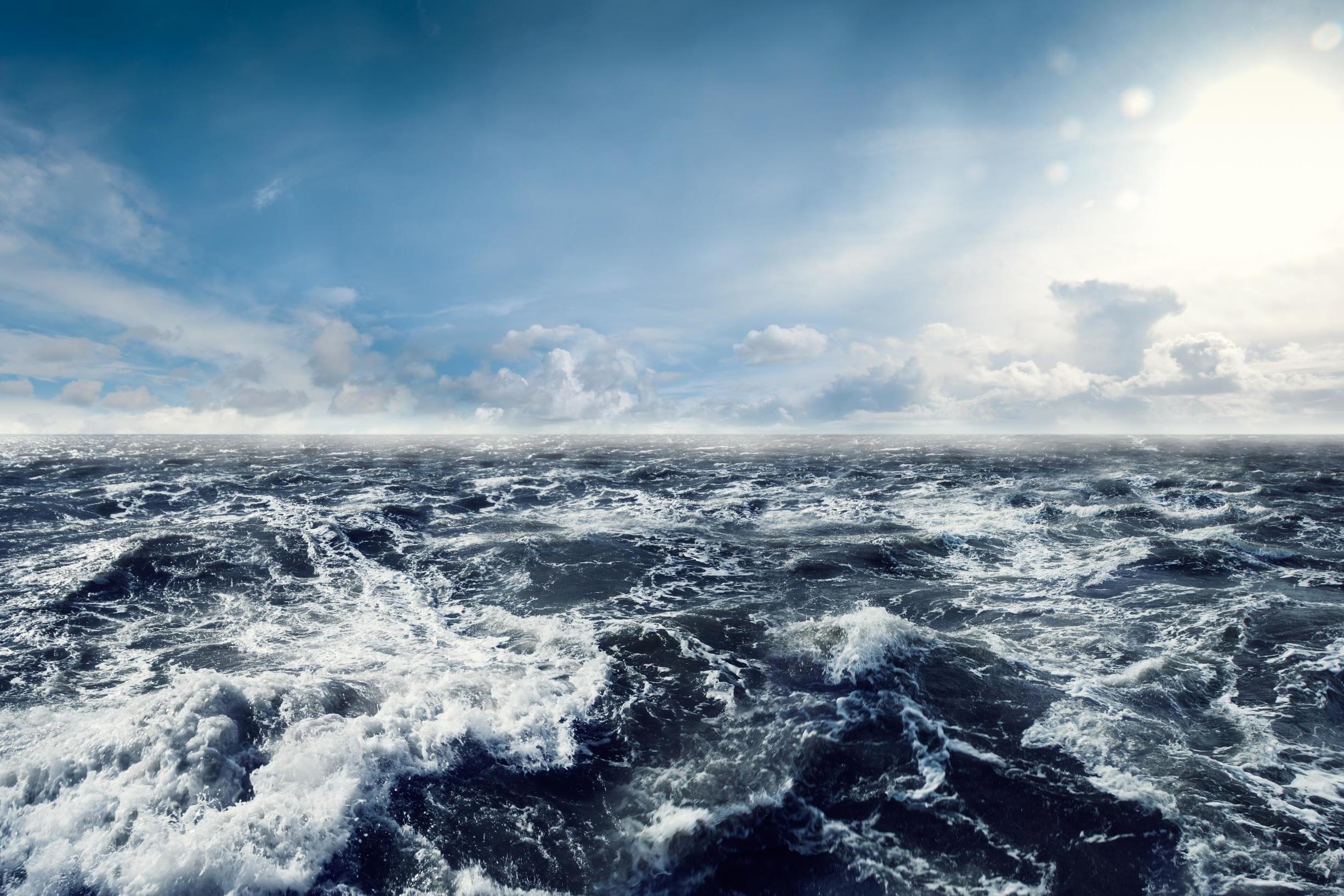
Spending time in the ocean compared to other natural bodies of water, one of the key differences is the noticeable difference in salt content in the water.
Oceans and seas cover roughly 70 per cent of the world, and contain about 97 per cent of the Earth’s water, and yet, the water is undrinkable due to the salt levels.
However, the five oceans aren’t the only saline bodies of water - most water on earth has some levels of salt.
Why are the oceans salty?
The salt is the result of land erosion and begins when rain containing dissolved carbon dioxide falls on land.
As rocks erode, the minerals, mostly chloride and sodium, are washed away by rivers and streams, and carried to the oceans, according to the National Oceanic and Atmospheric Administration (NOAA).
Although sodium chloride makes up the majority of the salt in the water, other minerals such as magnesium, calcium, and potassium are also dissolved in salt water.
Do all of the oceans have the same amount of salt?
Each ocean has a different salt content and each ocean is not uniformly salty - rather different areas and seas have higher or lower salt levels.
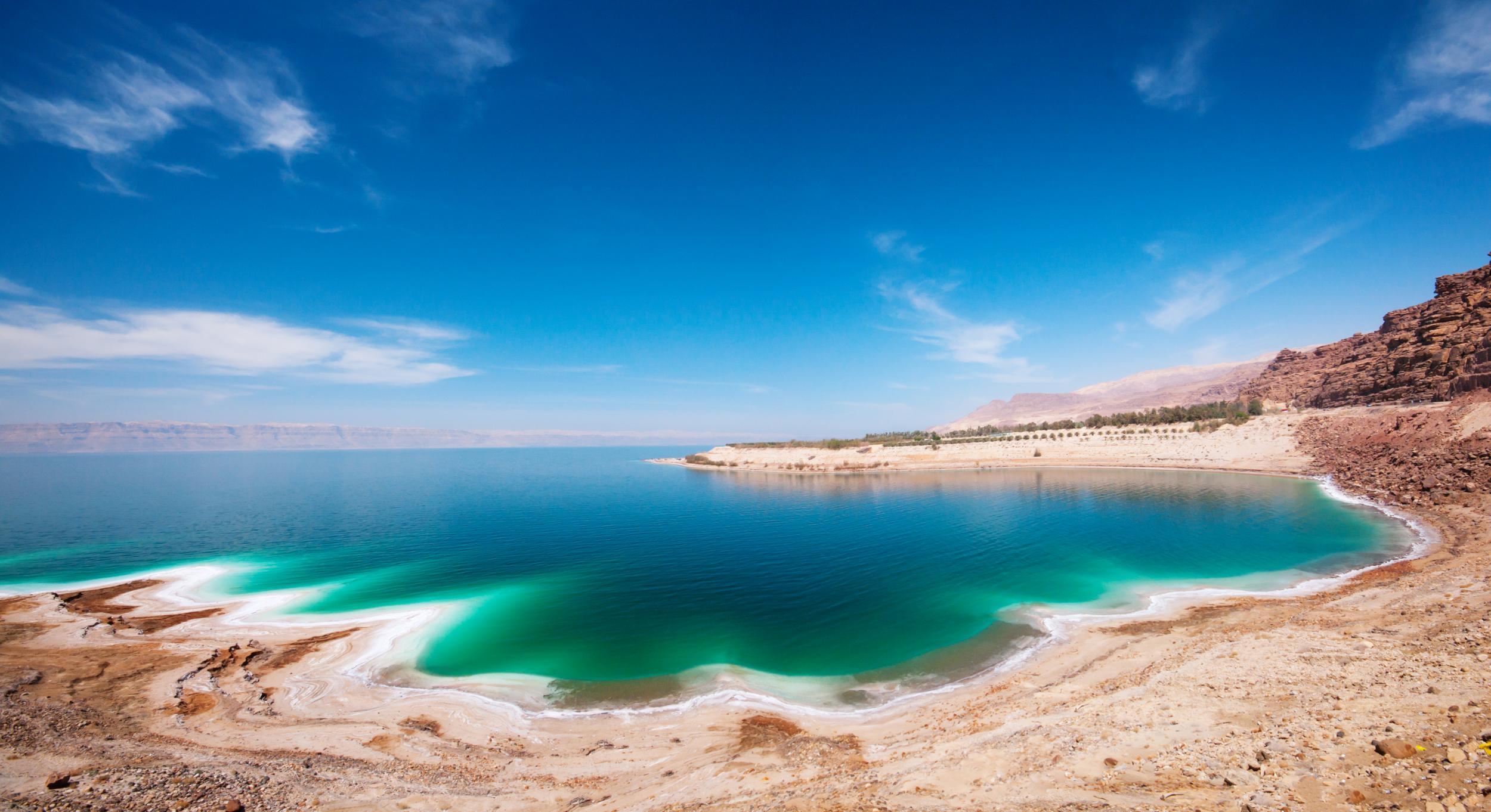
On average, saltwater contains 35 grams of salt per kilogram, according to Scripps Institution of Oceanography.
The ocean with the most salt is the Pacific Ocean - the largest and deepest of Earth’s oceans. Located between Asia and Australia in the west and the Americas in the east, the Pacific Ocean has the most salt because parts experience excess evaporation, which leaves the water more dense and salty.
Why are rivers not salty?
Because the water comprising the oceans comes from rivers and streams which deposit the water into the oceans, it would make sense that rivers and streams are also salty - which is partly true.
The constant replenishing of rivers with rainwater keeps rivers from becoming overly salty - as the salt is always pushed out and into the seas, where it collects.

Throughout the world, it is estimated that rivers carry four billion tons of dissolved salts to the oceans annually, according to NOAA.
However, the majority of water, including rainwater, contains some salt.













