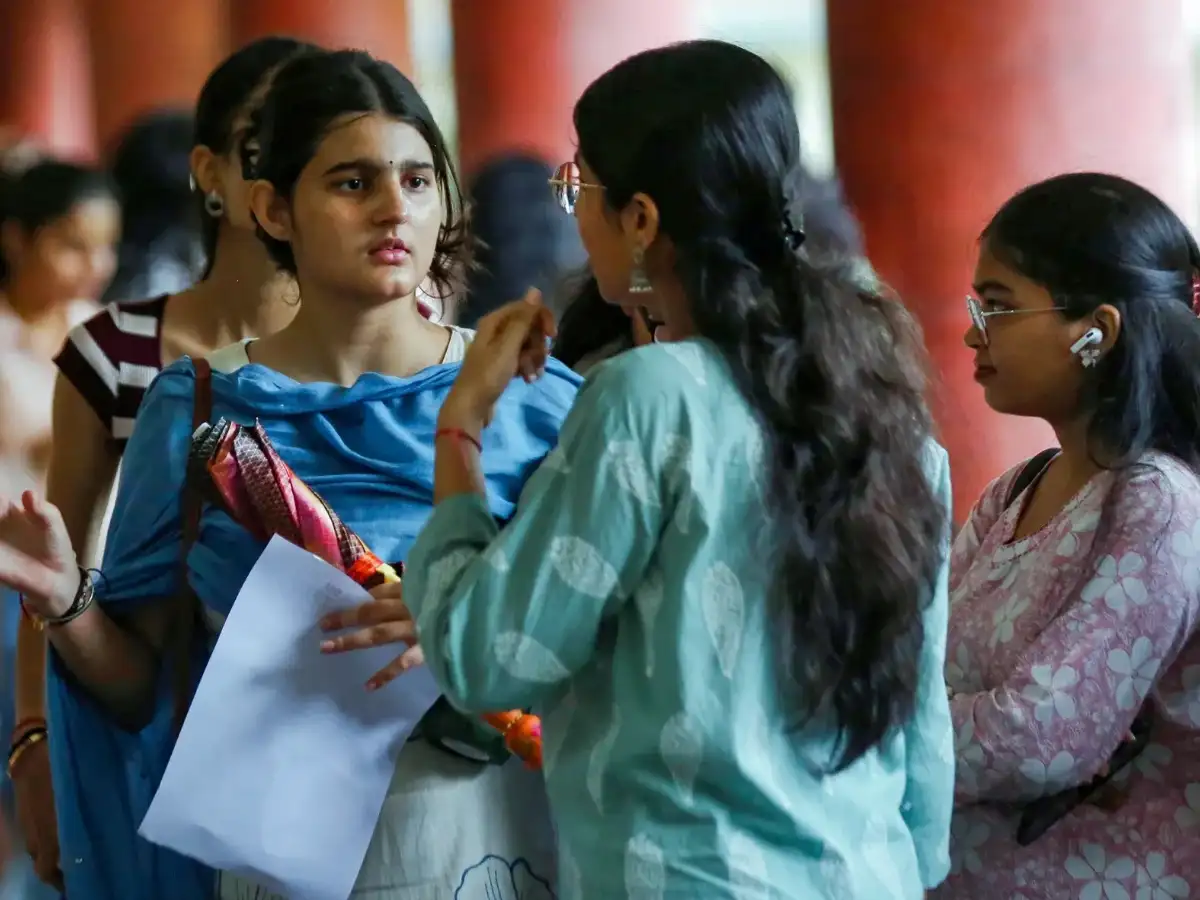
Student protests that rocked India last week are shining a light on the country’s private coaching industry and its soaring costs.
After-school tuition is sucking up a bigger portion of Indian family budgets these days as an increasing number of students compete for a limited number of spots at top colleges.
That’s why when examination papers for entrance to medical schools were leaked in May, and the government forced more than 2 million students to resit the test, anger exploded onto the streets. The protests by tens of thousands of students last week in New Delhi and other major cities culminated in the education minister resigning over the scandal and Prime Minister Narendra Modi appointing a task force to tackle the problem of leaked papers.
Here’s a look at the drivers of education costs in India and how that’s fueling the frustrations of young people.
Also read: Course correction: Govt readies plan to double education loan disbursals
Education costs are rising faster than incomes
Household incomes have increased at a compound rate of 11.9% a year in the past decade, trailing the 15.7% pace in education spending, according to the Consumer Pyramids Household Survey by private data provider Centre for Monitoring Indian Economy.
An average household in India now spends almost 3% of their income on education, at least a decade high, compared with 1.95% in 2014-15, according to CMIE.