
The development of a greener, less wasteful health service is one of the cornerstones of the NHS’s improvement plan.
Sonia Roschnik, head of the Sustainable Development Unit, which supports NHS, public health and social care services in England, says sustainability is a key part of the Five Year Forward View – the blueprint for the future of the health service – not just because it makes financial sense but because it is a health matter.
“Sustainability is important for the NHS because climate change and the environment are going to impact on people’s health – whether that is air pollution leading to respiratory disease, or not eating good nutritious food,” she says. “There are a lot of links between high consumerism, unsustainable behaviours and impacts on health.”
The NHS’s long-term strategy also requires adapting to climate change. “We already know the consequences of hot summers on wards,” adds Roschnik, “so we need to be better prepared for it.” Crucially, reducing the health service’s environmental impact goes beyond improving energy efficiency within its buildings or minimising the carbon footprint from transport. The NHS also needs to look at the procurement of vital services, such as food and medical supplies.
One business already taking steps to help the NHS become a more sustainable health service is apetito. The catering company, which supplies food and services to more than 400 hospitals in the UK, is committed to reducing its environmental impact. Measures the business has already taken include only using sustainable fish from the Marine Conservation Society’s fish to eat list and using sustainable palm oil.
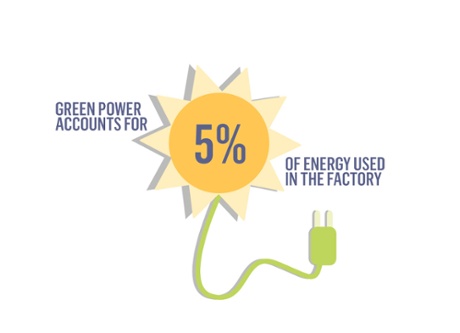
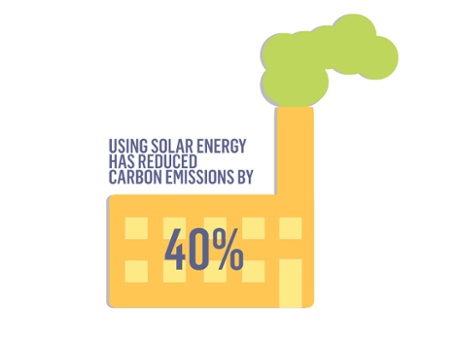
The company is also striving to reduce the amount of energy used at factory level, using solar energy to reduce its carbon emissions by 40% since 2007. The amount of food waste sent to landfill has been reduced to zero thanks to the business’s investment in an anaerobic digestion system, which converts the material into electricity. This green power now accounts for 5% of energy used in the factory. The diesel consumption of the company’s fleet of delivery vehicles has also been reduced by a third.
apetito is conscious, however, that sustainability is not just about the environment – it’s about economic and social issues as well. That’s why the business currently pays 82% of its staff at least the national living wage and by next year says that will rise to 100%.
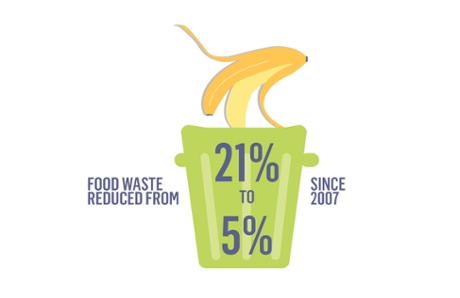
Importantly, because all the meals are frozen, hospitals are able to make significant food waste savings. One of apetito’s clients, Musgrove Park hospital in Taunton, Somerset, reduced food waste from 21% to 5% after switching to cook-freeze meals. Feedback from patients has been overwhelmingly positive and the hospital scooped the Hospital Catering Association’s catering service of the year award earlier this year.
Lee Sheppard, director of public policy and external affairs for apetito, says the company made the decision to focus more on sustainability eight years ago after a report from sector body the Food and Drink Federation revealed the company was sending more waste to landfill than previously thought.
Sheppard says: “That was definitely a defining moment where we said, what are we going to do about this? What is the right sustainability model for us and that supports our customers? Where do we want to be and where do we need to be? What are the things that we need to start working on?”
Despite radically reducing waste and improving efficiency across the company’s operations, apetito is determined to build on its achievements and is creating a roadmap to help it meet sustainability objectives by the year 2020.
“We have had a lot of success around driving improvements around energy and waste, but what we now want to do is make sure that roadmap is embedded within our company values,” adds Sheppard. “We are looking at major factory development at the moment and the sustainability factors will be built in to every purchase decision we make there.”
Companies such as apetito are helping the NHS deliver a more sustainable health service and the priority now is educating the sector about what sustainability really means and how this approach can benefit patient care.
Scott Buckler, business development director for social enterprise 4AllofUs, co-organiser of the NHS Sustainability Day, says an increasing number of NHS trusts are becoming engaged in this agenda. He thanks the Five Year Forward View, which touches on prevention and sustainability, as a key driver for this change.
Roschnik agrees that there is a growing appetite for sustainability in the NHS and would like it to be seen as just part and parcel of the way the health service is run.
“It should become so natural that actually we don’t need to think about it,” she says. “That will take years and years to take effect but in a way it would be great if people could see that it is not so much of a challenge but more of a great opportunity because we can not only save money but improve health and save the environment.”
Content on this page is paid for and produced to a brief agreed by apetito
- This article was amended on 29 September 2015 to correct a reference to 4AllofUs, which is co-organiser of NHS Sustainability Day, rather than the sole organiser. We also corrected a mention of the Marine Conservation Society, which does not run a certification scheme but publishes a fish to eat list.