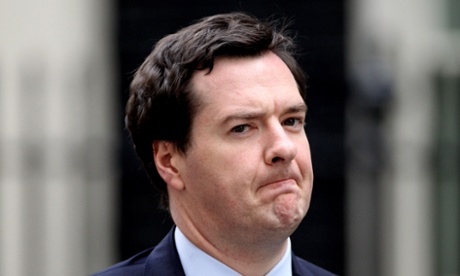
George Osborne has now officially missed what was his most prized target: eliminating the deficit by the end of this parliament. With public sector net borrowing at £80bn, the deficit still stands at around 5% of GDP.
Osborne’s calculations were torpedoed by one crucial measure: the labour market. They predicted that employment would improve and the employment rate is now 73%, just shy of an all-time high. The unemployment rate has fallen to just 6%.
Intuitively one would expect that with a growing economy and such high employment the government’s tax receipts would be increasing at a pace with the labour market. Yet, despite more jobs having been created, wages have been dropping for some time now.
Simply put, more people are working, but are poorly paid and are earning less.
This is particularly true for those in the low-skilled and part-time jobs which have been one of the main drivers of increased employment since the financial crisis. Because of this the Treasury’s challenge is further compounded by the fact that tax cuts at the bottom of the scale have been costlier than expected.
As a result of all this, the amount that the government has been receiving in income tax has been lower than they forecast in the November 2010 budget for all but one financial year. These missed targets were pointed out by the Office for Budgetary Responsibility last month.
The gap between what was forecast in 2010 and what the government received in income tax receipts has been widening
In 2013-14 the difference between what was originally forecast and what the government actually received in income tax was over £20bn - more than a fifth of the country’s total deficit over that period.
George Osborne blames the government’s failure to eliminate the deficit on a slowing global economy. In reality, a large part of the problem has been the nature of the labour market’s recovery.
Low wages are not just an issue of fairness, but are critical in tackling the nation’s finances.