
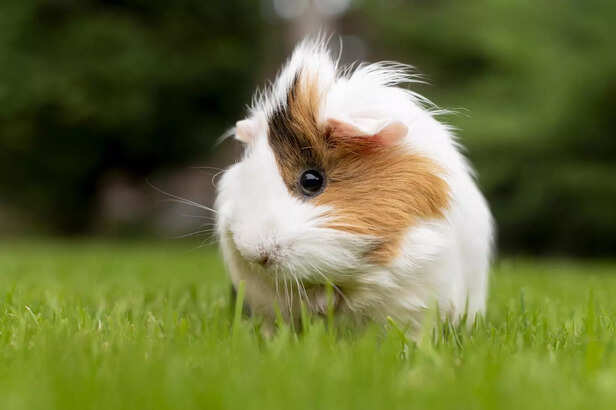
Some Reasons Why Hamster is Not Considered as a Great Pet ?
1. Hamsters Prefer Solitary Lives
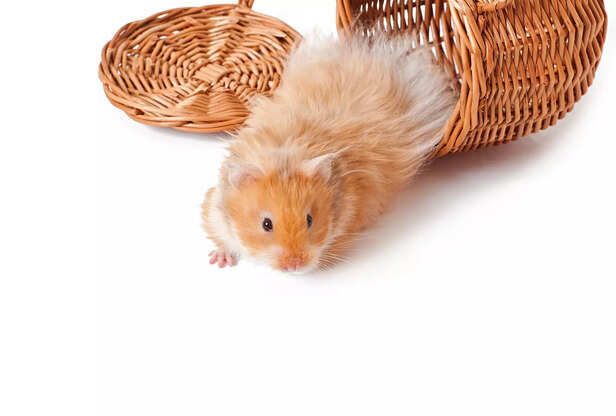
Some rodents are fond of socializing and even live in groups in the wild. Hamsters are not one of those animals. They prefer to be left alone and at peace for their short lives. In the wild, hamsters only come together to mate, then part ways afterward. A mother hamster will care for her pups until they are old enough to make it themselves. They will leave the nest and not return. If they do choose to return, their mother may fight and kill them in the process. Hamsters are territorial and very protective of their burrows and food supplies. A child will want a cuddly animal they can hold, carry around, and play with. A hamster will not want to be touched and will become nervous around anyone, especially a loud, fast child. Rats love socializing, bonding closely with their owners, and coming out and playing. Because they are so social, they must be kept with at least one other rat to cuddle and sleep with.
2. Hamsters Are Fearful
In nature, hamsters have many enemies who would be happy to have them for dinner. It is understandable why the small rodents would be fearful. Since they are waiting for a predator to find them and remain constantly nervous, they do not make great pets for children. It is essential to understand how a hamster thinks and why. Children are typically unable to fully grasp how an animal low on the food chain might react or think. Something as simple as reaching over a hamster can freak them out, and they might view you as a predator. Children also tend to unexpectedly grab hamsters and move quickly, which is precisely why hamsters view them as predators. They prefer to stay at home with the doors locked. They don’t want visitors.
3. Hamsters Can Bite Very Hard
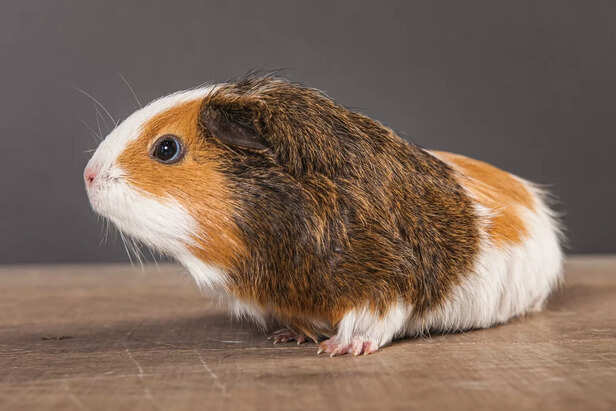
One of the reasons hamsters end up being rehomed or dumped at animal shelters is because their only defense is to bite. This is especially true when dealing with a young child who might think it’s perfectly fine to reach into a hamster’s bed and grab them. The hamster gets blamed for being vicious and hurting the child. The bite inflicted on the child could be deep and may even require stitches. Almost everyone in the U.S. has a horror story about a hamster from when they were a child.
4. Hamsters Are Fragile
Another reason hamsters make poor pets for children is because they are so fragile, with tiny, easily breakable bones. They can die from a fall, and if they are forced into a small space, like a toy, by a child, they could break bones and suffer greatly. Most parents aren’t aware that a hamster can go to the vet, and even more, they are unlikely to rush a hamster with a broken leg to an emergency clinic after hours. Hamsters are delicate and must be treated as such. They have very short lives, and any amount of suffering is too much.
5. Hamsters Are Nocturnal
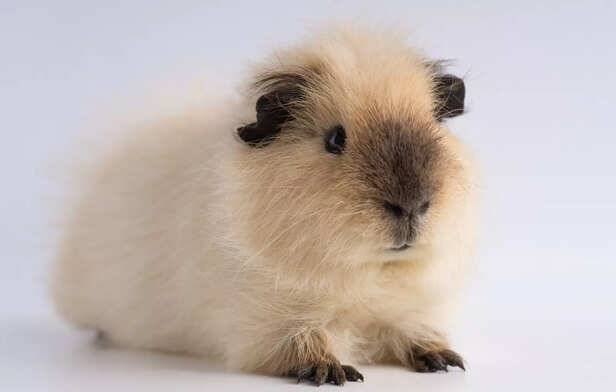
Hamsters are nocturnal, and disturbing them throughout the day with loud noises or forcing them to come out is cruel. Children will want to have a pet that can play while they are awake. Hamsters typically wake up around a child’s dinner time and stay up all night until an hour or so before the sun rises. Your child will be sad not to be able to play with their friend after school, so it’s best to get an animal that is awake during the daytime. Guinea pigs are rodents who make great pets, are gentle, and tend to be awake during the day.
Disadvantages of keeping hamsters
- Hamsters are nocturnal. During the day, they like to sleep undisturbed in their little cage; they then become really active at dusk. They run around their cage all night, which can be quite noisy. Keeping them in a child’s room, therefore, usually leads to sleepless nights. Children often only get to see the rodent just before they go to bed.
- Hamsters are not cuddly and pattable animals; they also have a delicate bone structure and can be easily injured by a boisterous child. If they feel threatened, they may even bite.
- Hamsters only live for one and a half to three years. Once a child has formed a bond with them, its early death can be traumatic.
Celebrate the bond with your pets, explore
Health & Nutrition, discover
Breeds, master
Training Tips,
Behavior Decoder, and set out on exciting
Travel Tailswith
Times Pets!Frequently asked questions (FAQs)
-
Are hamster good pet for young children ?
No, hamsters are generally not good pets for young children. They are fragile, easily stressed, and may bite if handled roughly or woken up during the day.
-
Why do hamster bite children ?
Hamsters usually bite when they feel scared or threatened. Sudden movements, loud noises, or improper handling—common with children—can cause defensive biting.
-
At what age is a child suitable for keeping a hamster ?
Hamsters are better suited for older children, usually 12 years and above, who can handle them gently and understand their care needs with adult supervision.