Grocery bills keep climbing in a way that feels sharper than official inflation reports suggest. Shoppers see modest percentage increases in economic data, yet checkout totals jump by noticeably larger amounts week after week. This gap creates frustration because the numbers on paper do not match the lived experience at the register. Grocery aisles now feel like a maze of shifting prices, smaller packages, and unpredictable deals. The final receipt often tells a more intense story than any government chart or economic headline.
This disconnect comes from more than just rising prices on a spreadsheet. Stores adjust pricing strategies, package sizes, and discount structures in ways that reshape how inflation feels in real time. Consumers do not always notice each individual change, but they feel the combined effect during checkout. Small increases stack quickly across dozens of items in a single cart. That accumulation creates the sense that grocery inflation hits harder than official statistics imply.
Inflation Data Smooths Out the Sharp Edges of Real Life Spending
Economic reports track grocery inflation by averaging thousands of prices across regions and time periods. That smoothing process hides sudden jumps in specific products that shoppers actually buy every week. A spike in eggs, coffee, or meat might show up as a small blip in data, but it feels dramatic at checkout. Consumers build their budgets around recurring purchases, not broad averages. That difference creates a gap between statistical reality and personal experience.
Inflation data also lags behind real-time pricing shifts in stores. Retailers update prices quickly based on supply chain costs, demand changes, and seasonal fluctuations. Shoppers feel those adjustments immediately when scanning items at the register. Official reports catch up later and often dilute those spikes across categories. That timing mismatch makes grocery inflation feel more intense than the headlines suggest.
Shrinkflation Quietly Raises Prices Without Changing the Sticker Shock
Shrinkflation reduces package sizes while keeping prices nearly the same, creating a hidden form of inflation. A cereal box might shrink by several ounces while the price stays unchanged or increases slightly. Shoppers often miss these subtle changes because packaging still looks familiar on the shelf. The real cost rises because consumers pay more per ounce without realizing it immediately. Over time, this strategy significantly increases total grocery spending.
Manufacturers rely on shrinkflation because it avoids direct price hikes that could scare customers away. Retail shelves maintain price stability at first glance, but value decreases quietly behind the scenes. Consumers only notice when they run out of food faster or compare old and new packaging. That delayed realization amplifies frustration at checkout. The cart fills the same way, but the value inside it keeps shrinking.
Store Pricing Strategies Turn Groceries Into a Moving Target
Supermarkets use dynamic pricing strategies that shift costs based on demand, location, and competition. A product might cost more in one store than another just a few miles away. These variations make grocery inflation feel inconsistent and unpredictable. Shoppers struggle to track what counts as a “normal” price anymore. That uncertainty makes every checkout feel like a gamble.
Retailers also adjust prices more frequently than most shoppers expect. Digital systems allow stores to change prices overnight without major announcements. Customers walking in on different days may see different totals for identical carts. That rapid adjustment creates the impression that prices never settle. The instability adds emotional weight to every trip down the grocery aisles.
Loyalty Programs and Discounts Blur the True Cost of Groceries
Loyalty programs and digital coupons create the illusion of savings while masking rising base prices. Shoppers often see “discounted” totals without realizing the starting price already increased. This strategy keeps customers engaged while still raising overall revenue. The final receipt may look like a deal, but the baseline cost keeps climbing. That contrast adds confusion at checkout.
Promotions also rotate frequently, encouraging shoppers to buy items at different price points each week. A discounted item one week may return to a higher price the next week without notice. Consumers adjust habits to chase deals instead of stable pricing. That behavior makes grocery budgeting harder to predict. The sense of control fades as pricing patterns shift constantly.
Psychology at Checkout Amplifies the Pain of Rising Costs
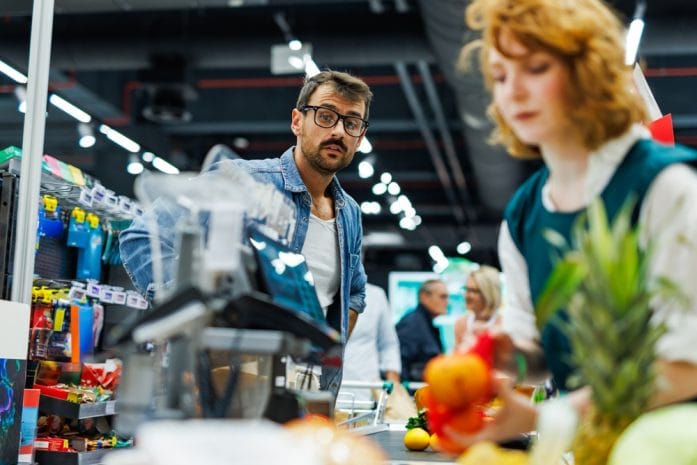
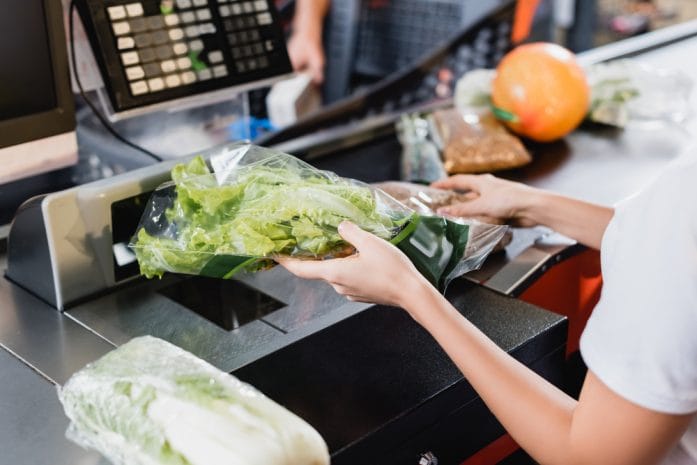
The checkout moment intensifies price awareness because all purchases appear at once. Shoppers rarely calculate running totals while shopping, so the final number delivers a sudden reality check. That single moment concentrates the emotional impact of inflation into one screen or receipt. Even small increases across many items stack into a noticeable jump. That concentration makes inflation feel sharper than gradual data trends suggest.
Cognitive bias also plays a role in how shoppers interpret rising costs. People remember recent price spikes more vividly than stable periods. A single expensive trip can overshadow several normal ones. That memory distortion reinforces the belief that grocery inflation has accelerated faster than it actually has. The brain amplifies the most painful checkout experiences.
What the Checkout Total Really Reveals About Grocery Inflation
Grocery inflation does not move in a straight line, and checkout totals reveal that complexity in real time. Shrinkflation, pricing strategies, and psychological factors all combine to shape how expensive groceries feel. Official statistics capture broad trends, but they miss the emotional and behavioral layers of everyday shopping. That gap explains why many shoppers feel surprised when they reach the register. The experience reflects not just inflation itself, but how the entire system presents it.
What changes at the grocery store have surprised you the most during checkout lately? Let’s hear your thoughts and experiences in the comments below.
You May Also Like…
Pennsylvania Seniors Say Grocery Bills Still Haven’t Dropped Despite Slower Inflation
Why Does Shopping for Basics Feel Emotionally Draining Now
Why Does Grocery Shopping Create So Much Sticker Shock
9 Sneaky Costs of Online Shopping Sprees
Why Do Families Spend More on Pets Than Groceries
The post Why Grocery Inflation Feels Worse at Checkout Than It Looks on Paper appeared first on The Free Financial Advisor.