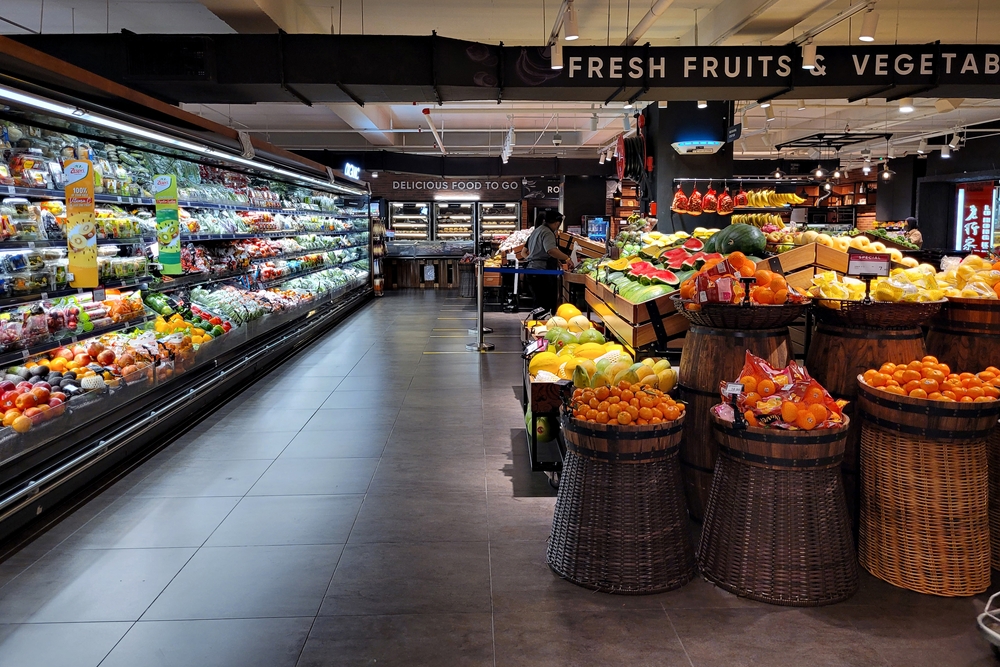
Shoppers walk into a familiar store and find the aisles rearranged, the signage swapped out, and the products pushed into new corners. Nothing was broken, yet the layout changed anyway. Grocery store remodeling shapes how people shop, what they buy, and how long they stay. It looks cosmetic, but the motives run deeper. Chains use these projects to tighten margins, steer behavior, and protect market share. Grocery store remodeling has become a quiet strategy, not a response to obvious problems, and its impact reaches every shopper walking through those doors.
1. Aisle Layouts That Increase Basket Size
Store executives study how people move. They map the steps from the entrance to the exit, and they measure which paths lead to larger baskets. Grocery store remodeling often starts with that data. A shift in aisle flow, even a small one, can shape what shoppers grab on impulse. When essentials move farther into the building, the trip stretches out. More time inside increases the odds that a shopper picks up something they did not plan to buy.
These redesigns look neutral. They are not. A bend in the aisle forces a pause. A widened display creates a bottleneck. People linger. Their carts are slow. Sales rise in the categories that sit closest to those friction points. Stores treat the layout like a script, and the remodel rewrites it in ways shoppers rarely notice.
2. Rebranding That Signals Strength
Chains remodel to project confidence. Fresh paint and updated lighting suggest a business in motion, even when the underlying structure barely changes. A remodeled location can mask aging equipment or budget cuts behind crisp signage and muted colors. The message is simple: this store is stable, competitive, and ready to hold its ground.
Shoppers respond to that message. Clean lines and modern fixtures build trust. They create an atmosphere that pushes doubts to the edges. Even if the shelves carry the same products at the same prices, the fresh look reinforces the idea that the chain is keeping pace with the market. A subtle shift in perception becomes another form of currency.
3. Higher-Margin Product Placement
Margins drive decisions. Grocery store remodeling gives chains a chance to reposition high-profit items and reduce space for lower-profit items. A redesigned dairy section, for example, can place premium brands at eye level. An updated center store layout can shrink the footprint of bulk goods that take up space but deliver thinner returns.
Placement changes often appear minor. A shelf moves up. A category shifts one aisle over. Yet these choices reshape the economics of the entire store. They help chains push private labels, emphasize prepared foods, and reduce reliance on low-margin staples. Remodels offer cover for these adjustments. Shoppers see a fresh look, not a profit strategy.
4. Efficiency Behind the Scenes
Not every change faces the customer. Many remodels hide operational upgrades that tighten labor and energy costs. New refrigeration cases use less power. Updated stockrooms reduce the time needed to unload shipments. Redesigned checkout areas shrink the space that requires staffing. Some stores add self-service stations with minimal fanfare, but their placement follows careful analysis of traffic flow and friction points.
These upgrades position chains to operate with fewer employees on the floor. The remodel becomes the moment to introduce subtle shifts in staffing patterns. Shoppers adapt quickly, even when they notice longer waits at certain times of day. The reduced overhead helps the chain absorb rising costs elsewhere.
5. Competition That Pressures Constant Change
Rivals push each other to refresh, even when nothing is broken. One chain unveils a sleek format, and others respond to avoid looking dated. The cycle repeats across regions. Grocery store remodeling becomes a defensive act rather than a response to clear customer demand. Chains aim to signal relevance before shoppers drift toward a competitor with brighter lighting or a more open layout.
In dense markets, this pressure builds fast. A remodel can serve as a public reminder that the chain is not falling behind. The work rarely ends with a single location. Once a new style lands, it spreads to neighboring stores to maintain a unified look. Shoppers who visit multiple locations expect consistency, and chains move quickly to deliver it.
6. Subtle Nudges That Shape Shopper Behavior
Every redesign carries invisible nudges. A new bakery location sends warm smells across the front end. A relocated produce section pulls shoppers toward seasonal displays. A chilled endcap pushes convenience items that pair with weeknight dinners. Grocery store remodeling turns small sensory cues into sales tools.
These cues build habits. Shoppers create new internal maps of the store, and chains use that transition period to introduce products that benefit from exposure. The changes strike quietly, but they alter routines in ways that favor the chain’s goals.
The Forces Driving Constant Reinvention
Remodels tell a story of competition, efficiency, and control. Chains use them to manage costs, shift perception, and guide the small decisions that add up at the register. Grocery store remodeling continues even when shoppers feel the store worked just fine because the motive rarely centers on comfort or beauty. It centers on survival in a tight-margin business.
What shifts have you noticed in your local store, and how have they changed the way you shop?
What to Read Next…
- Cook More at Home by Investing in a Kitchen Remodel
- The Long Term Cost Efficiency of a Kitchen Remodel
- How Grocery Store Layouts Influence Your Shopping Habits
- Why Some Grocery Chains Decline and Others Improve Common Factors
- These Grocery Store Trends Are Quietly Changing How People Shop in 2025
The post Why Grocery Chains Keep Remodeling Stores That Weren’t Broken appeared first on Grocery Coupon Guide.