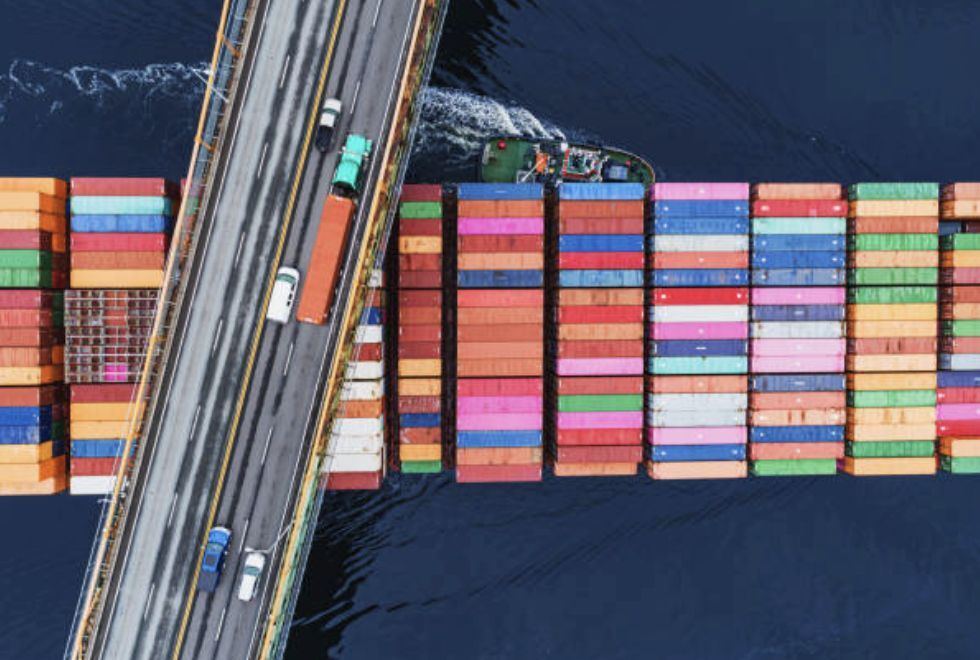
Did you know a bottle of Chilean wine might travel more miles than the average office worker in a year, just to land on your Friday dinner table? And no, it’s not on a gap year. That’s logistics. The invisible engine that keeps the world moving while you argue whether to use Excel or Google Sheets for inventory.
Logistics doesn’t sleep. Over 65 million tons of goods are moved by road every minute in Europe alone. In Latin America, the e-commerce boom has pushed supply chains harder than your New Year’s fitness goals—a 43% surge in demand since 2019, according to CEPAL. The same supply chain that once only trembled during a trucker strike now panics when TikTok declares white sneakers uncool.
The present doesn’t wait: smart logistics or go extinct
By 2031, the smart logistics market—powered by IoT and fleet management tech—will be worth a staggering $16 billion, as reported by NewsTrail. No, we’re not talking about helmet-wearing robots or drones delivering coffee (though we’d totally take that). We mean real-time data, automation, and fleet management software that knows more about your trucks than the actual drivers.
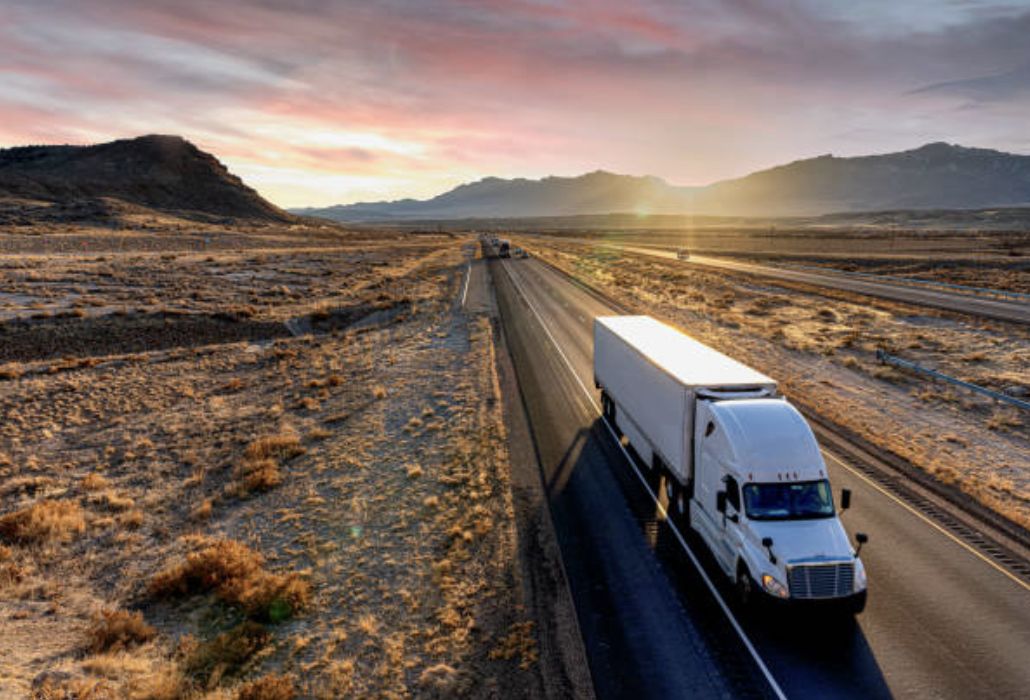
So what’s fueling this growth? A desperate need to know where every truck, box, and excuse for a delay is. That’s where the fleet management software comes in: the all-seeing eye that doesn’t blink, doesn’t call in sick, and doesn’t stop for empanadas.
Companies using these systems have slashed fuel costs by up to 25% and improved delivery times by 30%, according to McKinsey. That’s less “where is it?” and more “wow, it’s already here.”
From chaotic roads to packages that actually arrive
Latin America’s roads play by their own rules - missing street signs, traffic straight out of a video game, and detours that feel like plot twists. Yet companies embracing smart logistics have seen on-time deliveries improve by 40%.
How? With data. With intelligence. And with GPS tracking tools, which turn any car into a live-feed information machine. It helps you make decisions based on actual facts instead of gut feelings or “I think it’s probably there.”
With live GPS, driver behavior tracking, and maintenance alerts, fleets start running like Swiss watches - or at least like watches that don’t arrive 30 minutes late.
What happens if you don’t invest in logistics?
Let’s skip the fluff. Poor logistics can cost you up to 15% of annual revenue, according to the International Transport and Logistics Association. That’s not pocket change—it’s like inviting all your customers to a buffet and only serving salad.
Operational losses, human error, unplanned downtime - costs keep piling up faster than your inbox on a Monday morning. The Inter-American Development Bank says 60% of small and mid-sized companies in Latin America still rely on manual or “semi-digital” systems. Translation: “I’ll send it to you on WhatsApp.”
Investing in automation isn’t a luxury - it’s survival. Like locking your truck full of iPhones. It just makes sense.
The customer isn’t patient (Or quiet)
Today’s average consumer wants to track their delivery, know when it’s arriving, and whether the driver wore sunscreen. Too much? Maybe. But 76% of buyers say they won’t shop again after a poor delivery experience, according to Deloitte.
And while some companies still promise “delivery in 48 business hours” (which magically becomes five days with a holiday weekend), the smart ones are cutting that time in half with better route planning, live tracking, and zero guesswork.
Your customer doesn’t care about your excuses, they care if their package is late.
The future is already here (Some are still in 1998)
Automation, IoT, predictive analytics, these aren’t concepts from sci-fi. They’re here. Now. Doing the heavy lifting while others still print out order forms and pray. Companies using modern logistics tools and vehicle tracking report up to 35% greater operational capacity, and they scale without sacrificing sanity.

Yes, it takes investment. But losing customers because you can’t deliver on time is way more expensive. And hiring your cousin who “knows Excel” to plan routes every Monday? That’s not strategy. That’s gambling.
Not a conclusion, just facts slapping
Smart logistics isn’t magic, but it does the impossible. It lowers costs, improves customer satisfaction, and yes, it helps the environment by reducing CO₂ emissions. All with data, strategy, and tech that lets you see everything as it happens.
Good logistics is invisible. Bad logistics gets tweeted. And in a world where every delay becomes a meme, better to be early than viral.