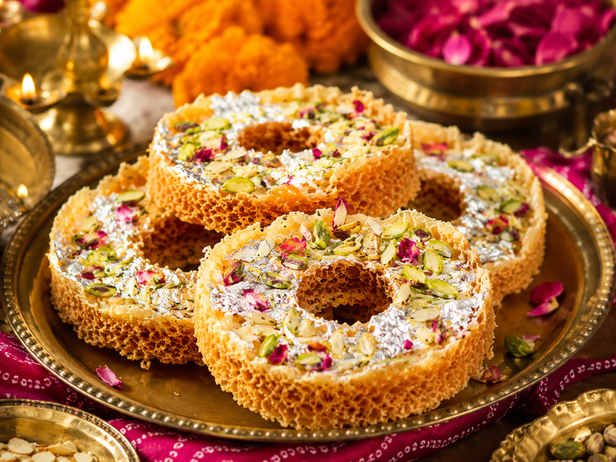
Making Ghewar is not a small process or an easy one. It takes the right time, weather, skills and patience to make it. Batter of Ghewar is poured little by little into hot ghee. As each layer cooks, it creates tiny holes that give Ghewar a little crispy and crispy texture. Many halwais believe the moisture in air during the monsoon helps the sweet turn out the way they want. The dryness in the air does not allow the sweet to get the texture. That’s why some people make it only during the rainy season.
It is Linked to the Monsoon for Years
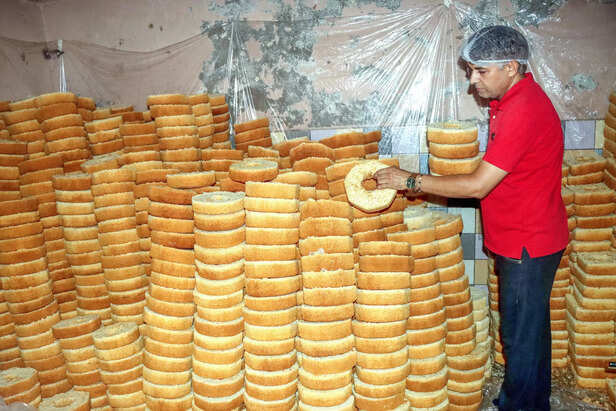
A worker arranges the Ghewars at a sweet shop, in Rohtak on Saturday.
According to the season, our eating habits also change. Ayurveda says, during the monsoon some people have digestion related problems. People choose to eat food at this time which suits well and gets digested easily. Ghewar is a sweet but as it is made up with the ingredient ghee and chilled water it makes it healthy for this season. Maybe because of that some people eat it and pass this tradition over generations as well.
More Than A Sweet
In India for some families Ghewar is not just a sweet but it’s an emotion. It always reminds them of shopping memories before Raksha Bandhan, and coming home and opening the fresh Ghewar box and eating together. It’s a part of their monsoon and its memories.
The Festivals Make it More Memorable
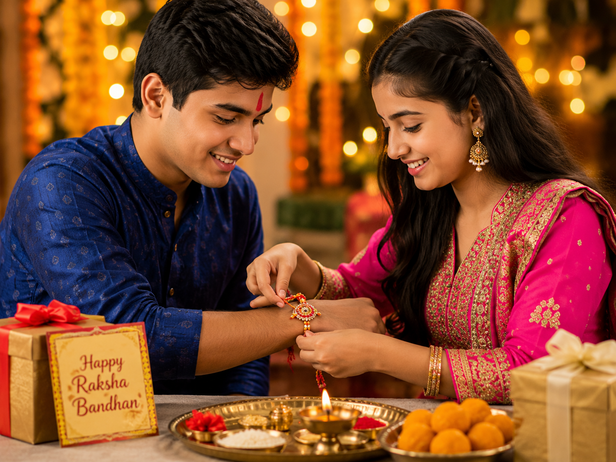
Ghewar adds more memory in the festivals
If there were no festivals like Teej and Raksha Bandhan, Ghewar would not be that famous. In so many cultures, married girls come to their father's house during Teej and in return while going back their parents send gifts and a box of Ghewar with them. It’s just a tradition that shows love and emotion. After Teej, Raksha Bandhan comes and again Ghewar finds a way in Indian families. People eat and give gifts to their loved ones.
Ghewar is one of the sweets that only belongs to the season. It’s a tradition that passed down by generations. The next time you buy Ghewar you will be aware of the reason why it is only found in monsoon only.
Unlock insightful tips and inspiration on personal growth, productivity, and well-being. Stay motivated and updated with the latest at My Life XP.
Frequently Asked Questions[FAQs]
-
Where did Ghewar originate?
Ghewar is a traditional sweet from Rajasthan, with roots that go back to the medieval era. It has since spread to states like Delhi and Uttar Pradesh, but Rajasthan is still seen as its true home.
-
How is Ghewar made?
It is made by mixing flour with ghee, then adding chilled water to form a thin batter. This batter is poured in a thin stream into hot ghee inside a round mold, where it puffs up into a crisp, latticed disc.
-
How long does Ghewar stay fresh?
Plain ghewar without cream or rabri toppings can stay fresh for around a week if stored properly. Once malai or rabri is added, it should be eaten within a day or two and kept refrigerated.
-
Which cities are famous for the best Ghewar?
Jaipur is considered the top destination for authentic Ghewar, with many old, well known sweet shops. Delhi and other North Indian cities also see high demand and fresh batches during Sawan.