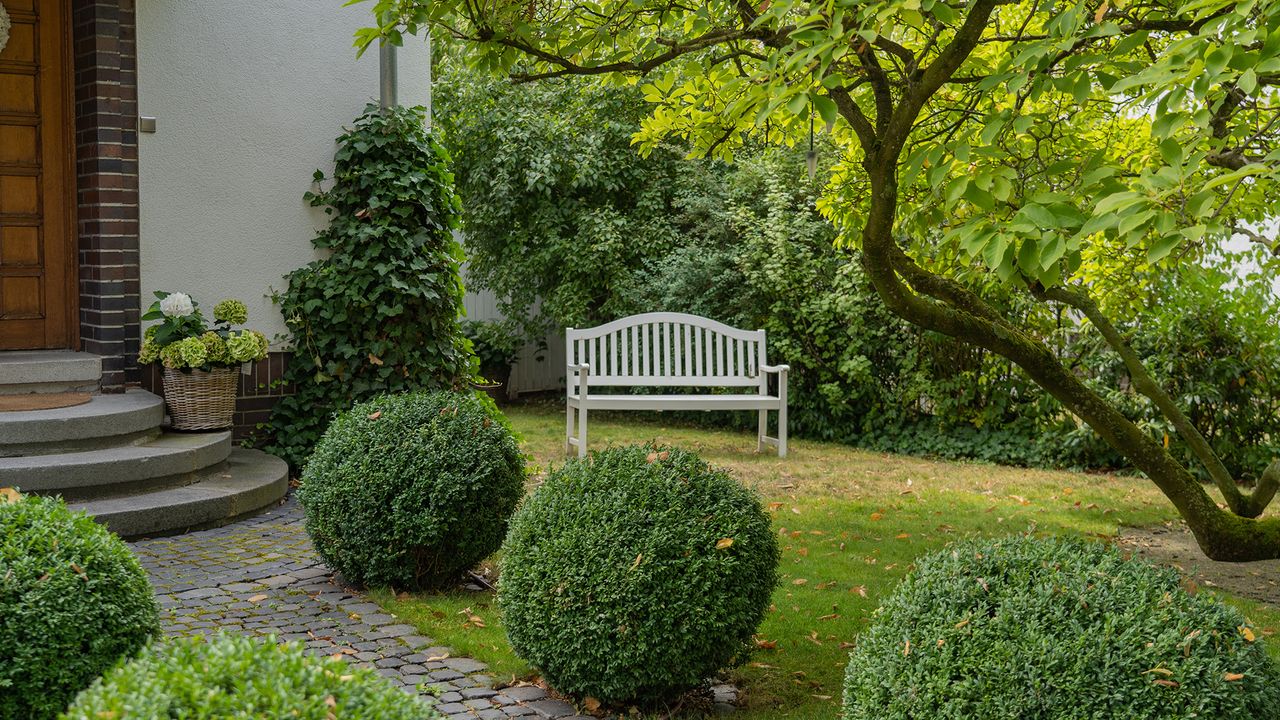
Boxwood has its place in formal gardens; it’s the perfect shrub for a neat, compact hedge or for growing and shaping into intricate ornamental structures. I’m not artistic enough to try topiary, but I do appreciate how boxwood’s dense form lends itself to this ancient horticultural practice.
I’ve never grown a boxwood in my garden, but I have a few neighbors who have planted boxwood hedges in their front yards. While some remain, they’ve all succumbed to box blight or box tree caterpillar — the biggest pest problems that affect this shrub.
Once infected, suddenly, that elegant, lush green hedge turns a shade of brown, leaving the shrub with large bare patches where the leaves and branches have withered.
But there is an attractive alternative shrub that still provides a neat look without the risk of disease, and it’s easier to grow. Inkberry holly, or Ilex glabra, is the answer.
Inkberry holly
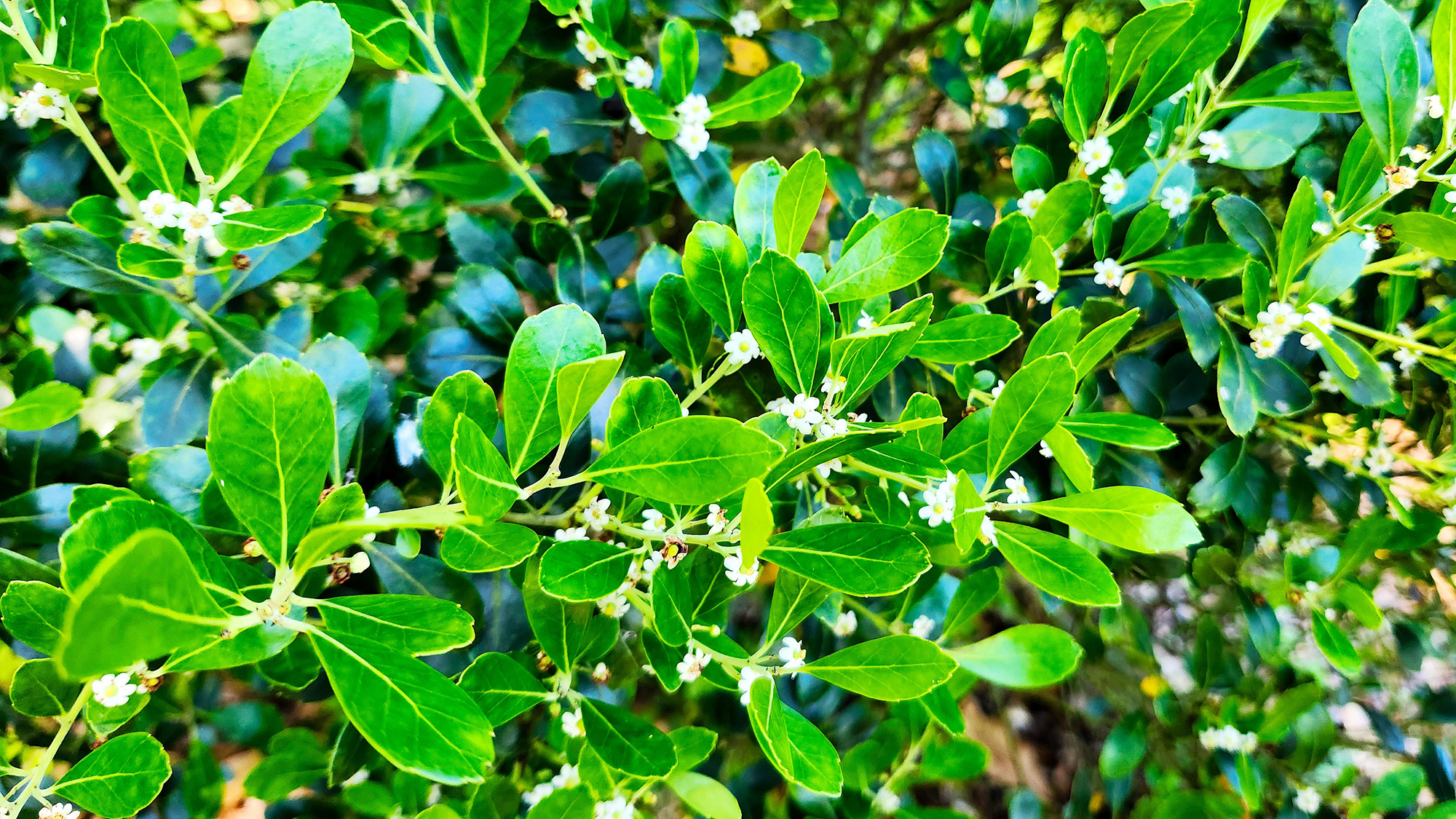
If you’re looking to replace your diseased boxwood or planning a new hedge, Inkberry holly is an excellent alternative. It’s a member of the holly family, but rather than donning spiky leaves, it takes a softer form, with oval-shaped, glossy dark green leaves. It’s another example of a plant that can be swapped for an alternative, just like viburnums can replace hydrangeas.
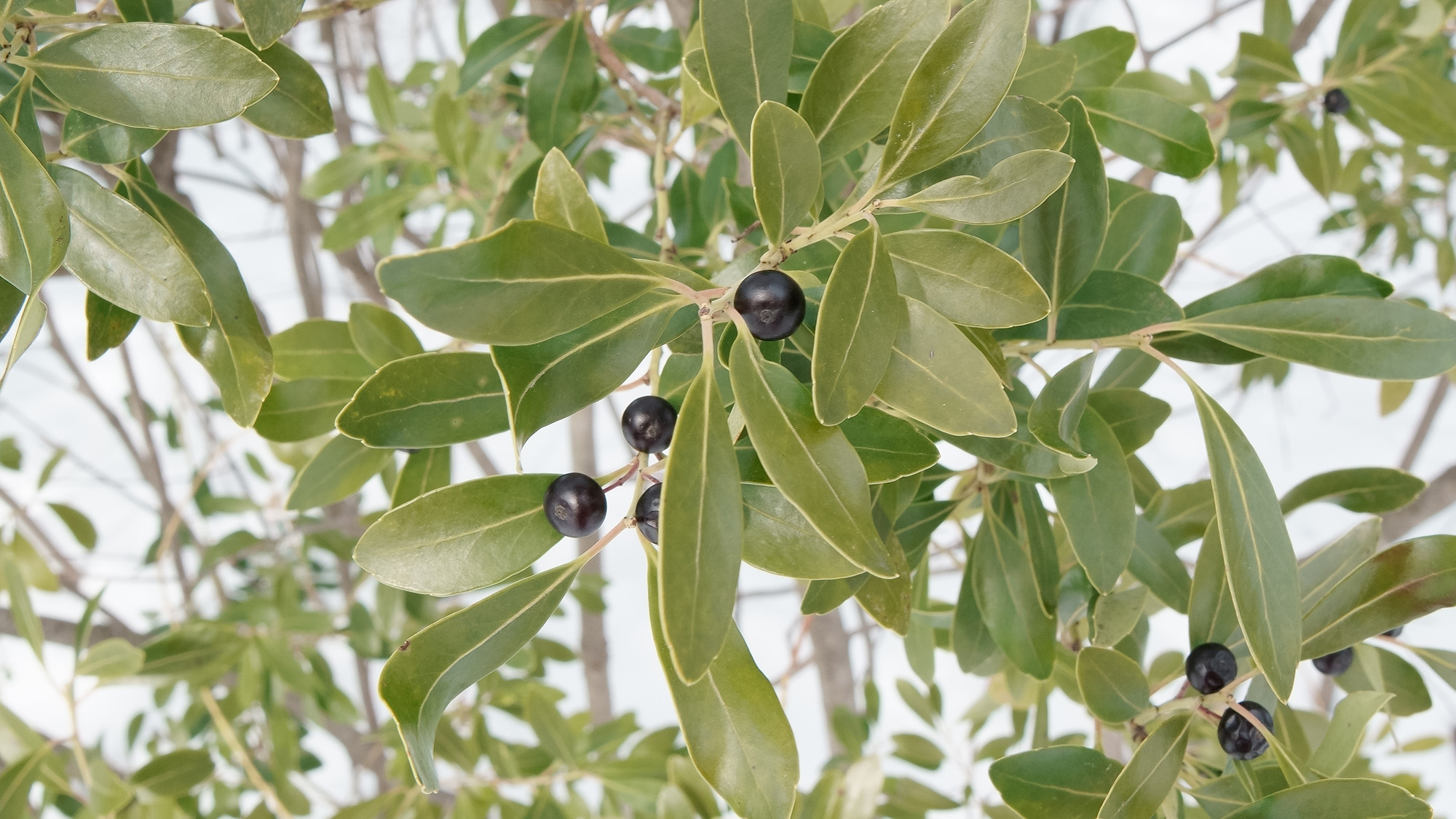
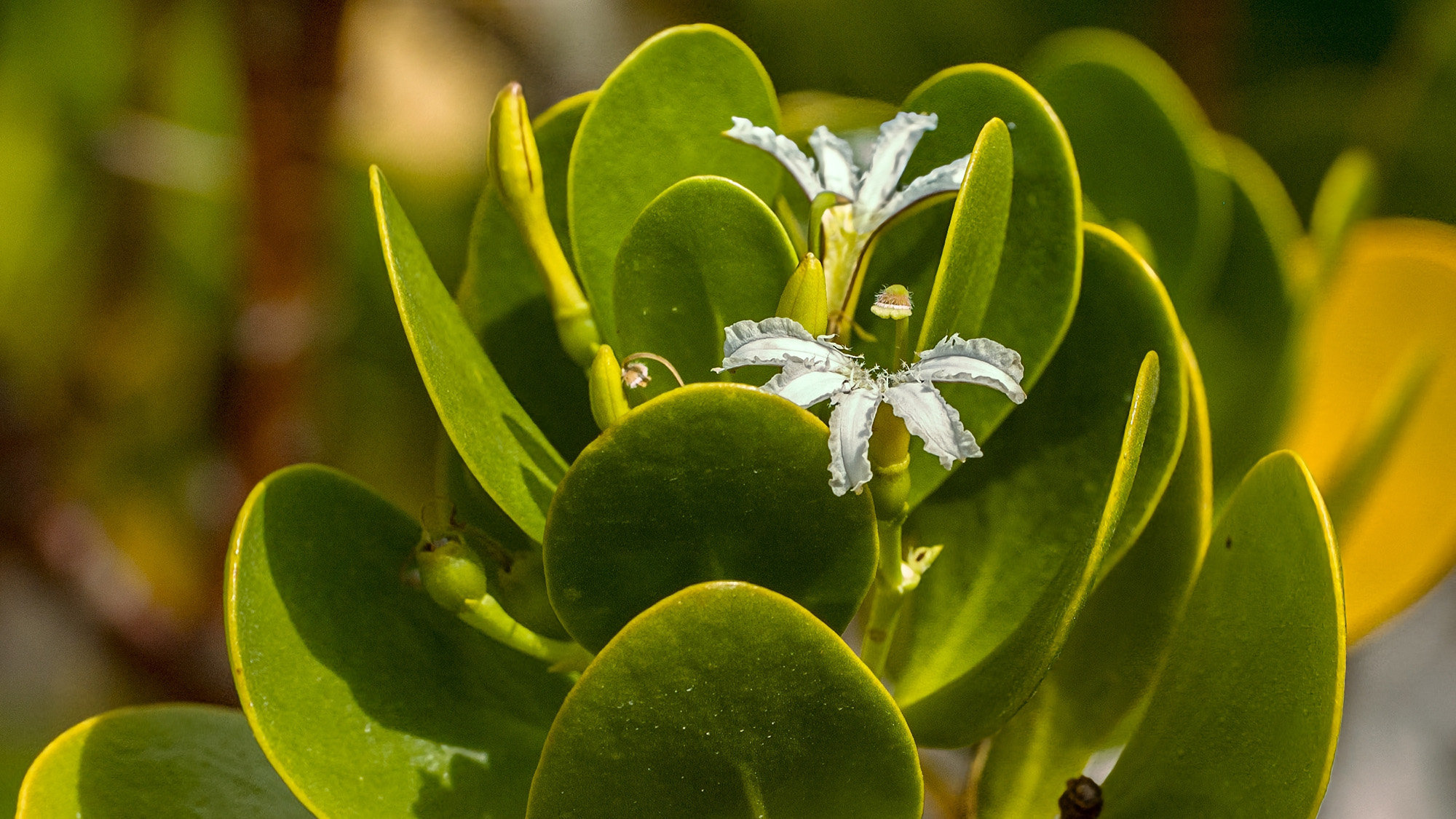
What’s more, rather than boxwood, which stays the same throughout the seasons, inkberry holly changes. In spring, small white clusters of flowers appear on male and female plants, followed by small black berries on female plants in the fall. However, for the berries to appear, the female plant needs to be pollinated by a male one.
Supporting wildlife
Another good reason to plant inkberry holly is that you’ll be supporting wildlife. The black-purple berries, which grow on the female plants, are an energy source for birds and small mammals when other food is scarce during fall and winter.
In the springtime, its white flowers are also a magnet for pollinators, including bees and other insects. While the evergreen shrub provides year-round shelter for wildlife, protecting them from the weather and predators.
The best conditions for Inkberry holly to thrive
This shrub is easy to grow and will tolerate a range of soils and growing conditions in USDA zones 4-9. It especially favors consistently moist acidic soils in full or part sun. What’s more, it’s not a challenge to grow and has no serious disease or insect problems that confront its more formal counterpart, boxwood.
Inkberry holly has a more relaxed nature than boxwood, but once planted, it won’t need much care apart from an annual prune to keep it in good shape and to promote new growth. You can prune it in late winter or early spring, before new growth appears, to prevent the plant from getting leggy.
The best varieties to grow
Dwarf varieties
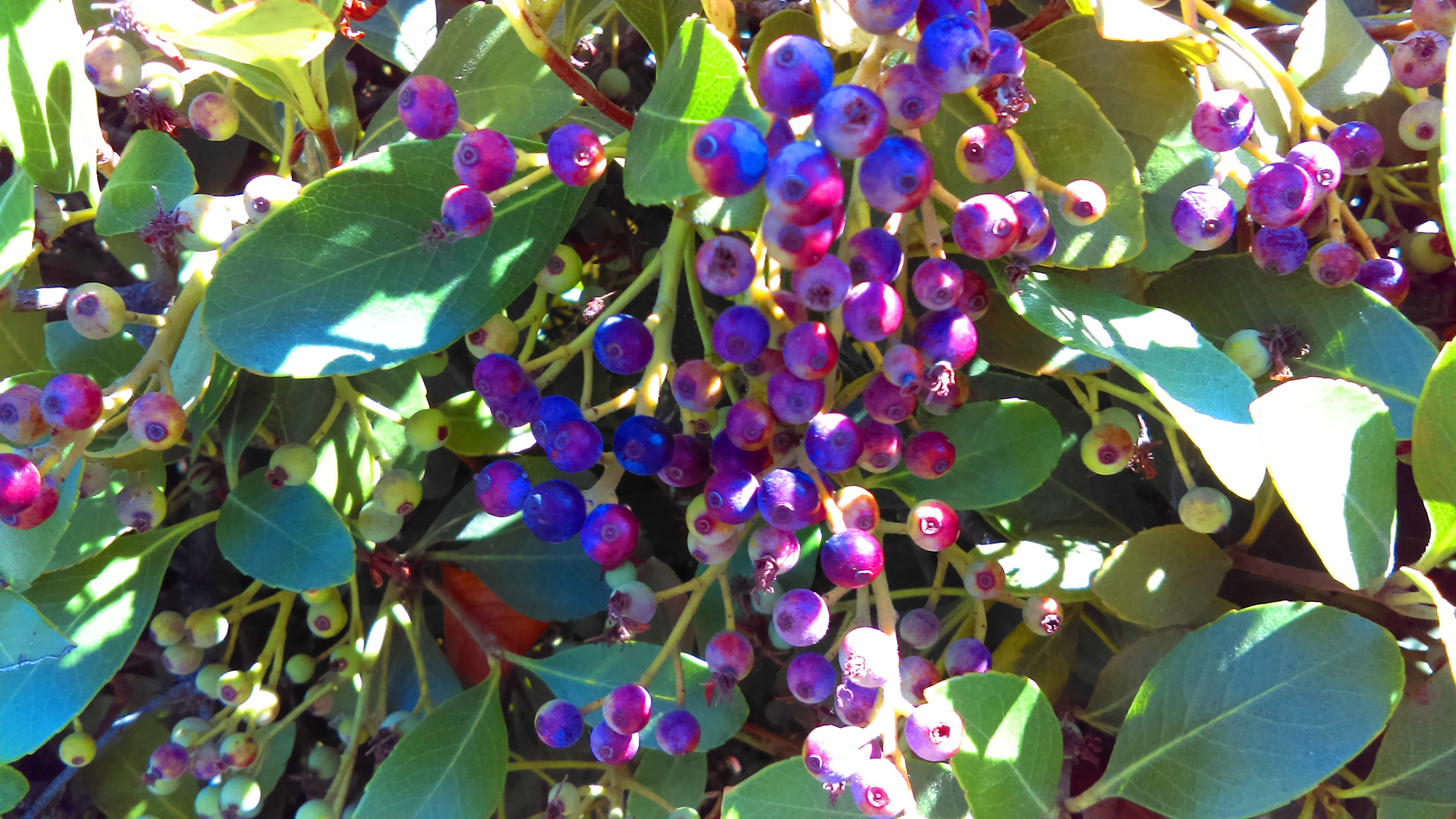
If you’re looking for a shrub to replace formal boxwood hedging, choose a dwarf variety. ‘Gem Box’ is a female plant with very small leaves that resemble boxwood, making it suitable for topiary. ‘Strongbox’ is another female variety that is suitable for formal hedging, which grows 2 to 3 feet tall and wide. For a male version, choose ‘Squeeze box’.
Top tip
If you want berries, ensure you place a male variety near a female plant.
Other Inkberry holly to consider
‘Compacta’ — is a mid-sized variety that is more compact and shorter than other inkberry species, and it can become leggy at the base.
‘Densa’ — expect this variety to reach 4 to 6 feet, making it a good privacy hedge. Its leaves are wider and rounder than those of ‘Shamrock’.
'Shamrock' — a rounded shrub with upright leaves that grows to 4 to 6 feet tall and 4 to 5 feet wide. It has a dense, bushy appearance.
Gardening essentials we love