
The cereal aisle used to be a place of comfort and consistency, but lately it has become the epicenter of customer frustration. Shoppers are picking up their favorite boxes and noticing something feels wrong. The box might look the same height, but it feels lighter. The cardboard is thinner. The price is higher. And when they open the bag, the contents barely fill half the box. This is not a manufacturing error. It is a calculated shift by food companies to maintain profits in the face of rising costs. The era of the substantial, family-friendly cereal box is ending, replaced by a new strategy of illusion, filler, and shrinkflation that has consumers feeling cheated before they even pour the milk.
The Illusion of the Skinny Box
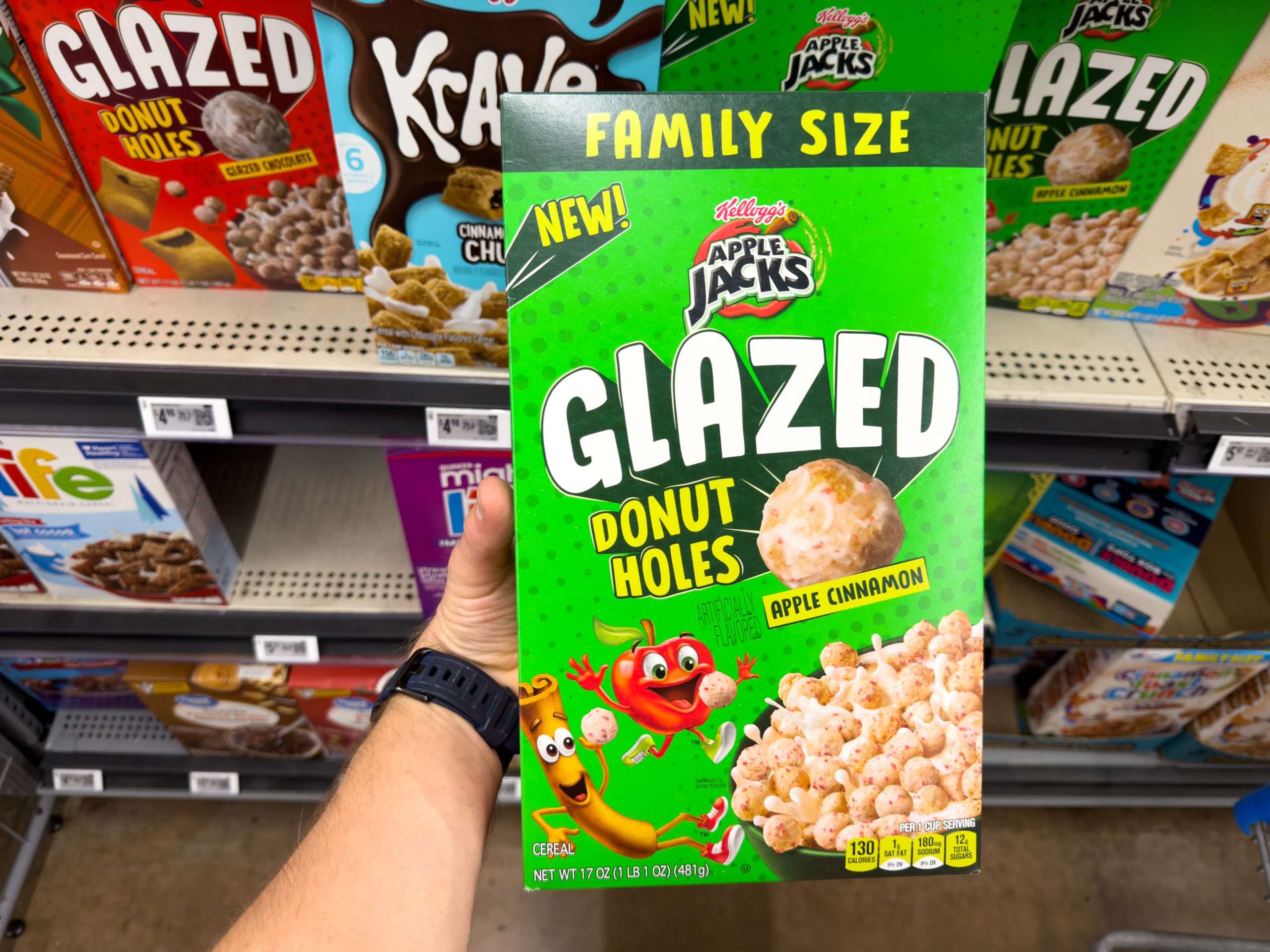
The most obvious visual trick in the aisle is the changing shape of the package. Manufacturers have mastered the art of shelf psychology. They know that consumers judge value primarily by height and width, facing forward on the shelf. To cut costs without changing the visual footprint, companies have significantly reduced the depth of the box. The box appears just as large as it always did when viewing it from the front, but turn it sideways, and it is barely an inch thick. This “skinny box” strategy allows brands to drop the net weight by several ounces while maintaining the same shelf presence, tricking the eye into seeing the same volume of food.
The Rise of Puffed Ingredients
Changes are happening inside the bag as well. To fill these new, lighter boxes without them feeling empty, recipes are being subtly tweaked. There has been a noticeable increase in the usage of puffed grains and aerated textures. By expanding the surface area of the flake or the loop, manufacturers can fill the physical space of the bag with less actual mass. A cup of cereal today weighs less than a cup of the same cereal did ten years ago because the product itself contains more air. This results in a bowl that looks full but leaves you hungry an hour later, forcing you to consume more servings and buy boxes more frequently.
The Distraction of Weird Collaborations
Another tactic to mask value reduction is the flood of novelty flavors. The cereal aisle is now populated by bizarre collaborations, from candy bar flavors to spicy cinnamon challenges and movie tie-ins. These “limited edition” runs serve a specific financial purpose. They create a sense of novelty that distracts from the price-per-ounce calculation. When a shopper sees a new, exciting flavor, they are less likely to compare its weight to the standard box next to it. These novelty boxes are almost universally smaller and more expensive than standard flavors, conditioning shoppers to accept less product for a premium price.
The Disappearance of the Standard Size
The concept of a “standard” box is vanishing. We are moving toward a polarized shelf where only two options exist: the tiny, single-serving “convenience” cup or the massive “Mega Family” size. The middle ground is being erased. The 12-ounce box that used to be the norm is now hard to find or priced so inefficiently that it makes no sense to buy. This forces shoppers to trade up to the massive, expensive boxes to get any perceived value. It eliminates the budget-friendly middle option, pushing the average transaction price higher and forcing families to buy bulk quantities they might not have storage space for.
The Granola Shift
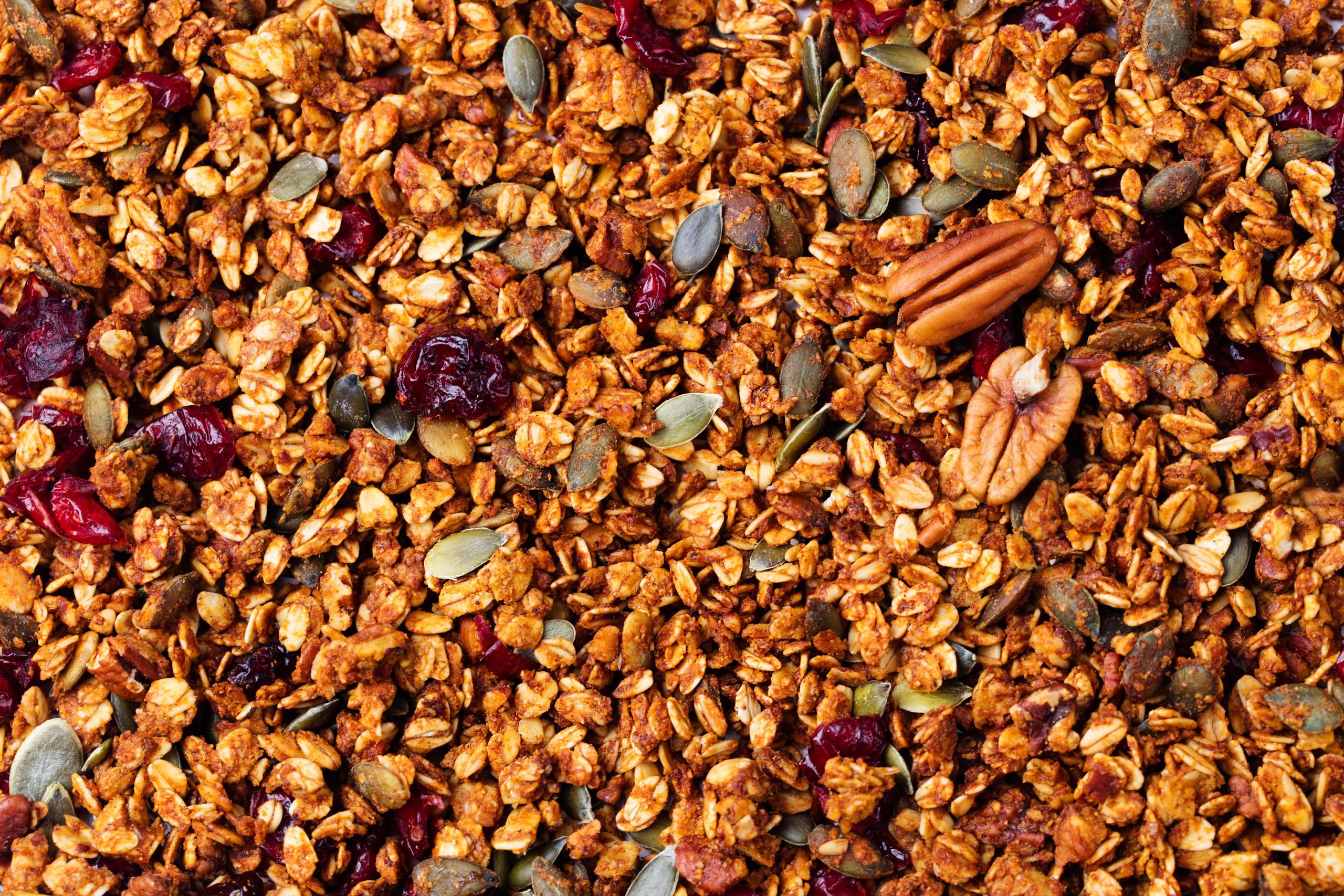
This trend is even more aggressive in the “healthy” cereal sector. Brands that market themselves as granola or muesli have transitioned almost entirely from boxes to resealable plastic pouches. While the pouch looks modern and premium, it is a stealthy way to reduce volume. These bags often sit at an angle on the shelf, making it difficult to judge their actual size. They typically contain far fewer servings than a traditional box, yet they command a higher price point due to their “premium” packaging. The switch to pouches effectively reset consumer expectations, allowing brands to sell 10 ounces of oats for the price of a previous 16-ounce box.
A New Reality for Breakfast
The breakfast table has become a battleground of value. The days of grabbing a box off the shelf and trusting it to last the week are over. Shoppers must now be vigilant detectives, ignoring the height of the box and the excitement of the new flavors to focus strictly on the net weight printed in the corner. Until consumers stop rewarding these tactics with their purchases, the boxes will likely continue to get thinner, lighter, and full of air.
What to Read Next
- 13 Breakfast Drinks That Waste Money Without Filling You Up
- 9 Frozen Breakfast Foods That Save Mornings
- 9 Breakfast Items That Deliver No Real Nutrition
- 6 Breakfast Drinks That Overpromise and Underdeliver
- 9 Frozen Breakfast Foods That Save Mornings
The post Why Everyone Is Complaining About the New Size of Cereal Boxes appeared first on Grocery Coupon Guide.