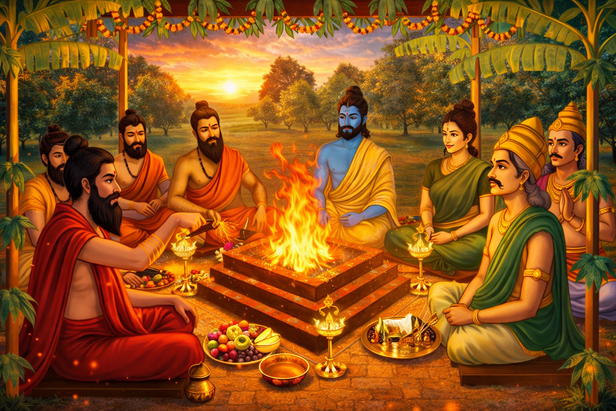
Every time a havan is performed, one word echoes again and again Swaha.” Most people say it without thinking. But what if this one word is the most important part of the entire ritual? What if, without it, even the gods cannot receive your offering? It sounds unbelievable almost impossible. Yet, ancient wisdom tells a story so powerful that it changes how you see every fire ritual forever. Because “Swaha” is not just a sound. It is a bridge between humans and the divine.
When Offerings Never Reached the Gods
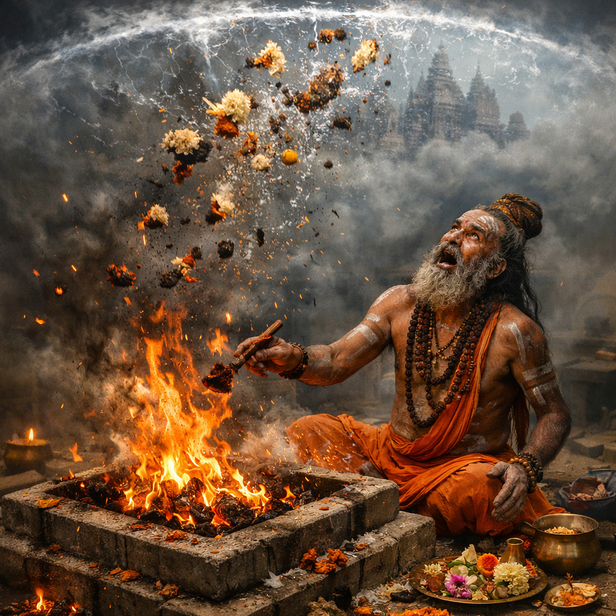
There was a time when humans performed countless havans. Fire burned high. Mantras filled the air. Offerings were made with devotion. But something strange happened. Nothing reached the gods. Despite all rituals, the heavens remained silent. The gods grew weak, their energy fading. It wasn’t a lack of devotion it was a missing connection. The problem was simple yet shocking. The fire could burn the offering but it had no power to deliver it. Without a medium, every offering was lost in flames. And that changed everything.
The Problem Even Gods Couldn’t Solve
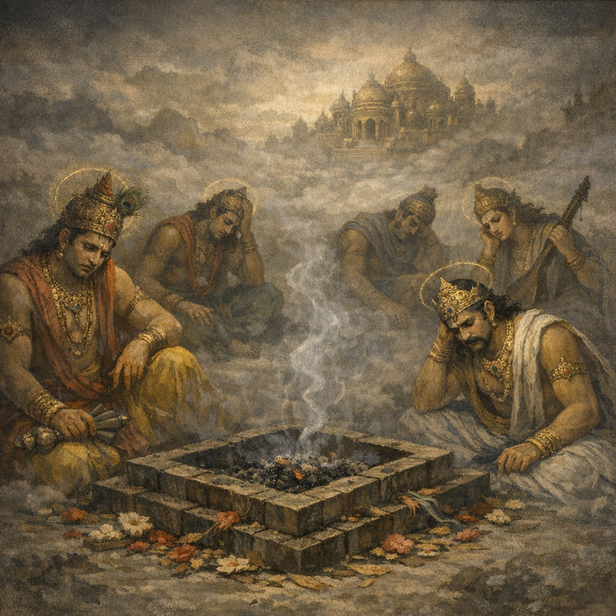
The gods themselves were helpless. Indra and other devas felt their power fading. Without receiving offerings, their strength began to decline. They approached the Trimurti, seeking answers. The truth revealed was unsettling. Fire, or Agni, could consume offerings but it couldn’t carry them to the divine realm. It was never designed to deliver. This meant every ritual was incomplete. And unless a solution appeared even the gods could not survive.
The Birth of a Divine Messenger
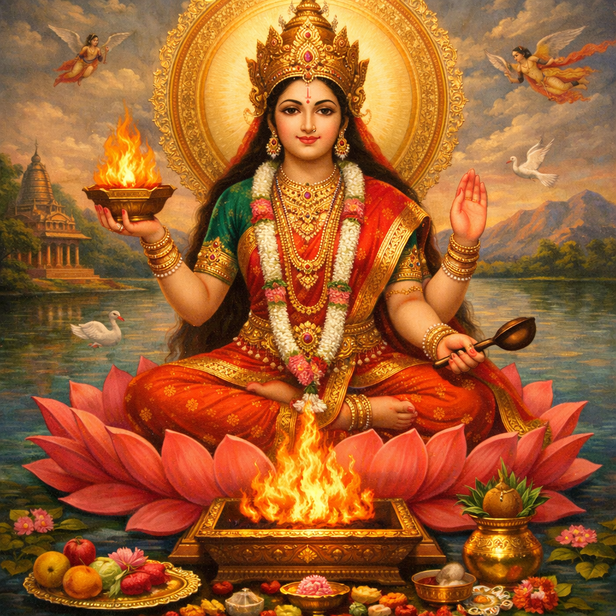
In response to the crisis, a powerful energy manifested. From the cosmic realm emerged Swaha a radiant, compassionate goddess.
She was not just divine. She was the missing link. Her purpose was clear to carry every offering made in fire directly to the gods.
To complete this divine connection, she was united with Agni. From that moment, everything changed. Now, offerings didn’t just burn. They reached their destination. And the heavens came alive again.
Why “Swaha” Is Not Just a Word
When you say “Swaha” during a havan, you are not just completing a chant. You are invoking the presence of Swaha. It is believed that she accepts the offering and delivers it to the gods. Without this invocation, the ritual remains incomplete. Think of it like this Fire is the medium Offering is the message. Swaha” is the delivery system. That’s why every mantra ends with it. Because without “Swaha” the connection is never fully made.
A Simple Ritual, A Powerful Meaning
Imagine someone performing a havan with full devotion. They offer ghee, grains, and prayers but forget to say “Swaha. The ritual looks complete from the outside. But internally, something is missing. Now imagine another person, with simple offerings but deep awareness, chanting “Swaha” with understanding. The difference is not in what they offer but in how they connect. Because rituals are not about quantity. They are about intention and the right invocation. And that’s where true power lies.
How to Perform Havan with Awareness
Next time you perform a havan, slow down. Understand each step. When you say “Swaha,” don’t rush it. Feel its meaning. Recognize it as an invocation, not just a word. Focus on your intention. Offer with clarity, not habit. Because rituals are powerful only when done with awareness. And when you truly understand “Swaha” your connection with the divine becomes deeper, stronger, and more meaningful.
Unlock insightful tips and inspiration on personal growth, productivity, and well-being. Stay motivated and updated with the latest at My Life XP.
Frequently Asked Questions (FAQs)
1. What does “Swaha” actually mean in a havan?“Swaha” is an invocation that signifies offering something to the divine. It is believed to call upon Swaha, who carries the offering to the gods through fire.
2. Why is saying “Swaha” important during rituals?
Without saying “Swaha,” the offering is considered incomplete. It acts as the final step that symbolically delivers the offering from the physical world to the divine realm.
3. Who is Devi Swaha?
Swaha is regarded as the divine consort of Agni and the sacred force that enables offerings to reach the gods.
4. What happens if “Swaha” is not said during a havan?
Traditionally, it is believed that the offering remains incomplete and does not reach the intended divine energies.
5. Is “Swaha” only used in havan rituals?
Primarily, yes. It is most commonly used in fire rituals where offerings are made into the sacred fire.