When a person collapses in a shopping centre or experiences chest pain at work, the next few minutes can mean the difference between life and death. Yet across much of the world, the gap between when an emergency occurs and when professional medical help arrives continues to widen - placing greater emphasis on the tools and training available in those critical first moments.
As healthcare systems face mounting pressure and emergency response times stretch longer in many regions, the role of accessible medical equipment in non-hospital settings has become increasingly vital. This shift isn't just about technology - it's about reimagining how communities, workplaces, and public spaces can become active participants in emergency care.
The First Few Minutes Can Determine Outcomes
Medical research has long established that survival rates in cardiac emergencies decline rapidly with each passing minute. When someone experiences sudden cardiac arrest, their chance of survival drops by approximately 10 per cent for every minute without intervention. After ten minutes without defibrillation or CPR, survival becomes increasingly unlikely.
This narrow window creates a fundamental problem: even in well-resourced urban areas, average ambulance response times often exceed eight minutes. In regional and remote communities, delays can stretch to 30 minutes or more. The implication is stark - by the time professional help arrives, the opportunity for intervention may have already passed.
Early intervention before hospital care doesn't just improve survival odds; it can dramatically reduce the severity of long-term complications. Brain damage from oxygen deprivation, tissue death, and organ failure all accelerate during these crucial minutes. The presence of trained bystanders and appropriate equipment—from portable defibrillator machines to basic assessment tools—can interrupt this progression, buying time and preserving function.
How Medical Devices Support Faster Response
The growing deployment of automated external defibrillators in airports, schools, sports facilities, and office buildings reflects a broader recognition that emergency response cannot rely solely on ambulance services. These devices, designed for use by minimally trained individuals, have democratised access to an intervention once available only to paramedics.
Modern portable defibrillator machines analyse heart rhythms and deliver shocks only when appropriate, removing much of the decision-making burden from bystanders. Their portability and intuitive design mean that a shop attendant, teacher, or office worker can initiate treatment within seconds rather than minutes. Studies consistently show that communities with widespread defibrillator access achieve significantly higher survival rates from out-of-hospital cardiac arrests.
But accessibility alone isn't enough. Devices must be maintained, their locations must be known, and people must be willing to use them. Public awareness campaigns and basic training programmes have become essential companions to equipment placement, transforming these tools from symbolic gestures into functional safety infrastructure.
Frontline Assessment Starts with the Basics
While automated devices handle certain emergencies, many medical situations require human assessment and clinical judgement. First responders, workplace health officers, and community health workers often serve as the first line of medical evaluation—and their effectiveness depends heavily on reliable diagnostic tools.
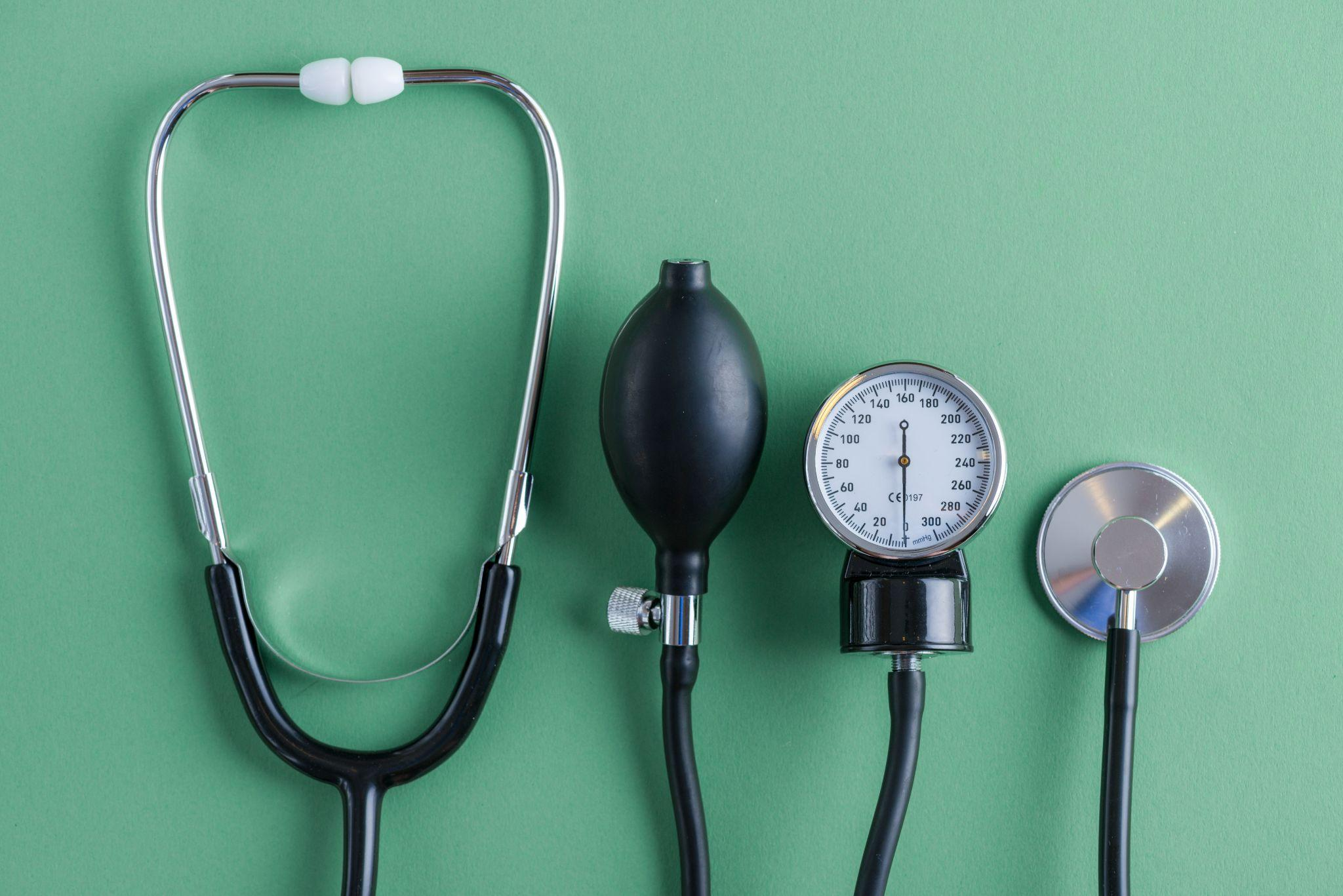
Clinical stethoscopes remain fundamental instruments for initial assessment, allowing trained users to detect irregular heartbeats, breathing difficulties, and circulatory problems quickly. These simple yet essential tools provide immediate insight into a patient's cardiovascular and respiratory status, often revealing problems that aren't yet visible to the naked eye.
When combined with comprehensive diagnostic sets—including blood pressure monitors, thermometers, pulse oximeters, otoscopes, and ophthalmoscopes - stethoscopes enable basic triage that can determine whether someone needs immediate emergency transport or can be monitored while waiting for help. The integration of these diagnostic sets into workplace first aid kits and community health centres has significantly improved the quality of initial medical assessments outside hospital settings.
The emphasis on early diagnosis extends beyond emergencies. In remote communities with limited healthcare infrastructure, portable diagnostic equipment allows local health workers to identify conditions that might otherwise go undetected until they become critical. This preventive dimension of accessible medical tools often receives less attention than emergency response, but its impact on community health outcomes can be equally significant.
Accessibility Beyond Hospitals
The decentralisation of medical equipment represents a fundamental shift in how societies approach healthcare readiness. Rather than concentrating resources solely in hospitals and ambulances, there's growing recognition that strategic placement of basic medical tools throughout communities creates a more resilient health ecosystem.
This shift has created demand for suppliers who can provide reliable equipment suitable for non-clinical settings. Established distributors like AMA Medical Products have responded to this market need, offering devices designed for durability, ease of use, and minimal maintenance—characteristics essential for equipment that might sit unused for months before being needed in a crisis.
The range of equipment now commonly found in non-hospital settings has expanded considerably. Beyond defibrillators, workplaces and community centres increasingly stock portable oxygen systems, blood glucose monitors, and complete first responder kits. Suppliers such as AMA Medical Products often provide consultation services to help organisations determine which equipment best suits their specific risk profiles and user capabilities.
The regulatory environment has adapted alongside this trend. Many jurisdictions now mandate defibrillator placement in buildings above certain sizes, require first aid equipment in workplaces, and provide tax incentives for organisations that invest in emergency preparedness. These policies reflect an understanding that public health infrastructure extends well beyond hospital walls.
However, questions remain about equity of access. While wealthy urban areas and large corporations readily invest in comprehensive medical equipment, smaller organisations and disadvantaged communities often lack resources for similar preparedness. Addressing these disparities remains an ongoing challenge for policymakers and public health advocates.
Why Preparedness Is a Shared Responsibility
The proliferation of accessible medical devices challenges traditional boundaries between professional healthcare and community responsibility. When a defibrillator hangs on an office wall or diagnostic sets sit in a rural clinic, someone must take ownership—ensuring maintenance, training users, and fostering a culture where intervention is expected rather than exceptional.
This distributed model of emergency readiness only works when supported by education, clear protocols, and legal protections for those who intervene in good faith. Good Samaritan laws in many jurisdictions provide legal immunity for bystanders who attempt to help during emergencies, removing a significant barrier to action.
Yet preparedness shouldn't be confused with self-sufficiency. These tools and training programmes exist to bridge the gap until professional care arrives, not to replace it. The goal isn't to turn every workplace into a clinic, but to ensure that when seconds count, basic life-saving measures are possible.
As medical emergencies continue to challenge response systems worldwide, the question isn't whether accessible medical equipment matters—the evidence overwhelmingly confirms it does. Rather, the question is how societies can ensure that access is truly universal, that training keeps pace with equipment placement, and that the promise of early intervention becomes a reality for everyone, regardless of where an emergency strikes.
7 Essential Medical Devices That Save Lives Outside Hospitals
Understanding which medical tools make the most difference in non-clinical settings can help communities and organisations prioritise their emergency preparedness investments.
- Automated External Defibrillators (AEDs)
These devices have become ubiquitous in public spaces for good reason. Portable defibrillator machines analyse heart rhythms automatically and provide voice-guided instructions, making them usable by anyone regardless of medical training. Modern AEDs can be operated effectively after just minutes of familiarisation, and their presence in workplaces and community centres has been credited with saving thousands of lives annually.
- Pulse Oximeters
These small clip-on devices measure blood oxygen levels and heart rate within seconds. During the COVID-19 pandemic, pulse oximeters gained widespread attention for their ability to detect dangerous oxygen desaturation before symptoms became severe. First responders use them to quickly assess whether someone needs urgent transport or can be safely monitored. As part of comprehensive diagnostic sets, they provide crucial data that helps determine the severity of respiratory and cardiac conditions.
- Blood Pressure Monitors
Automated blood pressure cuffs allow non-medical personnel to gather vital information during emergencies. High or low blood pressure readings help emergency services prepare appropriate interventions before arrival, and in routine workplace health programmes, these monitors enable early detection of hypertension that might otherwise go unnoticed.
- Clinical Stethoscopes
While often associated with doctors, these instruments serve as invaluable tools for trained first responders and workplace health officers. Quality stethoscopes enable rapid assessment of heart and lung function, helping differentiate between conditions that require immediate emergency transport and those that might be managed with basic first aid while waiting for professional evaluation. They remain one of the most cost-effective diagnostic tools available for early medical assessment.
- Diagnostic Sets with Otoscopes and Ophthalmoscopes
These comprehensive kits allow trained users to examine ears, eyes, and throats—particularly valuable in remote locations where accessing medical facilities requires significant travel. Community health workers use these diagnostic sets to identify infections, injuries, and other conditions early, often preventing minor issues from becoming medical emergencies. The portability and reliability of modern diagnostic equipment has made them standard fixtures in schools, aged care facilities, and workplace health rooms.
- Emergency Oxygen Systems
Portable oxygen delivery systems provide critical support for people experiencing respiratory distress, severe allergic reactions, or cardiac events. These systems can sustain someone in crisis during the crucial minutes before paramedics arrive, and are especially important in locations far from emergency services.
- Automated Blood Glucose Monitors
For the millions of people managing diabetes, rapid blood sugar testing can prevent medical emergencies before they escalate. Many workplaces and community centres now keep these monitors on hand, allowing quick assessment when someone shows signs of hypoglycaemia or hyperglycaemia. Early detection and simple interventions—like providing sugar or calling for help—can prevent unconsciousness and more serious complications.
The common thread amongst these devices is accessibility. They're designed to be used by people with basic training rather than medical specialists; they provide rapid results that inform immediate decisions, and they bridge the critical gap between when an emergency occurs and when professional help arrives. As healthcare systems worldwide face increasing strain, these tools represent a practical approach to distributing life-saving capability throughout communities rather than concentrating it solely in clinical settings.