Motorists could be paying more for fuel than they need to, according to the UK’s competition watchdog, after they found profit margins remained “persistently high” and unexplained.
The Competition and Markets Authority (CMA) said that despite prices falling at the pump year-on-year, fuel companies have reported rising profit margins that could not be explained by operating cost pressures - the explanation used by fuel companies.
It added the margins show that competition in the sector is “weak” and therefore pump prices are not coming down as much as they could.
The analysis comes ahead of government plans to introduce a “fuel finder” tool in 2026, allowing drivers to compare real-time fuel prices.
The CMA said it would take action against retailers who do not provide data to the scheme.
Dan Turnbull, senior director of markets at the CMA, said: “Fuel margins remain at persistently high levels – and our new analysis shows operating costs do not explain this.
“This indicates competition in the sector is weak – if it was working well, drivers could see lower prices at the pump.
“We know fuel costs are a big issue for drivers, especially at this time of year with millions making journeys across the country.
“This is why the fuel finder scheme is crucial – it will put power back in the hands of motorists and save households money.”
According to the CMA, prices of fuel have dropped due to falling wholesale costs, with the average price of petrol at 135p a litre between November 2024 and October 2025, down from 143p a litre in the same period the previous year.
The average price of diesel was 142p per litre between November 2024 and October 2025, down from 150p per litre the previous year.
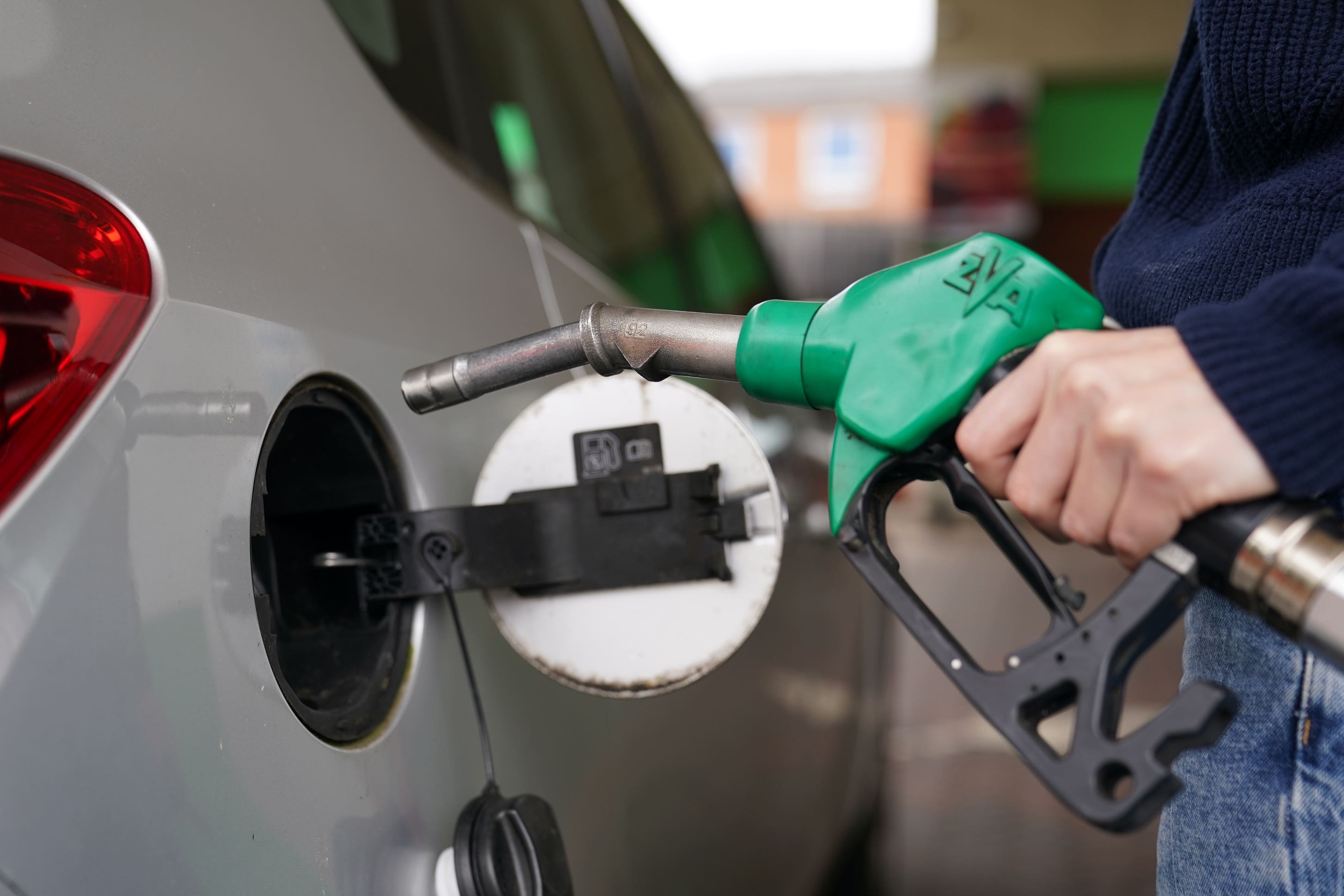
But the profits retailers are making on fuel sales are increasing and remain at historically high levels.
The CMA first warned over the rising profit margins earlier in 2025, but said in its latest report that it does not believe that operating costs are the reason for retailers increasing profit margins, and that competition has not strengthened since its latest market study in 2023.
The AA said while wholesale costs have fallen by more than 7p a litre since the third week of November, the average price of petrol at the pump has dropped by just two-thirds of a penny.
A spokesperson for the AA said: “This is classic ‘rocket and feather’ pricing at the pumps and the bane of UK drivers.
“This time it comes as millions of drivers take to the road for Christmas and are being overcharged for their fuel.”
RAC head of policy Simon Williams added: “Sadly, many drivers won’t be surprised to hear that they’re still paying too much for their fuel, especially judging by the complaints we receive about large price variations from area to area.
“The fuel retailers trade association has claimed that rising operating costs were the reason for average margins on petrol and diesel being higher, but this has now been clearly rejected by the CMA which says these don’t explain why fuel margins remain high compared to historic levels.
“We sincerely hope the new fuel finder scheme, combined with ongoing scrutiny from the CMA, finally leads to increased competition and lower forecourt prices for drivers right across the country.”
UK snow forecast: Met Office gives verdict on white Christmas
January 2026 payment dates for benefits and pensions plus cost of living support
UK car industry ‘on track’ to meet 2025 EV sales target
Activists celebrate animal welfare plans to ban hen cages and pig farrowing crates
Rising prices and no Christmas parties: How pubs are on the brink this festive season
Christmas warning after 100-tonne fatberg discovered in London sewers