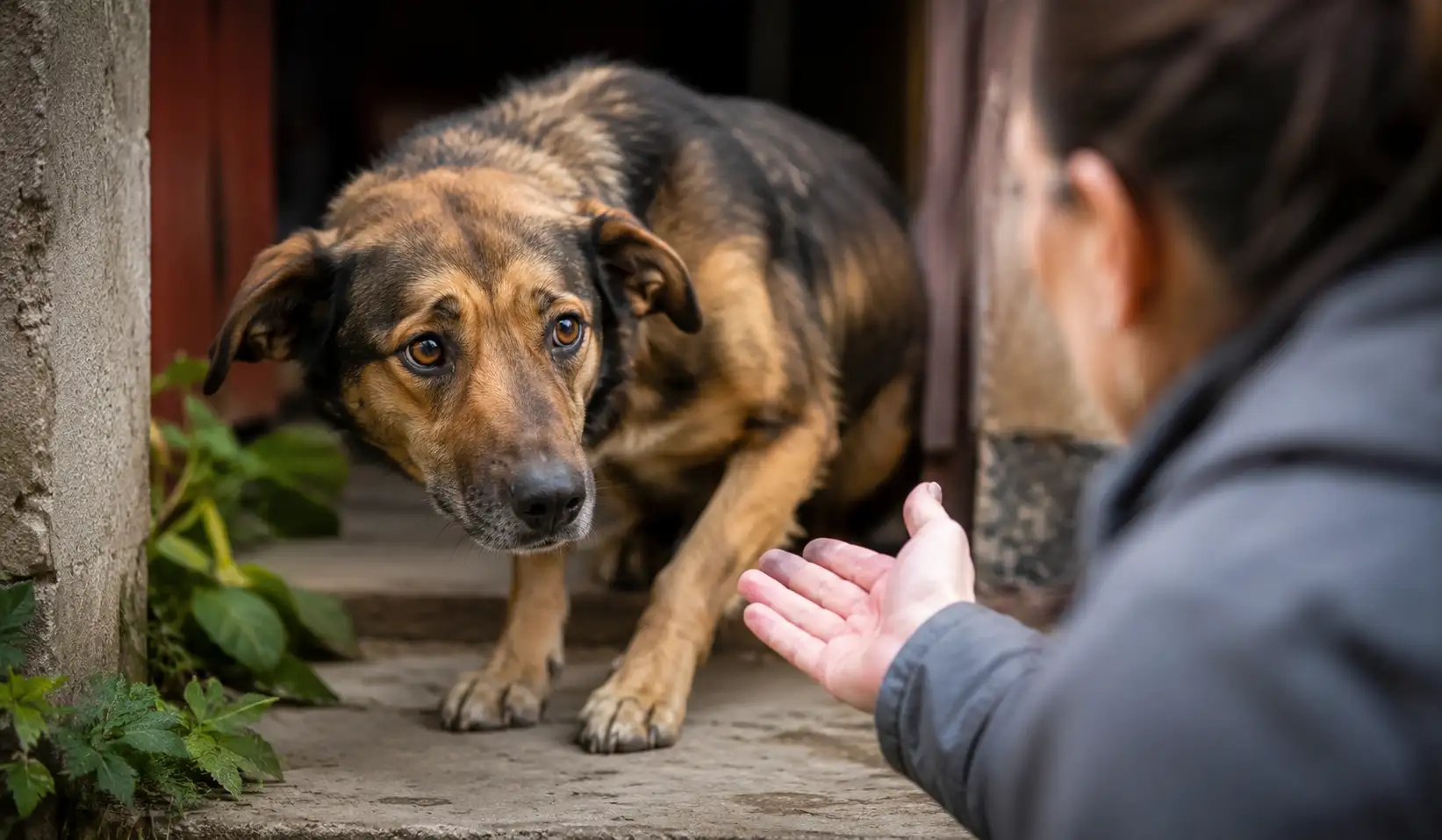
Why does your dog ignore you after coming home? For most pet owners, the moment a missing dog is found feels like the end of a nightmare. But for many families across the United States, the reunion doesn't always unfold the way they imagined. Instead of running into familiar arms with a wagging tail, some dogs appear frightened, confused, or even try to run away again. The behavior can leave owners heartbroken and wondering whether their pet still recognizes them. Animal behavior experts say this reaction is more common than many people realize and is often linked to what rescuers call Lost Dog Syndrome , also known as Missing Dog Syndrome .
Although Lost Dog Syndrome is not an official veterinary diagnosis, it describes a collection of behaviors seen in dogs that have spent days or weeks surviving on their own. During that time, their brains adapt to staying alive rather than maintaining social bonds. Experts say understanding these temporary changes can make a major difference in helping a rescued dog recover emotionally and physically.
Why does a lost dog sometimes avoid the people it loves most?
Many owners assume that once a missing dog spots a familiar face, it will immediately come running. Animal recovery specialists say reality can be very different.