Remember the last time you bought something without a second thought? That impulsive click on an online cart or grabbing a snack on your way home now comes with a twinge of hesitation. Suddenly, every purchase feels like a decision worthy of an intense boardroom meeting. It’s not your imagination—spending really does feel riskier than it used to. The reasons are part psychological, part economic, and entirely fascinating.
From rising costs to the influence of digital shopping, the landscape of spending has shifted in ways that make even the simplest purchase feel loaded with uncertainty. But what exactly is behind this newfound financial anxiety?
Inflation And Economic Shifts Have Changed Our Perspective
One of the biggest culprits behind this feeling is inflation. Prices creep up, sometimes subtly, other times glaringly, and our brains notice more than we realize. A cup of coffee that cost $2 five years ago now rings in at $4, and suddenly the act of paying feels like a gamble. It’s not just about dollars and cents; it’s about the psychology of value. When our money buys less, every decision carries more weight. Even small purchases start to feel like they could tip the balance of a weekly budget.
Economic uncertainty compounds the effect. Job markets fluctuate, investments rise and fall, and global events impact local costs in unpredictable ways. Our brains are wired to seek stability, and when our financial environment feels shaky, even routine spending can trigger a heightened sense of risk.
Digital Spending And Instant Awareness Amplify Anxiety
Online shopping has transformed how we interact with money, but not always in comforting ways. When your bank balance is just a tap away on your phone, each purchase feels immediate and irreversible. This constant visibility can make spending feel riskier because you’re reminded of the cost before, during, and after the transaction.
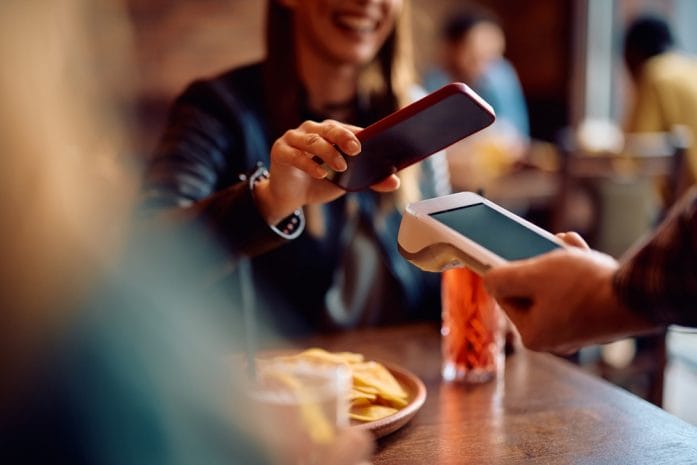
Even contactless payments amplify this effect. Swipe, tap, or scan, and the transaction is instant—but so is the mental accounting. Without the tangible sensation of handing over cash, our brains struggle to register spending in a satisfying, completed way.
Psychological Factors Heighten Our Sense Of Risk
Spending anxiety isn’t just about dollars—it’s about human psychology. Loss aversion, the idea that losing feels worse than gaining feels good, plays a huge role. When you spend money, you’re essentially giving up something tangible for something intangible, and our brains register that as a mini-loss. Combine this with uncertainty about future expenses, and suddenly, every decision feels like high-stakes poker.
FOMO, or fear of missing out, can also backfire. We want the latest gadget or trendy product, but in an environment of rising prices and unpredictable finances, the thrill of ownership is often overshadowed by a lingering dread of overspending.
Reflect On Your Spending Experiences
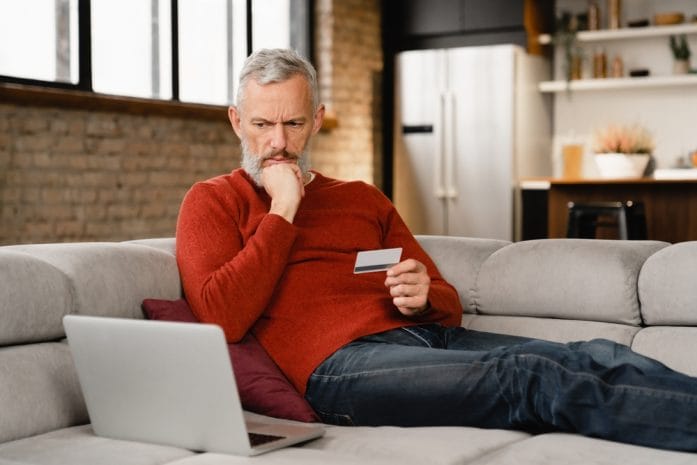
Feeling cautious about spending is completely normal in today’s financial landscape. The combination of inflation, digital payment habits, and deep-seated psychological biases has made each purchase feel more loaded than ever before. Understanding why spending feels risky can help you approach purchases with awareness rather than guilt or anxiety. Take note of the moments when you hesitate and consider what’s driving the feeling—is it a real financial concern or just a psychological quirk?
We’d love to hear your thoughts or experiences with spending in today’s world—what makes you pause before reaching for your wallet?
You May Also Like…
Why Does Spending Turn A Dream Vacation Into A Nightmare?
Why Do People Feel Guilty Spending Money Even on Necessities
8 Grocery Shopping Habits That Make You Spend More Without Realizing It
Why Does Interest Rate Talk Suddenly Affect Everyday Spending
Holiday Trap: 6 Gift-Spending Mistakes That Could Wreck Your Budget
The post Why Does Spending Feel Riskier Than It Used To appeared first on The Free Financial Advisor.