Money moves quietly until someone whispers the magic—or terrifying—words: “interest rates.” Suddenly, everyday spending decisions start feeling monumental. That morning latte feels like a major budget choice. The idea of buying a car seems like launching a rocket.
But why does talk about interest rates have this weird power over our daily lives? Let’s talk about the thrilling, surprising, and sometimes eyebrow-raising connection between central bank chatter and the way you spend, save, and think about money every single day.
How Interest Rates Shape Your Wallet Without You Noticing
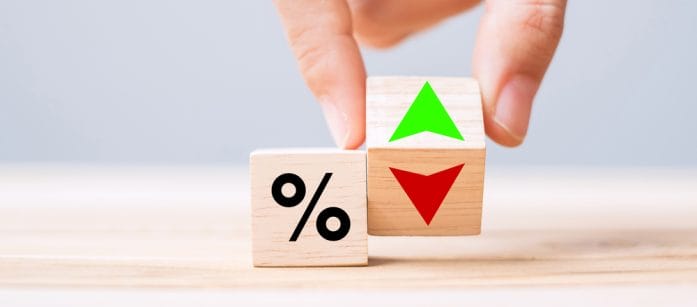
Interest rates are essentially the price of borrowing money. When rates go up, loans cost more. Mortgages, car loans, and credit cards suddenly carry heftier price tags. Even a small rate hike can nudge people to pause before splurging. But the effect goes beyond obvious borrowing; it seeps into your subconscious spending habits. When rates rise, banks pay more to savers, which makes holding onto money slightly more attractive than spending it.
Conversely, lower rates make borrowing cheaper and encourage shopping sprees, bigger renovations, or even impulsive online purchases. It’s like a quiet tug-of-war between spending now and saving for later, and interest rates are the referee.
The Psychological Push Behind Interest Rate Announcements
Human brains love patterns, predictability, and stories. Interest rate announcements tell a story about the economy. If rates are climbing, people assume inflation is on the march, and prices may rise faster than usual. Even if you don’t have a mortgage or a loan, your brain starts factoring in future costs. On the flip side, a rate cut signals easier money and sometimes sparks confidence that spending won’t hurt as much. It’s remarkable how numbers on a chart or a short speech from a central bank can trigger a chain reaction in millions of wallets, grocery carts, and online checkouts. Psychology and economics collide, turning abstract percentages into very real decisions at the supermarket or car dealership.
Everyday Spending That Feels The Interest Rate Effect
You might not think buying a coffee, movie ticket, or new phone is linked to interest rates—but it often is. High rates can make you rethink that big vacation, postpone home renovations, or hesitate on dining out at pricier restaurants. On the other hand, lower rates may encourage a spontaneous upgrade to the latest gadget, an extra night out, or even taking out a small personal loan to consolidate debt. It’s a ripple effect that moves through households in ways economists and behavioral scientists study carefully. Even subtle habits—like choosing to refill a water bottle instead of buying bottled water—can be influenced by the invisible pressure of rising rates. Every little purchase is suddenly weighed against the backdrop of a larger economic climate you might not even consciously notice.
The Media Amplification Factor
News outlets love interest rate stories. Headlines scream, analysts speculate, and social media debates explode. This constant coverage amplifies the impact on everyday spending. People see graphs, charts, and bullet points, and suddenly, the numbers matter more than the items they were planning to buy. It’s one thing to hear “rates rose by a quarter percent,” and another to see it framed as “borrowing just got more expensive!”
The media doesn’t just report; it magnifies perceptions, shaping moods and mindsets. Suddenly, even casual conversations at the water cooler are colored by economic forecasts, making every purchase feel slightly weightier. The buzz surrounding rates often spreads faster than the actual change in the numbers themselves, feeding a cycle of caution—or optimism—depending on the news spin.

The Domino Effect On Major Purchases
Interest rates aren’t just about small, everyday buys—they can derail or accelerate big-ticket decisions. Mortgages, car loans, and student loans all respond directly to rate changes. When rates rise, monthly payments grow, and people might delay moving, buying a new car, or refinancing debt. Companies notice this too, slowing expansions or holding off on new hires.
Conversely, low rates can create spending booms, housing surges, and even unexpected splurges on home improvements. The connection between rates and large purchases is straightforward, but it bleeds into smaller decisions. Even those latte runs or weekend splurges are subtly influenced by the backdrop of big financial moves, creating a ripple effect through the economy.
How Consumers Can Stay Calm Amid Rate Chatter
The secret to thriving in a world where interest rates dominate headlines is perspective. Educating yourself about what rates really mean—and how they actually affect your personal finances—can turn fear into strategy. For instance, understanding that a small rate hike might barely change your mortgage payment can prevent unnecessary panic. Budgeting with flexibility, keeping an emergency fund, and prioritizing goals over hype keeps spending decisions grounded in reality. Remember, the market reacts instantly, but your personal finances don’t need to. A little awareness transforms abstract financial news into practical, everyday wisdom. You regain control instead of letting the numbers dictate moods or purchases.
Your Take On The Rate Rollercoaster
Interest rate chatter might sound boring at first, but its impact is anything but. From tiny coffee decisions to massive purchases like cars or homes, rates influence how we think, feel, and act in ways we rarely notice. The next time you hesitate at the checkout, consider what role the financial headlines are playing in your choice. Have you noticed that your spending habits change when rates rise or fall? Your stories, insights, or even surprising observations could add a fascinating layer to this ongoing economic conversation.
Drop your experiences in the comments section below and see how other readers react to the rate rollercoaster.
You May Also Like…
Could Rising Interest Rates Force You To Delay Retirement Longer Than Planned?
Could Ignoring Rising Interest Rates Destroy Your Budget
8 Expenses That Quietly Rise Every Time Interest Rates Drop
Why Do Poorer Families Pay Higher Interest Rates Than Wealthy Ones
Tax Ahead: 4 Strategic Moves If You Think Congress Will Rewrite Tax Rules
The post Why Does Interest Rate Talk Suddenly Affect Everyday Spending appeared first on The Free Financial Advisor.