Your phone buzzes with a market alert. A podcast host warns about retirement gaps. A headline announces yet another economic plot twist. Meanwhile, rent is due, groceries cost more than they used to, and your future self is staring at you like, “So… what’s the plan?” Financial planning used to feel like a calm sit-down with a calculator and a cup of coffee.
Lately, it feels more like trying to assemble furniture while riding a roller coaster. Let’s talk about why this stress feels so intense right now—and why you’re not imagining it.
The Economy Feels Unpredictable And Personal
Economic news used to live at a distance, tucked into the business section. Now it barges straight into daily life. Inflation affects grocery bills in real time, interest rate changes show up in mortgage payments, and job market shifts feel alarmingly close to home.
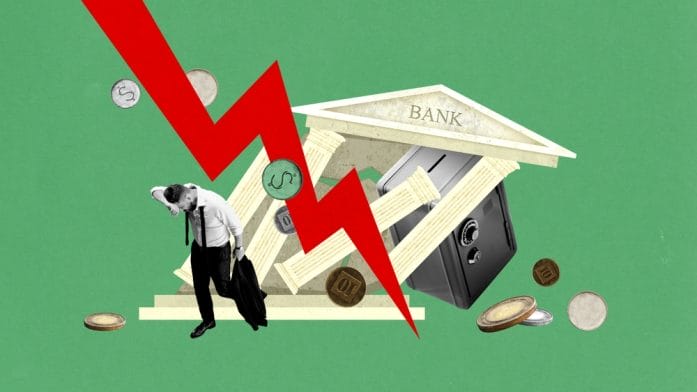
When the broader economy feels unstable, financial planning stops feeling theoretical and starts feeling urgent. That urgency can make every decision feel loaded, as if one wrong move might echo for years. Add constant media coverage and expert opinions that don’t always agree, and it’s easy to feel frozen. Planning becomes harder when the ground beneath your assumptions keeps moving.
Too Many Choices Create Decision Fatigue
There has never been a time with more financial options. Multiple savings accounts, countless investment funds, side hustles, apps, cryptocurrencies, budgeting systems, and retirement vehicles compete for attention.
Choice is great in theory, but in practice it can overwhelm the brain. When every option claims to be the smartest move, making any move feels risky.
Decision fatigue sets in, leading many people to procrastinate or second-guess themselves endlessly. Instead of clarity, abundance creates noise. Financial planning becomes less about strategy and more about sorting through a crowded room of opinions.
Money Is Tied To Identity And Self-Worth
Money isn’t just math; it’s emotional. Financial choices often feel like reflections of responsibility, intelligence, and even morality. When planning feels difficult, people may internalize that struggle as personal failure rather than a response to complex conditions.
Social comparisons don’t help, especially when curated success stories float through social media feeds. Seeing peers buy homes, travel, or retire early can quietly turn planning into a referendum on self-worth.
That emotional weight makes financial decisions feel heavier than they need to be. Stress increases when money stops being a tool and starts feeling like a judgment.
The Rules Keep Changing Mid-Game
Many people grew up with clear financial milestones: steady job, affordable housing, predictable retirement paths. Those rules don’t apply as neatly anymore.
Careers are less linear, pensions are rare, housing markets fluctuate wildly, and longevity has increased planning horizons. Advice from previous generations may no longer fit current realities, which can create confusion and frustration.
When the old playbook doesn’t work and the new one feels unfinished, planning becomes guesswork. It’s tough to feel confident when the goalposts keep shifting. Uncertainty thrives when there’s no clear roadmap.
Information Is Everywhere But Clarity Is Rare
Access to financial information has exploded, yet clarity hasn’t kept pace. Articles, videos, influencers, and experts flood the internet with tips, warnings, and predictions. Some advice is thoughtful and grounded; some is oversimplified or driven by trends.
Sorting credible guidance from noise takes time and energy many people don’t have. Conflicting messages can cancel each other out, leaving readers more confused than before. When learning feels like wading through chaos, planning stalls. Knowledge overload can paradoxically lead to inaction.
Life Feels More Expensive And More Fragile
Rising living costs leave less margin for error, which raises the emotional stakes of every decision. At the same time, recent global events have highlighted how quickly circumstances can change. Health issues, job disruptions, and unexpected expenses feel more plausible than ever.
That awareness pushes people to plan for more contingencies, which complicates already tight budgets. Planning starts to feel like trying to predict every possible curveball. When security feels fragile, perfectionism creeps in—and perfectionism is exhausting.
Let’s Talk About The Pressure Out Loud
Financial planning feels overwhelming right now because it’s happening at the intersection of uncertainty, emotion, and constant input. That doesn’t mean you’re behind, broken, or bad with money.
It means you’re navigating a complex moment with real consequences and limited clarity. Sometimes the most helpful step isn’t finding the perfect strategy, but acknowledging the pressure itself.
If our article sparked recognition or raised questions, drop your thoughts or personal experiences in the comments below. Honest conversations can make the process feel a little less lonely—and a lot more human.
You May Also Like…
The Florida Premium Spike: Why Your “Affordable” Health Plan Just Quadrupled in Cost Overnight
Could Your Financial Plan Withstand A Surprise Recession Beginning In December?
How Can Family Dynamics Ruin Even the Best Financial Plans
Why Do Medical Bills Feel So Hard to Plan Around
How a Solid Estate Plan Can Protect Your Finances
The post Why Does Financial Planning Feel Overwhelming Right Now appeared first on The Free Financial Advisor.