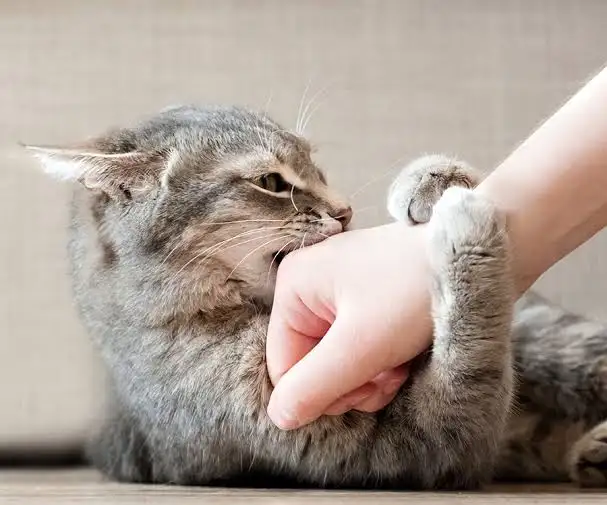
One moment your cat is curled up beside you, purring as you stroke its head. The next, it grabs your hand with its teeth. For many cat owners across the U.S., this confusing behavior feels like it comes out of nowhere. But according to veterinary behavior experts, most cats don't bite without first sending subtle signals that they've had enough. The problem is that these warning signs often last only a few seconds and are easy to overlook. Learning what your cat is trying to communicate can help prevent painful bites, reduce stress, and make daily interactions more enjoyable for both of you.
Cats communicate differently from dogs. Instead of obvious vocal cues, they rely heavily on body language. A small tail flick, a slight ear movement, or a brief pause in purring can all mean your cat is becoming overstimulated. Understanding these signals is especially important because petting-induced aggression is one of the most common behavior concerns reported by cat owners.
Why does your cat suddenly bite even while enjoying your attention?
The biggest misunderstanding about feline behavior is that purring always means happiness. While many cats purr because they're relaxed, they can also purr when they're overstimulated, anxious, or trying to comfort themselves.