

Electricity, gas, water—whatever your household leans on, one thing is undeniable: those utility bills keep creeping higher, even when you swear you haven’t turned on a single extra light. It feels like a financial magic trick, and not the good kind. You’ve been careful, maybe even obsessively so, monitoring thermostats, shutting off unused appliances, and double-checking faucets. Yet when the bill arrives, it’s bigger. Way bigger.
Why? The answer is a mix of economics, infrastructure quirks, and a few hidden factors that most people don’t consider until they’re staring at a number that makes their wallet flinch. Let’s unravel the mystery behind these relentless increases.
Rising Energy Costs Are Out Of Your Control
One of the primary reasons utility bills climb is simple: the cost of producing energy itself is going up. Power plants need fuel—whether that’s natural gas, coal, or oil—and the prices for these commodities fluctuate constantly. When global markets spike due to supply chain issues, geopolitical tensions, or seasonal demand, energy providers often pass those costs straight to consumers. Even renewable sources like solar and wind aren’t immune; while they reduce fuel costs, they require expensive maintenance and technology updates. Essentially, your usage may stay the same, but the price of the electricity you consume can jump dramatically. Utilities are businesses too, and part of staying in business involves adjusting rates to reflect these ongoing expenses.
Infrastructure Upgrades And Maintenance Drive Costs
Another invisible culprit behind rising bills is the infrastructure that delivers energy, water, and gas. Transmission lines, pipelines, and treatment facilities don’t repair themselves, and when upgrades are required, consumers often foot part of the bill. Aging systems are especially costly to maintain; think of decades-old water pipes or decades-old power grids that can’t handle modern demand without major investment. When a utility company announces a rate hike, it’s often linked to these behind-the-scenes improvements. While frustrating for households, these upgrades prevent larger, more catastrophic failures that could leave entire communities without power or water for days.
Seasonal And Environmental Factors Can Affect Rates
Even if your usage remains steady, the environment around your home can impact costs. Extreme weather events—cold snaps, heatwaves, floods, or droughts—can strain utility systems. For example, a sudden cold winter increases overall demand for electricity and natural gas, which can drive up rates temporarily or permanently. Water bills may rise during droughts when supply is limited. Climate change is increasingly playing a role in this, as unpredictable weather patterns force utilities to adjust pricing structures to stay financially stable. Essentially, even if you’re energy-efficient, nature can create conditions that raise costs across the board.
Regulatory Changes And Policy Shifts Matter
Utility rates don’t exist in a vacuum—they’re heavily influenced by local, state, and federal regulations. Policies around renewable energy mandates, carbon taxes, and emissions limits can all impact what you pay each month. Governments often require utilities to invest in cleaner technologies or subsidize alternative energy sources, and these costs get distributed to customers. Additionally, some regions have deregulated energy markets where prices fluctuate more freely based on supply and demand. That means your bill could rise even without a change in your consumption simply because the market shifted. Keeping an eye on legislative changes is surprisingly important if you want to understand why your bill isn’t staying flat.
Hidden Fees And Rate Structures Can Confuse Consumers
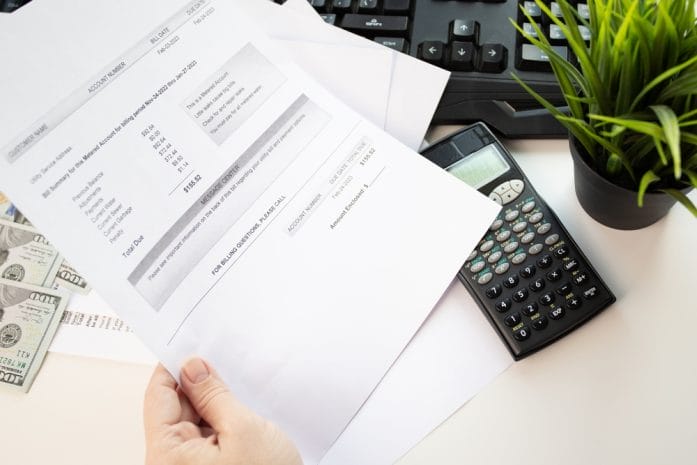
Many households assume their bill is a direct reflection of usage, but in reality, utilities often include hidden fees or tiered rate structures. Some companies charge extra for peak-hour usage, maintenance fees, infrastructure costs, or environmental programs. These line items might be small individually, but they can add up quickly, making it seem like your consumption went up when it actually didn’t. Understanding your bill’s breakdown is crucial. Knowing which charges are fixed, variable, or seasonal can help demystify the number staring back at you every month and make you feel a little more in control, even when costs rise.
Economic Inflation Impacts Everything, Including Utilities
Inflation doesn’t just affect groceries or rent—it hits utilities too. Rising labor costs, equipment prices, and operational expenses mean that companies need to adjust rates to keep up with the economy. Even if energy production costs remain stable, inflation can inflate bills because the money it takes to run the utility grows over time. This is especially noticeable when multiple factors—like rising fuel costs, infrastructure maintenance, and inflation—converge. It’s a perfect storm that leaves the average household wondering why their carefully controlled habits aren’t keeping their bills in check.
How Consumers Can Stay Ahead Without Drastic Lifestyle Changes
While you can’t control fuel prices or government regulations, there are ways to mitigate the impact of rising bills. Smart thermostats, energy-efficient appliances, and careful water use still help reduce your monthly cost. Some utilities offer programs to level out seasonal fluctuations through budget billing, which averages yearly costs into manageable monthly payments. Additionally, checking for errors, understanding your rate structure, and comparing providers where possible can prevent unnecessary overpayments. Knowledge is power, and in the world of utilities, being proactive can be just as important as turning off lights.
Your Thoughts On Rising Bills
Utility bills rising even when usage stays the same can feel frustrating and mysterious, but understanding the multiple factors at play—from energy costs and infrastructure to environmental and economic pressures—gives you insight and control. Everyone’s experience is different, and the mix of causes varies by region and provider. If you’ve noticed surprising increases or found clever ways to manage your bills, drop your thoughts or stories in the comments below.
Let’s discuss how to navigate this ongoing challenge together, because knowing why your bills rise is the first step toward keeping them in check.
You May Also Like…
Could Your Retirement Be at Risk From Rising Utility Costs
Why You Should Never, Ever Skip Paying Your Bills
7 Costs That Sneak Up on Fixed-Income Households
Why Do People Underestimate the True Cost of Living Longer
7 Little-Known Costs of Living Longer Than Expected
The post Why Do Utility Bills Keep Rising Even When Usage Stays the Same appeared first on The Free Financial Advisor.