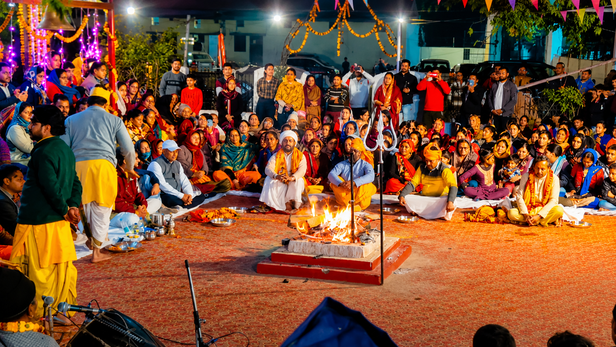
In the Himalayan villages of Uttarakhand, faith is not confined to temples. When families face illness, disputes, financial troubles, or unexplained hardships, many still turn to their local deities for guidance. Through an ancient ritual known as Jagar, villagers believe they can connect directly with divine powers. In a world driven by technology and modern solutions, this centuries old tradition continues to thrive, raising an intriguing question: why do so many people still believe their gods can help solve real life problems?
When Problems Become Too Big to Handle Alone
Life in the mountains has never been easy. Harsh weather, difficult terrain, and limited resources have shaped the lives of people for centuries. During challenging times, communities often looked beyond practical solutions and turned toward spiritual ones.
Jagar became a way for people to seek comfort and answers when they felt powerless. Whether someone was dealing with illness, family conflicts, or emotional distress, the ritual offered hope. For many villagers, simply knowing that a higher power was listening provided strength during difficult moments.
Even today, that sense of reassurance remains one of the biggest reasons people continue to practice Jagar.
The Night When Villages Gather Together
A Jagar ceremony is much more than a religious event. It is a community gathering that often lasts throughout the night.
Family members, neighbors, and friends come together as traditional instruments fill the air with powerful rhythms. Songs recount stories of gods, heroes, and ancestors who are deeply woven into local culture.
The atmosphere gradually becomes emotional and intense. People sing, pray, and listen together. In a world where many feel increasingly disconnected, Jagar creates a rare sense of belonging that brings entire communities closer.
The Belief That Gods Can Speak Through Humans
https://www.instagram.com/p/CdqsQ7EpXFg/?utm_source=ig_web_copy_link&igsh=MzRlODBiNWFlZA==
One of the most fascinating aspects of Jagar is the belief that a deity can temporarily enter the body of a chosen medium.
As the music and chanting intensify, the medium may enter a trance like state. Villagers believe this allows the deity to communicate directly with those present.
People ask questions, seek guidance, and share their concerns. For believers, this is not merely symbolic. It is a deeply personal experience that makes their faith feel real and immediate.
This direct connection between humans and the divine is what sets Jagar apart from many other forms of worship.
More Than Faith, It Is Emotional Healing
Many people who attend Jagar ceremonies describe feeling lighter and more peaceful afterward.
Experts often point out that communal rituals can have powerful emotional benefits. Sharing worries, expressing grief, and participating in a collective experience can reduce feelings of loneliness and stress.
The music itself also plays a role. The steady beats of traditional drums create an immersive atmosphere that helps participants focus and let go of their anxieties.
For some, Jagar is spiritual. For others, it becomes a form of emotional healing.
Why Young People Are Still Interested
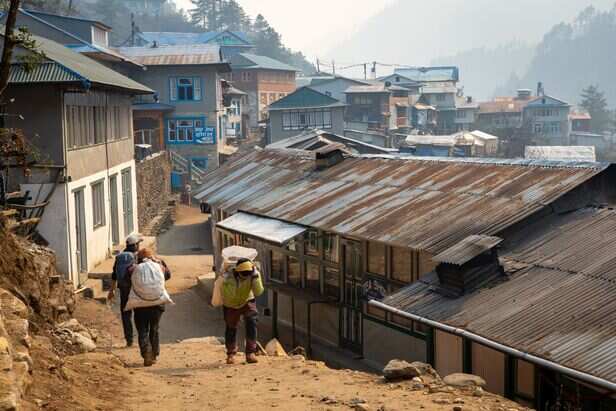
young people are more interested in
Many ancient traditions struggle to survive as younger generations move to cities. Surprisingly, Jagar continues to attract interest among young people from Uttarakhand.
Social media, cultural festivals, and folk artists have helped introduce the tradition to a wider audience. Young people living far from their ancestral villages often see Jagar as a way to stay connected to their roots.
Rather than disappearing, the ritual has adapted to changing times while preserving its core values and cultural significance.
From Remote Villages to Big Cities
Migration has carried Jagar beyond the mountains. Large communities from Uttarakhand now organize ceremonies in cities such as Delhi and other parts of India.
These events allow people to reconnect with their heritage even while living far from home. The setting may be different, but the emotions remain the same.
For many families, attending a Jagar in a city environment offers a powerful reminder of where they come from and the traditions that shaped their identity.
Jagar has survived for generations because it offers something that remains timeless: hope, connection, and a sense of belonging. Whether viewed as a spiritual ritual, a cultural tradition, or a source of emotional support, its importance continues to resonate with countless people. In a rapidly changing world, the sound of drums echoing through the night reminds us that some traditions endure because they speak directly to the human heart.
Unlock insightful tips and inspiration on personal growth, productivity, and well-being. Stay motivated and updated with the latest at My Life XP.