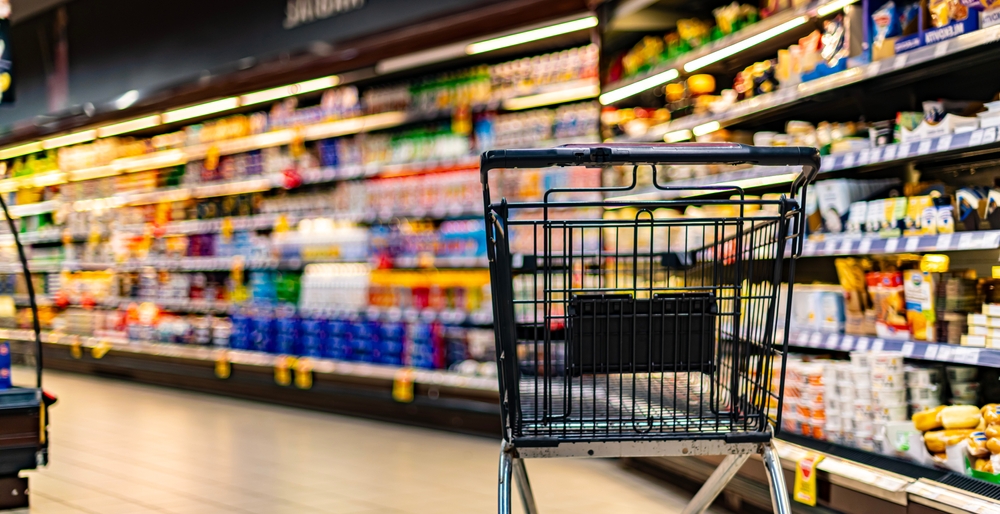
You know when you stroll into the grocery store determined to “grab a few things,” only to leave with a receipt long enough to be used as a scarf? Suddenly, your favorite cereal costs as much as a small luxury item, and even the bargain-brand snacks are starting to look suspiciously premium-priced. It’s not your imagination—your grocery bill is rising, and it’s not just because you impulse-added three extra snacks.
There are real forces at play, some obvious, some sneaky, and all quietly raising the cost of your weekly food haul. So buckle in, because we’re about to unpack exactly why that total at checkout keeps climbing faster than you can say “wait, it costs how much now?”
1. Supply Chain Chaos Continues
A few years ago, global supply chains had a meltdown, and while the world has mostly recovered, the ripple effects are still very real. When a single link in the chain breaks—shipping delays, labor shortages, factory shutdowns—everything down the line gets more expensive. Grocers pay more to get products on shelves, and that added cost lands squarely on your receipt. Even the slightest hiccup in transportation can mean weeks of price creep across categories. Supply chains are smoother than they were, but they’re still fragile enough to push grocery prices upward.
2. Increased Transportation Costs
Every item in your cart had to travel from somewhere—sometimes across states, sometimes across oceans. Fuel prices play a massive role, and when they spike, trucking companies, delivery networks, and distributors all feel the pinch. Those costs are passed along to retailers, and retailers pass them along to you. Even products made locally depend on transportation for ingredients, equipment, or packaging. When moving anything becomes more expensive, grocery prices follow like clockwork.
3. Higher Labor Costs Across the Food Industry
From farmers to warehouse workers to grocery store employees, labor costs have been rising. Higher wages help workers keep up with the cost of living, but they also raise operational expenses for every step of the food production process. More expensive labor at farms means costlier produce; more expensive labor in grocery stores means costlier shelf prices. The entire system is labor-heavy, so any shift in wages has a noticeable impact. While it’s good news for workers, it’s another reason your grocery budget feels stretched.
4. Climate-Driven Crop Disruptions
Extreme weather events—heatwaves, droughts, floods, and unpredictable seasons—are tightening the supply of many everyday foods. When crops fail or yields shrink, prices rise because there’s simply less to go around. Staple foods like wheat, corn, and soy can be affected for months or even years after a major climate event. Meanwhile, farmers face their own increased costs in trying to adapt with new technologies or growing methods. It all contributes to a global food system that’s more expensive to operate and more volatile to predict.
5. Growing Consumer Demand
As populations grow and dietary habits shift, demand for certain foods climbs. When more people want the same products—especially ones that require more resources to produce—prices naturally increase. High-demand items like organic foods, plant-based alternatives, and specialty ingredients require more care, time, or technology to produce. Even staples like eggs, meat, and dairy can spike when supply can’t keep up with sudden surges in demand. The grocery store is a microcosm of global economics, and demand has a big voice.
6. Packaging Costs Are Rising Too
Those boxes, bags, bottles, and wrappers don’t come cheap. Materials like plastic, aluminum, and cardboard have increased in cost due to supply shortages and rising manufacturing expenses. When packaging costs go up, companies have no choice but to adjust their pricing. Even products that haven’t changed at all—same size, same ingredients—may cost more simply because their container is pricier. It’s an invisible cost to most shoppers, but it’s a huge part of what you pay for.
7. Shrinkflation Makes Prices Feel Higher
Shrinkflation is the sneaky cousin of inflation—products stay the same price, but the package gets smaller. Maybe your chips bag suddenly has fewer chips, or your yogurt cup shrank by a few ounces without warning. Companies do this to avoid raising visible prices, but the cost per unit goes up anyway. Shoppers notice eventually, and it contributes to the feeling that groceries are becoming ridiculously expensive. It’s legal, widespread, and quietly frustrating.
8. Global Conflicts Disrupt Food Markets
When major food-producing nations experience conflict, global supply chains shift dramatically. These disruptions can affect everything from grain exports to fertilizer availability. Even if a conflict is happening halfway around the world, the effects can ripple into your local grocery store’s prices. Global food markets are interconnected, so one region’s instability becomes everyone’s problem. These shocks can cause sudden spikes that take months to stabilize.
9. Retailers Are Adjusting to Market Uncertainty
Grocery stores aren’t just raising prices because they want bigger profits—though some do profit more during inflation. Many are adjusting to unpredictable costs, trying to stay ahead in a market where ingredients, fuel, and labor prices shift constantly. Retailers build buffers into their pricing to prepare for upcoming fluctuations. When uncertainty becomes the norm, those buffers grow, and your bill grows right along with them. It’s defensive pricing, and it adds up.
10. Food Production Is More Complex Than Ever
Today’s food system relies heavily on technology, automation, and advanced processing. While these innovations improve quality and efficiency, they also come with costs. Equipment upgrades, specialized facilities, and new safety standards all require investment. As the industry evolves, production becomes more expensive and more resource-intensive. Those modern conveniences show up on the price tag of nearly everything you eat.
The Real Reasons Your Grocery Bill Keeps Growing
There isn’t one single culprit behind rising grocery prices—it’s a layered, interconnected web of global economics, environmental challenges, labor issues, and consumer trends. Grocery stores aren’t simply raising prices for fun; they’re reacting to a world that’s more complex, costlier, and less predictable than it used to be. Understanding the forces behind your receipt won’t make your bill smaller, but it will help you navigate the rising costs with a bit more clarity and confidence.
Have you noticed dramatic changes in your grocery bills lately? Give us all of your thoughts, stories, or frustrations in the comments section below.
You May Also Like…
10 Grocery Store Layouts That Push Impulse Spending
10 Grocery Store Tricks That Make You Forget What You Came For
What Really Happens When Grocery Chains Merge in Local Communities
What Is The Cost of Living In North Carolina in 2024?
10 Amazon Shopping Traps That Seem Legit (But Will Waste Your Money)
The post Why Do Grocery Prices Keep Going Up? appeared first on Everybody Loves Your Money.