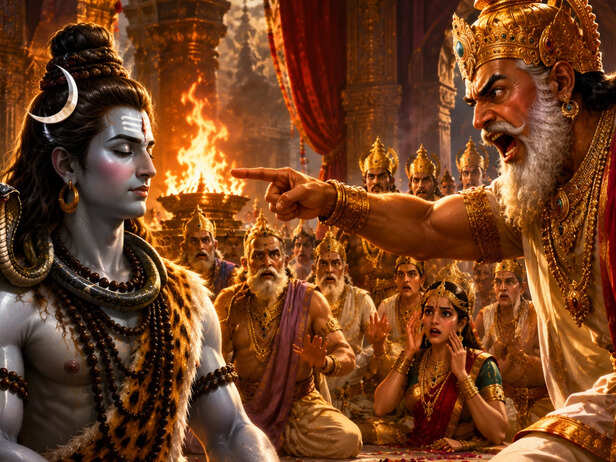
Why did Prajapati Daksha, a powerful figure in Hindu mythology, develop such deep hostility toward Lord Shiva? At first, it may look like a simple story of anger between two powerful beings. But traditional accounts reveal something much deeper. It was a clash between order and freedom, pride and humility, status and spirituality. Daksha believed that discipline, rules and social order were necessary to maintain creation. Shiva stood far outside those worldly ideas. He lived like an ascetic, wore no royal symbols and treated gods, demons and ordinary beings with the same compassion. And then came an old wound connected with Daksha’s family.
Daksha Believed in Order
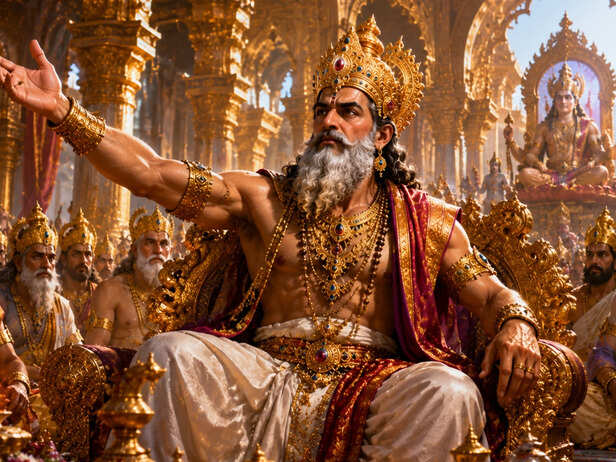
Daksha was no ordinary figure. He is traditionally described as one of the Prajapatis, beings connected with the expansion and continuation of creation. He valued rules, discipline, status and proper conduct. In his eyes, everyone had a place and a duty. Shiva, however, seemed to follow none of these worldly expectations. He lived as a wandering ascetic, covered himself with sacred ash and stayed away from royal comforts. Daksha could not understand why such a figure received immense respect from gods and sages. Slowly, admiration turned into irritation, and irritation began turning into deep resentment.
The Old Wound Began With Brahma
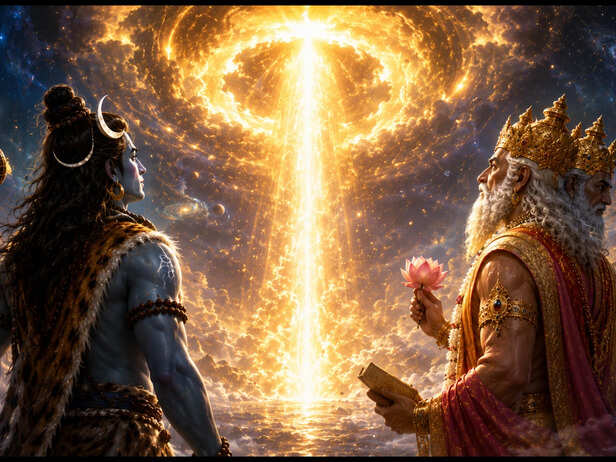
One traditional story connects the background of this conflict with the famous Jyotirlinga legend. Brahma and Vishnu once disputed who was supreme. Shiva appeared as an endless pillar of light whose beginning and end could not be found. Vishnu accepted that he could not discover the limits of the divine light, while Brahma, according to the legend, falsely claimed that he had found its beginning. Shiva then manifested his anger, and Brahma’s fifth head was severed. Later traditions connect this event with Brahma’s complicated relationship with Shiva. Daksha, being associated with Brahma’s lineage, was said to carry resentment toward Shiva.
One Assembly Changed Everything
The tension finally became public during a sacred assembly. When Daksha entered, many gods, sages and respected beings stood up to honour him. But Lord Shiva remained seated. Daksha saw this as a direct insult. His anger exploded in front of everyone. He criticised Shiva and declared that Shiva would no longer receive a share of sacrifices performed in yajnas. But Shiva did not fight back. He simply remained calm and eventually left. This moment reveals the biggest difference between the two personalities: Daksha measured respect through outward behaviour, while Shiva appeared completely unaffected by status, praise or insult.
Shiva Answered Anger With Silence
That is what makes Shiva’s response so striking in the traditional story. Daksha expected his authority to command respect. Shiva did not challenge him, argue with him or demand an apology. He simply remained detached. This silence made the difference between them even clearer. Daksha believed that respect had to be shown through obedience. Shiva represented a state beyond ego and social rank. The scene teaches a powerful lesson: sometimes the strongest response to anger is not another angry reaction. It is the ability to remain calm when someone tries to provoke you.
The Moon Became Another Test
Another traditional story shows the contrast between Daksha’s anger and Shiva’s compassion. Daksha had many daughters, and the Moon god, Chandra, married them. According to the legend, Chandra showed special affection toward Rohini, which angered Daksha. Daksha cursed Chandra, causing his radiance to diminish. Chandra sought help, and Shiva gave him refuge by placing him upon his head. This became one of the sacred images of Shiva as Chandrashekhara. The story again shows Shiva protecting someone facing a curse, while also highlighting the consequences of uncontrolled anger and partiality.
Then Came Sati’s Love
There was an extraordinary twist inside Daksha’s own family. While Daksha’s resentment toward Shiva was growing, his daughter Sati became devoted to Shiva. She did not see Shiva through her father’s eyes. She saw the compassion, wisdom and freedom behind the ascetic form. Eventually, Sati married Shiva despite Daksha’s opposition. Now the conflict was no longer between two distant figures. It had entered Daksha’s own family. His daughter loved the very being he could not accept. And this emotional conflict would soon lead to an event that would shake the entire divine world.
The Hatred Would Cost Everything
Daksha’s story is remembered because his anger eventually became bigger than the original disagreement. What began as wounded pride and resentment grew into a refusal to accept Shiva. His later decision to hold a great yajna without properly honouring Shiva became the setting for the tragic Daksha Yajna episode. Sati arrived despite Shiva’s concerns and was deeply hurt by the disrespect shown toward her husband. Her sorrow became a turning point in the story. The lesson is powerful: when pride becomes stronger than love, wisdom and family, the consequences can spread far beyond the person who first became angry.
Unlock insightful tips and inspiration on personal growth, productivity, and well-being. Stay motivated and updated with the latest at My Life XP.