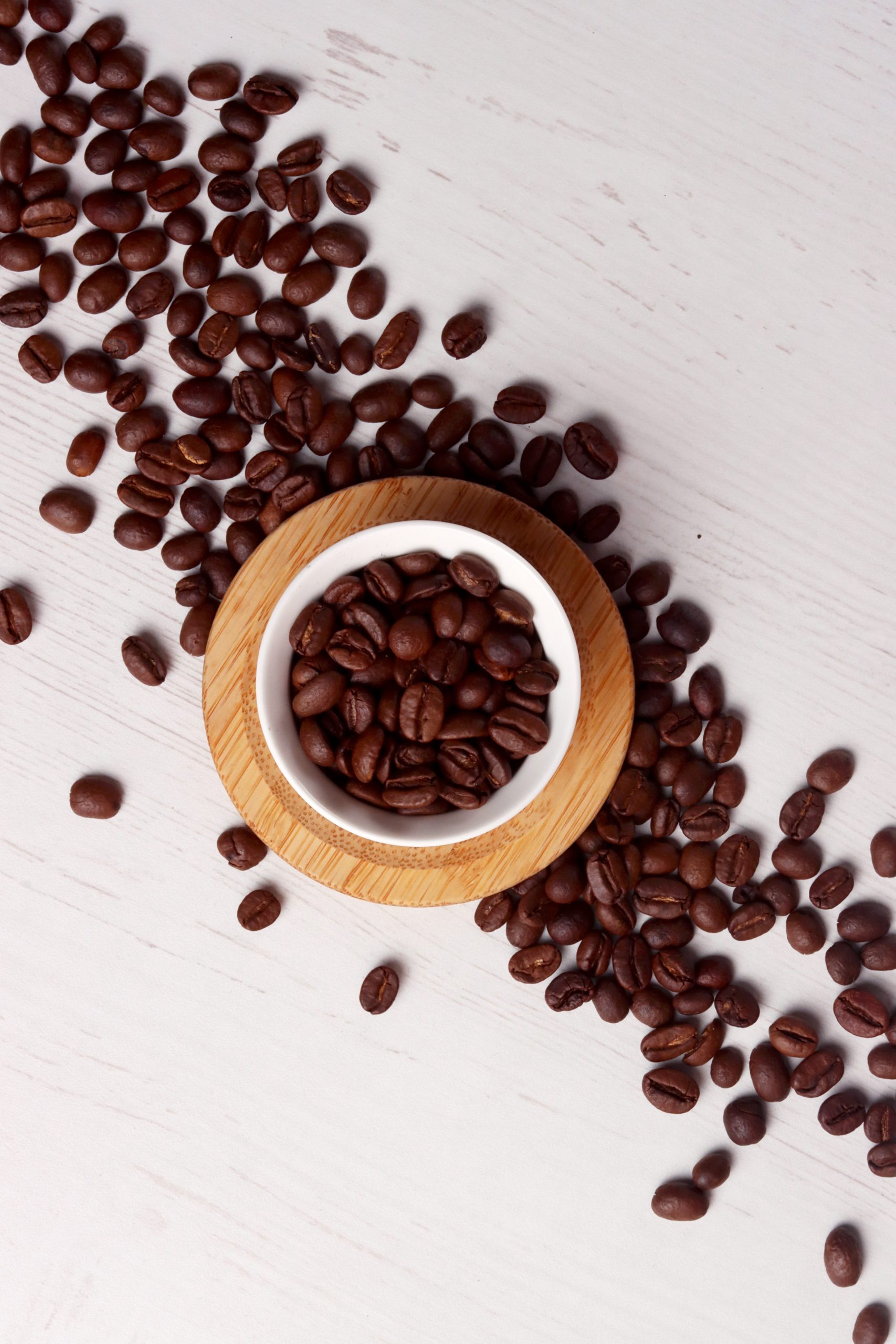
You have likely seen the headlines. The commodity price for green, unroasted coffee beans has been volatile. It will often drop on the global market. However, the price of your flat white or your bag of beans at the grocery store only ever seems to go in one direction: up. This is a frustrating and confusing experience for a coffee drinker. The truth is that the price of the raw coffee bean is only a small part of the final price you pay. The real costs are in the labor, marketing, and experience.
1. The Rising Cost of Labor
The single biggest cost for a coffee shop is not the coffee; it is the labor. The rising minimum wage and a tight labor market have forced cafes to pay their baristas a much more competitive wage. This is a long-overdue and very positive change. However, that new, higher labor cost is passed directly on to you, the consumer, in the form of a more expensive cup of coffee.
2. The High Cost of Rent
A coffee shop, especially a premium one, must be in a high-traffic, desirable location. The rent on a commercial space in a busy urban or suburban neighborhood is extremely expensive. A large portion of the price of your latte is not for the coffee; it is just to pay the shop’s monthly rent.
3. The Power of “Third Wave” Branding
The “Third Wave” coffee movement has successfully rebranded coffee from a simple commodity into an artisanal, luxury good. Brands like Blue Bottle and Intelligentsia have created a “health halo” around their product. They talk about their single-origin beans, complex flavor notes, and ethical sourcing. This premium branding allows them to charge a much higher price. You are not just buying a drink; you are buying a story.
4. The Popularity of Expensive, Complex Drinks
The modern coffee menu is no longer just coffee and a little bit of milk. It is now filled with a huge variety of complex, labor-intensive, and expensive drinks. This includes lattes, mochas, and cold brews made with syrups, foams, and a variety of plant-based milks. These drinks require more time, more skill, and more expensive ingredients to make. This has driven the average price of a coffee order way up.
5. The Rise of the “Affordable Luxury”
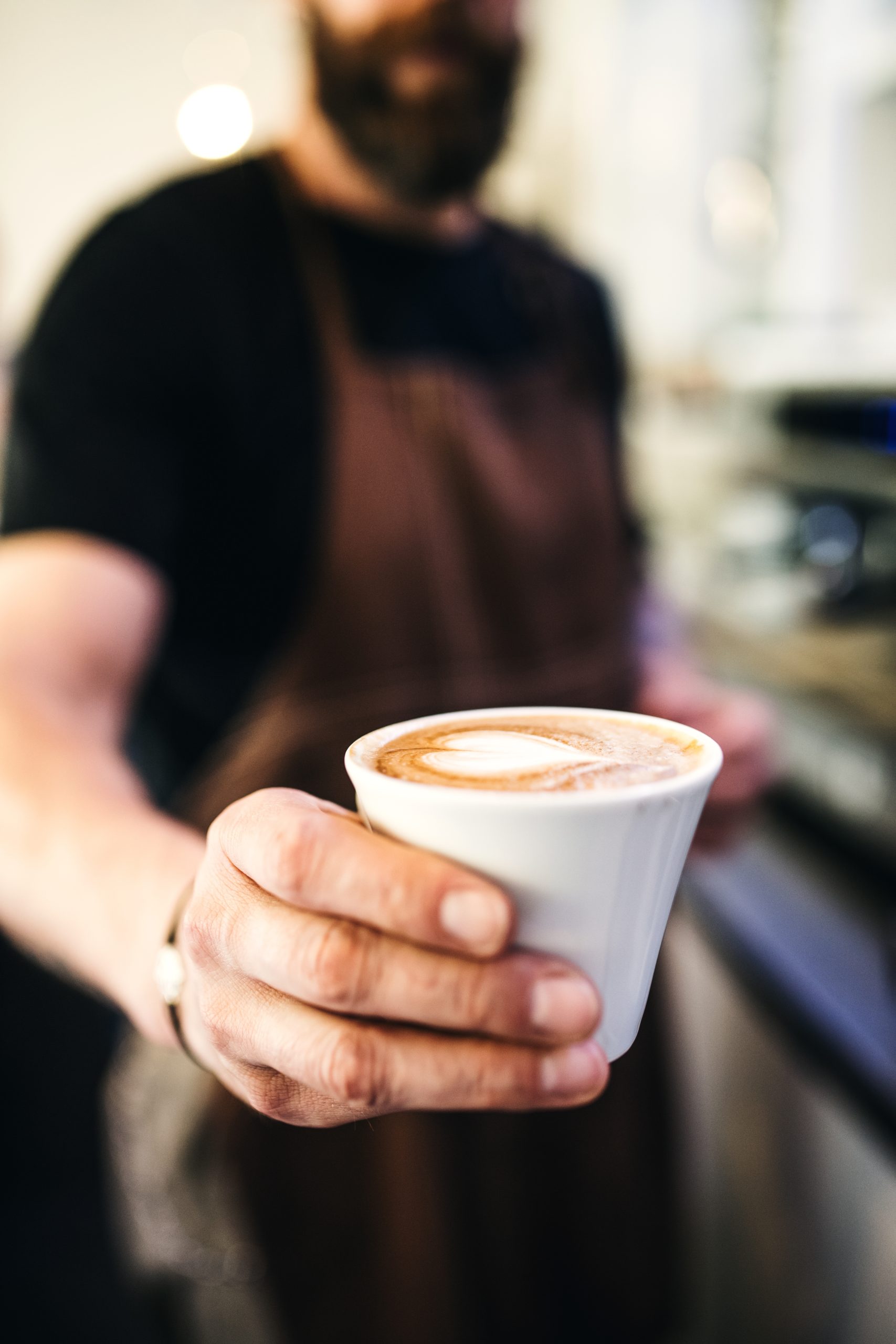
In an uncertain economy, a five-dollar coffee is an “affordable luxury.” A consumer who is cutting back on a new car or a big vacation is often more, not less, willing to splurge on a small, daily treat. The coffee shop is the perfect place for this. It is a way to treat yourself and to participate in a social ritual for a relatively low price. The coffee companies know this, and they have priced their products accordingly.
The Price of the Experience
The high price of a modern cup of coffee has very little to do with the price of the bean itself. You are not paying for the raw material. You are paying for the labor of the barista and the high-end espresso machine. Additionally, you are paying for the rent of the beautiful cafe and story and “brand” of the coffee you are drinking. The coffee itself is just a small part of the total, expensive, and very modern experience.
How much is too much for a cup of coffee? Do you think the high prices at a premium coffee shop are worth it? Let us know your thoughts!
What to Read Next
- These 5 New Coffee Brands Taste Better Than Your Old Favorites
- 10 Coffee Brands That Cost Less Without Losing Taste
- These 8 Drinks Destroy Your Sleep More Than Coffee Ever Could
- 8 Budget-Friendly Coffee Alternatives That Still Taste Great
- What’s Causing the Sudden Surge in Store-Brand Coffee?
The post Why Coffee Prices Keep Climbing Even When Beans Get Cheaper appeared first on Grocery Coupon Guide.