
Walking through the produce aisle in January reveals a stark price divide. While berries and tropical fruits skyrocket in cost, other items like potatoes, carrots, and onions remain affordably stable. This isn’t random; it’s a reflection of biology and logistics. Understanding the difference between “storage crops” and “import crops” explains why some vegetables break the budget in winter while others remain a reliable bargain.
The Biology of Storage Crops
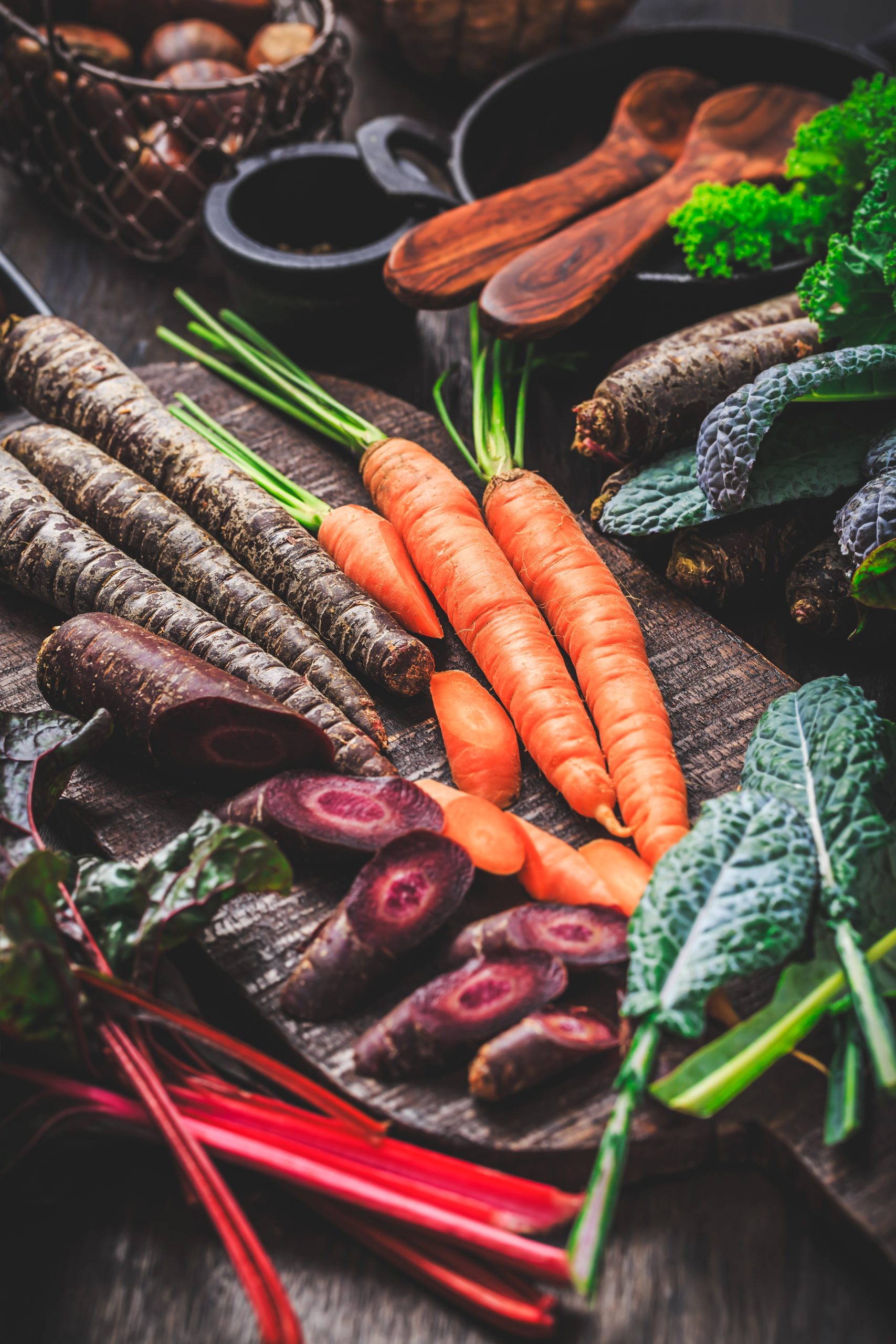
Root vegetables like potatoes, carrots, beets, and parsnips have a biological advantage: they are designed to survive the winter. These plants enter a state of dormancy after harvest. When stored in cool, humid conditions—like a modern industrial root cellar—they can remain fresh for months without rotting. Farmers harvest these crops in the late fall and sell them gradually throughout the winter. Because the supply is secured domestically and doesn’t require expensive transport, the price stays remarkably steady.
The High Cost of Imports
In contrast, “summer” crops like strawberries, tomatoes, and peppers do not store well. To have them in January, grocery stores must import them from warmer climates like Mexico, Peru, or Chile. The price you pay reflects the immense cost of refrigerated shipping, logistics, and potential tariffs. Any weather disruption in those southern growing regions immediately spikes the price at your local supermarket. You are paying for the fuel, not just the fruit.
The Stability of Citrus
Citrus fruits offer a happy middle ground. Winter is actually the peak harvest season for oranges, grapefruits, and tangerines in domestic growing regions like Florida and California. This seasonal abundance keeps prices relatively stable and affordable during the colder months. Unlike berries, citrus fruits have thick skins that protect them during transport, reducing spoilage and waste costs that retailers would otherwise pass on to you.
The “Hard Squash” Advantage
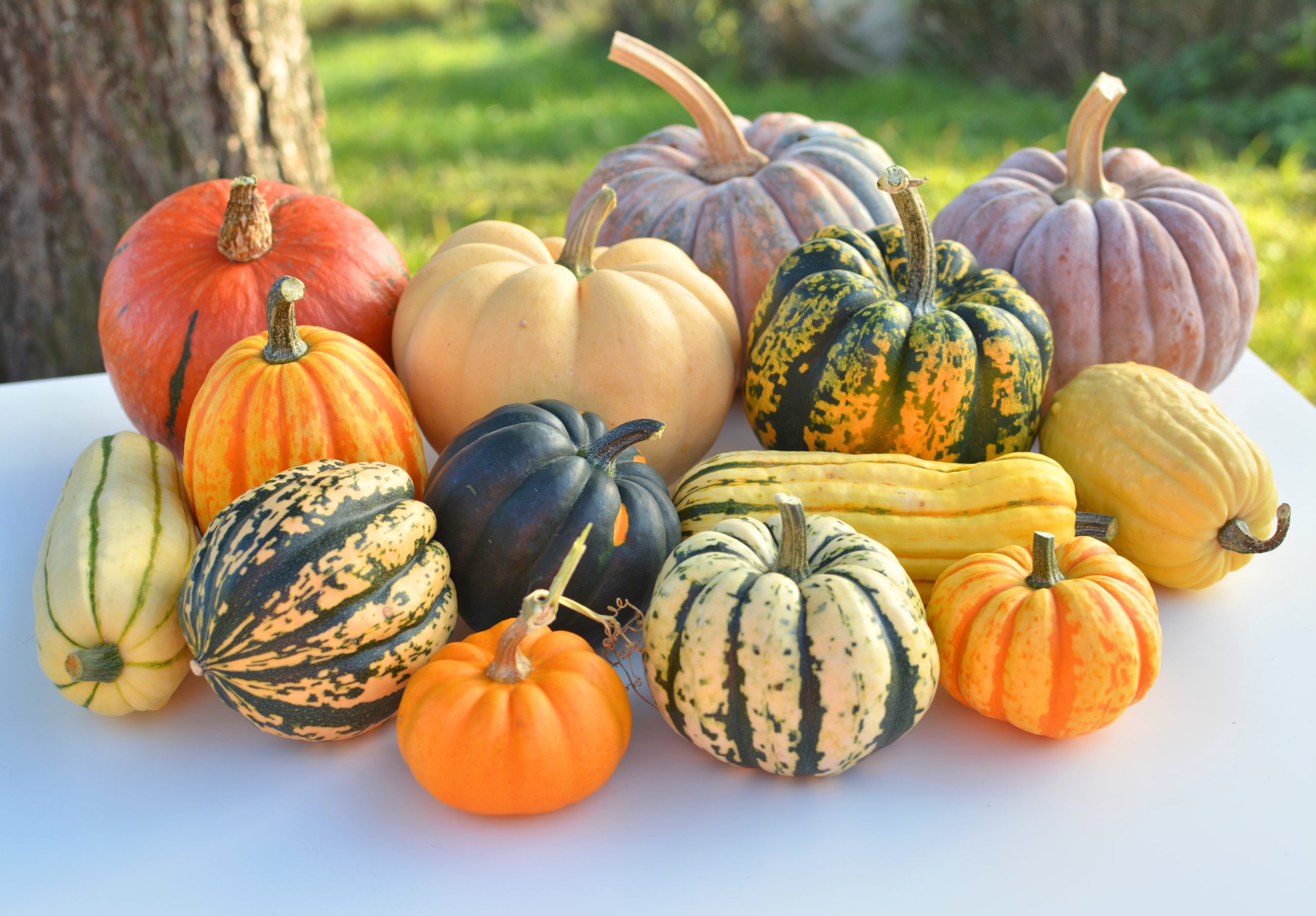
Winter squashes like butternut, acorn, and spaghetti squash are technically fruits, but they behave like root vegetables. Their thick, hard shells act as natural packaging, sealing in moisture and protecting the flesh from decay. Like potatoes, they are harvested in the fall and stored for winter sale. This durability means retailers lose less inventory to spoilage, allowing them to keep prices lower and more consistent than delicate items like zucchini or green beans.
Cabbage and the Brassica Family
Cabbage is one of the most inflation-resistant winter vegetables. It is incredibly hardy and can be stored for months in cold conditions. Its dense structure makes it efficient to ship and resistant to bruising. Other brassicas like kale and Brussels sprouts also tolerate cold weather well, often growing sweeter after a frost. This allows for extended domestic growing seasons in some regions, buffering the price against expensive imports.
Apples vs. Pears
Apples are the kings of fruit storage. Using “controlled atmosphere” storage, which regulates oxygen and carbon dioxide levels, growers can put apples to “sleep” for up to a year. This technology allows for a consistent, year-round supply of domestic apples at a stable price. Pears are slightly more delicate and have a shorter storage window, which is why you might see their prices creep up faster than apples as winter progresses.
Eating with the Season
The key to affordable winter produce is to embrace the crops that want to be eaten in winter. Storage crops and sturdy winter greens are not just cheaper; they are often more flavorful and nutrient-dense during the cold months. By building your meals around these stable staples and treating imported berries as a luxury, you can keep your grocery bill predictable even when the weather is not.
What is your favorite budget-friendly winter vegetable? Do you avoid imported produce in the winter to save money? Share your tips!
What to Read Next
The 6 Frozen Vegetables That Sell Out During Every Winter Cold Snap
Winter Soups and Stews That Benefit Most From Grocery Coupons
6 Seasonal Promotions That Trick Customers Into Overspending
Grow Your Own Food and Plants in a Greenhouse This Winter
5 Winter Selling Tips You Can’t Miss
The post Why Certain Winter Produce Items Hold Their Price Better Than Others appeared first on Grocery Coupon Guide.