There’s a rhythm to driving that most of us follow without thinking: stop, go, yield, signal, repeat. But then—out of nowhere—someone comes along and shatters that rhythm like a drumline hitting the wrong beat.
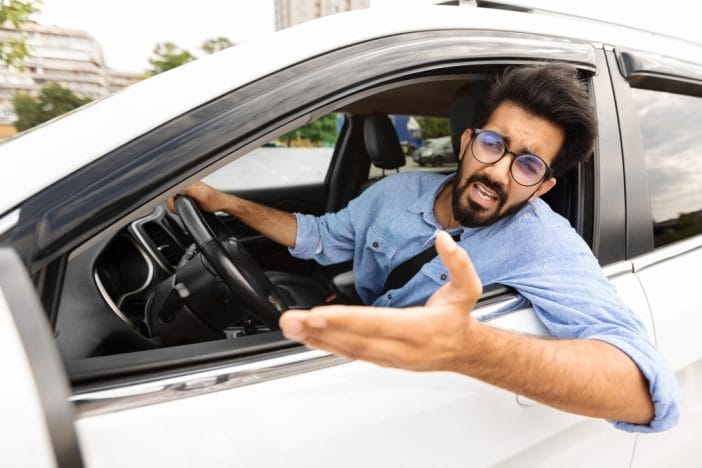
Maybe it’s the tailgater who seems glued to your bumper, the driver who drifts lazily between lanes like they’re auditioning for a slow-motion ballet, or the person who refuses to signal while making turns. Whatever the style, certain drivers have an uncanny ability to turn even the calmest motorist into a muttering, eye-rolling bundle of frustration.
But why exactly does this happen? And why do some driving behaviors provoke almost instantaneous irritation while others barely register? Let’s hit the road and find out.
The Science Behind Instant Road Rage
Believe it or not, your road rage isn’t just a lack of patience—it’s biological. When someone cuts you off or brakes randomly in front of you, your brain releases adrenaline. That tiny spike triggers the “fight or flight” response, even if you’re safely strapped in behind a steering wheel. Psychologists suggest that this reaction is tied to our sense of fairness; when another driver violates what we perceive as unspoken road rules, it feels like a personal attack. Our prefrontal cortex, which helps regulate behavior and decision-making, struggles to keep up when emotions spike.
The result? Sudden anger, a racing heart, and maybe even a few muttered curses that echo off your car’s interior. So, while it might feel irrational, your irritation is basically your brain saying, “This is unacceptable!”
Aggressive Drivers And The Tailgating Effect
Few things spark irritation faster than someone riding your bumper. Tailgaters trigger a cocktail of fear and frustration that can be hard to shake off. The science is simple: when a car suddenly invades your personal space, your brain perceives it as a threat. You instinctively tense up, imagining the worst-case scenario. Tailgating also strips drivers of their sense of control, making every brake, turn, and lane change feel like a high-stakes gamble. Some studies even suggest that people are more likely to make risky moves when being tailgated, which compounds the tension.
And let’s face it, there’s something inherently irritating about someone who can’t wait two extra seconds for a safe pass. It’s like being at a dinner party and having someone hover over your plate—purely annoying, and slightly terrifying.
Indecisive Drivers And Lane-Weaving Madness
Then there are the indecisive lane-weavers, the folks who drift between lanes without signaling or timing, leaving you guessing their next move. This kind of behavior taps into our brain’s need for predictability. Humans love patterns; we crave certainty, especially when the stakes involve 2,000 pounds of metal hurtling down a highway. Indecisive drivers make our brains work overtime, scanning for clues, predicting their next erratic maneuver, and cringing at every hesitation.
Every second spent anticipating a lane change is an adrenaline-laced mini stress test. And the weird thing? Even if they don’t cause an accident, your irritation skyrockets. It’s a mix of fear, mental exhaustion, and pure disbelief at someone’s inability to commit to a single lane.
The Signal-less Turners And Communication Breakdown
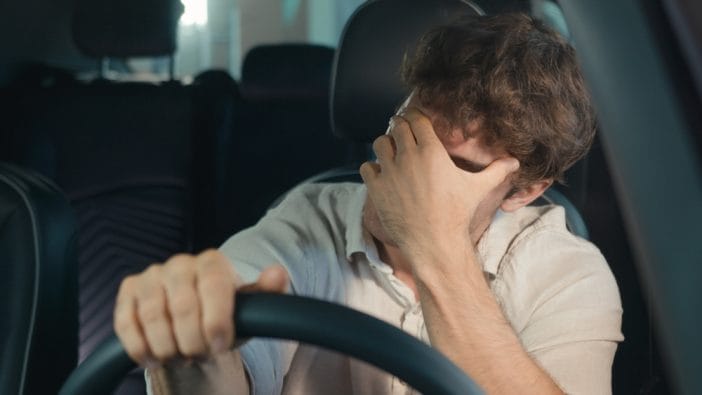
Signaling isn’t just a suggestion; it’s a silent language shared by all drivers. When someone neglects this basic form of communication, it’s like trying to play a team sport with invisible rules. Sudden turns, unannounced lane shifts, and disappearing acts onto side streets make other drivers feel blindsided. Our brains are wired to interpret signals as predictive cues, helping us navigate the chaos of traffic safely. When a driver fails to signal, it creates cognitive friction: your brain immediately recalculates risk and reassesses your next move.
Over time, repeated experiences with signal-less turners can cause a subtle, simmering irritation that escalates faster than you’d expect. In essence, they break the “driver code,” and humans have an almost visceral reaction to social contract violations—even on the road.
The Role Of Personality And Mood In Driving Annoyance
Not all drivers are equally prone to irritation. Personality plays a massive role. People who score high on traits like conscientiousness or neuroticism are more likely to feel anger when confronted with unsafe or careless drivers. Mood matters too: if you’re already stressed, sleep-deprived, or late for an appointment, your tolerance for poor driving plummets. Environmental factors, like heavy traffic or confusing road layouts, also amplify reactions.
In short, irritation isn’t just about the other driver—it’s a mix of your personality, mental state, and context. That’s why one day a merging driver might annoy you to no end, and another day, you barely notice someone drifting slightly in your lane.
Why Cultural And Social Norms Intensify Reactions
Driving is as much a social experience as it is a mechanical one. Cultural expectations influence what behaviors we find acceptable—or intolerable. In some cities, aggressive honking or last-minute lane cuts are normalized; in others, such behaviors provoke near-instant outrage. Social norms also play into perceived fairness. If someone ignores speed limits or traffic rules while you’re dutifully obeying them, the violation feels personal.
Neurologically, unfairness triggers the anterior insula, a brain region associated with disgust and anger. So, the next time a driver cuts you off, it’s not just poor skill or carelessness—you’re responding to a breach of social expectation that your brain cannot easily ignore.
Practical Tips For Keeping Your Cool On The Road
While irritation is natural, there are ways to reduce the intensity of these responses. Mindfulness and deep breathing can calm the sympathetic nervous system and lower adrenaline levels. Giving yourself extra travel time decreases the pressure that magnifies minor annoyances. Defensive driving techniques—like maintaining safe distances and anticipating other drivers’ moves—can transform potential triggers into manageable situations.
Even reframing your thoughts helps: imagining the tailgater as a stressed or distracted individual can turn frustration into empathy. Over time, practicing patience and emotional awareness makes sudden driving irritations less overwhelming, keeping your mind, body, and steering wheel under control.
Reflecting On Road Rage Moments
Everyone has that story: a time when a driver pushed your patience to its limit. Understanding why certain behaviors trigger instant irritation can help you navigate traffic more calmly and even laugh at yourself for overreacting.
We’d love to hear your experiences and observations—what type of drivers push your buttons the most? What strategies help you stay cool when the road tests your nerves?
Drop your thoughts and driving stories in the comments below, and let’s explore the fascinating psychology behind the chaos together.
You May Also Like…
10 Mechanical Warning Signs Drivers Should Act On Immediately
5 Ways Your Driving Style Changes Once The Weather Shifts
Winter Roads Reveal More About Your Driving Confidence Than You Think
Blink and They’re Gone: The 5 Fastest Cars on the Road
Why AI Inside Cars Makes Some Men Feel Less In Control
The post Why Certain Drivers Trigger Instant Irritation appeared first on Clever Dude Personal Finance & Money.