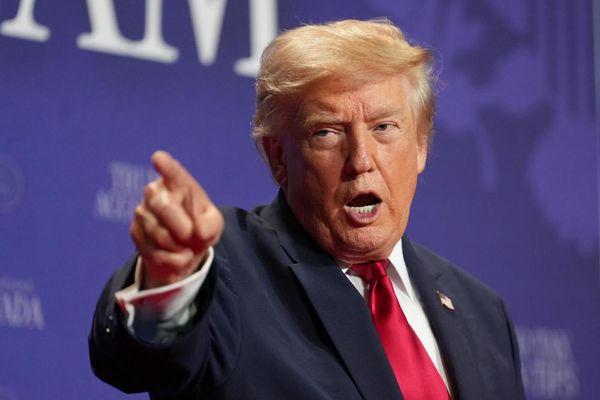
Donald Trump spent much of his first presidential campaign and his first year in office railing against “Obamacare” and vowing to “repeal and replace” it with the help of the Republican-controlled Congress that followed him into office after he defeated former secretary of state Hillary Clinton in 2016.
But after late Arizona senator John McCain doomed the Senate’s effort to repeal the legislation with a now-iconic “thumbs down” during a late night vote in August 2017, the president and his allies had to settle for the consolation prize of eliminating the tax penalty charged to Americans who failed to carry sufficient health coverage under the terms of the 2010 law.
Although Trump frequently claimed he’d roll out his own plan during the final three years of his first term — often promising to release it “in two weeks” but failing to do so — health care largely ceased to be an animating issue for him or his base as Obamacare grew more and more popular with the American public.
Four years later, and back in the White House, Trump still hasn’t come up with the plan he started promising to deliver during his first term, but in recent weeks he has attempted to explain away the current House GOP’s refusal to address the impending expiration of Covid-era expanded subsidies by recasting the tax credits as a giveaway to insurers that could be better spent as direct cash payments to Americans.
Federal subsidies for health insurance companies passed under the 2022 Biden-era Inflation Reduction Act are currently pushing monthly or annual healthcare premiums down to manageable levels for millions of Americans on the Affordable Care Act public exchanges. But they are set to expire and increase healthcare costs for 20 million Americans.
The fight over whether to continue those subsidies was part of the reason for the government shutdown earlier this year. Now, it’s a focus as the calendar turns to 2026. Despite renewed pressure and the threat of growing costs, the GOP and Trump can’t get on the same page regarding their extension. Democrats, meanwhile, are sitting on the sidelines waiting - and hoping - the Republicans can figure out their plan before costs skyrocket.
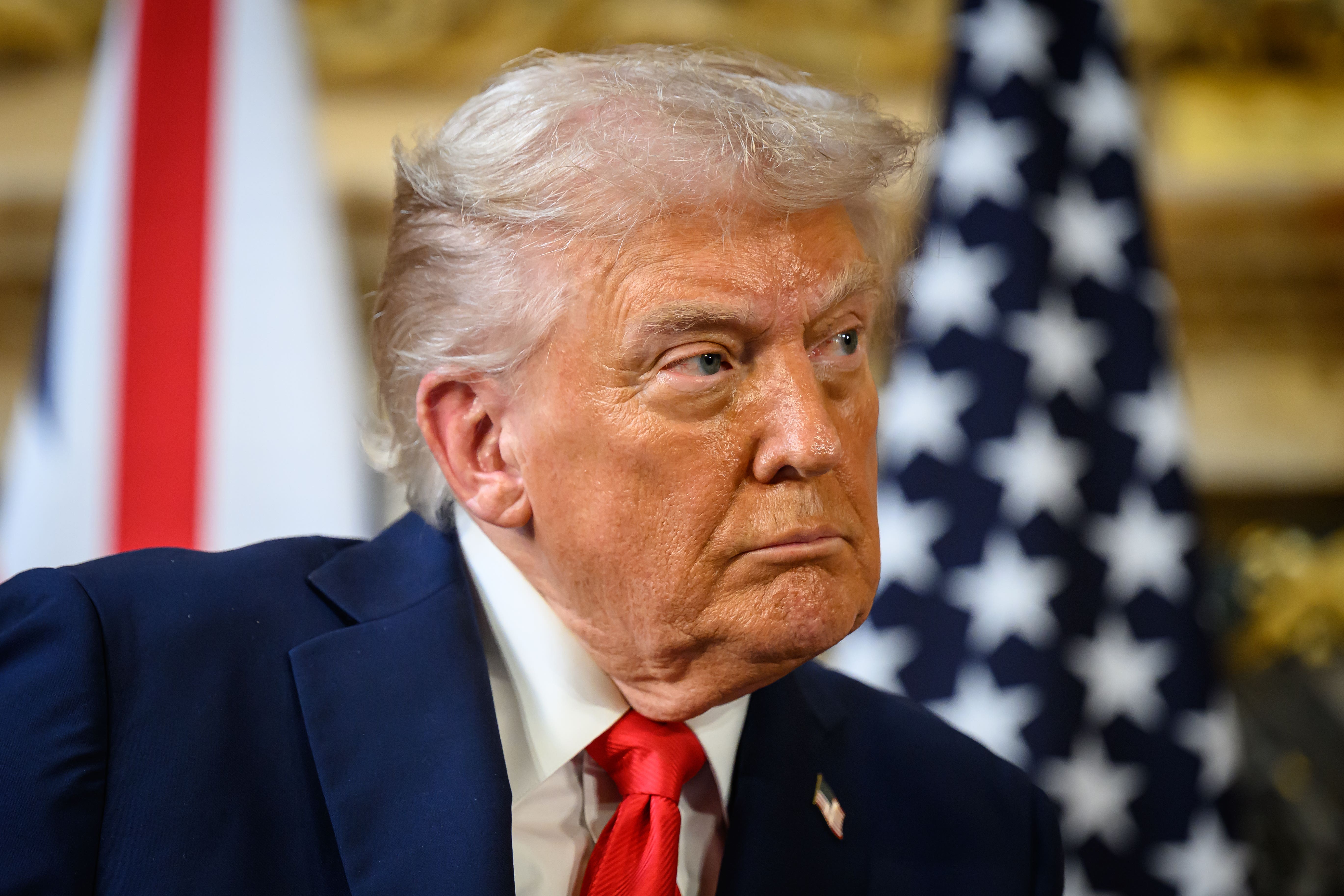
During an event in the Oval Office on Monday, Trump responded to a question about what he’d like the GOP Congress to do about the impending deadline by repeating a line he rolled out several weeks back, pushing the idea of direct payments again.
“I want all money going to the people and let the people buy their own health care. It'll be unbelievable. They'll do a great job. They'll get much better health care at a much lower cost,” he said.
Privately, White House officials and people in the president’s orbit who’ve spoken to The Independent in recent months say Trump is caught between his innate desire to make deals that will please people and his party’s partisan animus for former president Barack Obama’s signature legislative accomplishment.
Thus far, he has let Congress take the lead in what has been a heretofore fruitless effort to find a legislative vehicle that will either extend the subsidies or offer an alternative palatable enough to receive support from frontline Republicans in swing districts who support an extension that would prevent their constituents’ premiums from skyrocketing ahead of next year’s midterm elections.
Republicans elsewhere in Washington are no closer than the president, however. On Capitol Hill, there are no signs of a unified Republican vision for the nation’s health care system, beyond opposition to Obamacare and support for the vaguest of concepts, such as “innovation”.
In the Senate, Republicans are keenly aware that their party is facing the music. Following the pleadings of Sen. Bill Cassidy, the chair of the chamber’s committee on health, his caucus met with Democrats Monday to discuss a path forward for the long-term reforms he and conservatives want to make to the Affordable Care Act, as well as the immediate danger presented by the drop-off of federal premium subsidies in January.
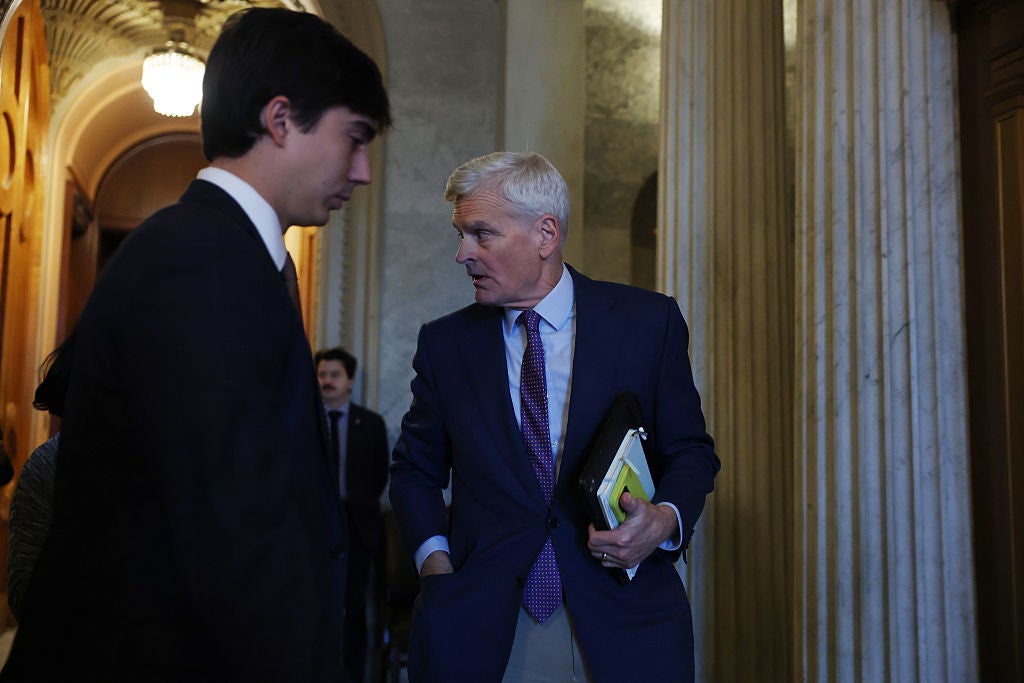
There’s no sign of a plan emerging just yet that could pass the Senate’s 60-vote filibuster threshold, but the meeting is a sign that the party is taking the seriousness of those impending premium spikes seriously. Cassidy, over the weekend, indicated that he’d support a short-term compromise bill extending the subsidies if Democrats were willing to discuss and vote for other reforms to the Obamacare program. His bill with Sen. Mike Crapo failed to clear the filibuster threshold after being called for a vote last week alongside a Democrat-supported plan to extend the subsidies for three years.
"I would be willing to do a short-term extension of the premium tax credit for those people with higher premiums if they will concede that we've got to do something for the $6,000 out of pocket [deductibles]," Cassidy told CBS News on Sunday. "I think there's a deal to be had here. We need to push for that deal."
Liberal members of the Democratic caucus, however, were skeptical that talks would lead towards the GOP passing significant reforms. Democratic lawmakers and staffers who spoke to The Independent noted that Republicans were still digging their heels on new amendement for restrictions on health savings accounts.
Sen. Ed Markey, a progressive from Massachusetts facing a primary challenge from Rep Seth Moulton, dismissed his Republican colleagues as unserious as a party and said that the GOP simply could not agree on a general platform.
“The last 15 years is highly predictive in terms of their inability to put together a comprehensive Republican health care substitute is highly predictive of where they are today,” Markey said.
“They haven't shown up for 15 years. They're not showing up today, and I cannot in any way trust them to be anything other than the hypocritical crocodile shedding– the crocodile-tear-shedding party that they’ve been on health care, really going back to Social Security.”
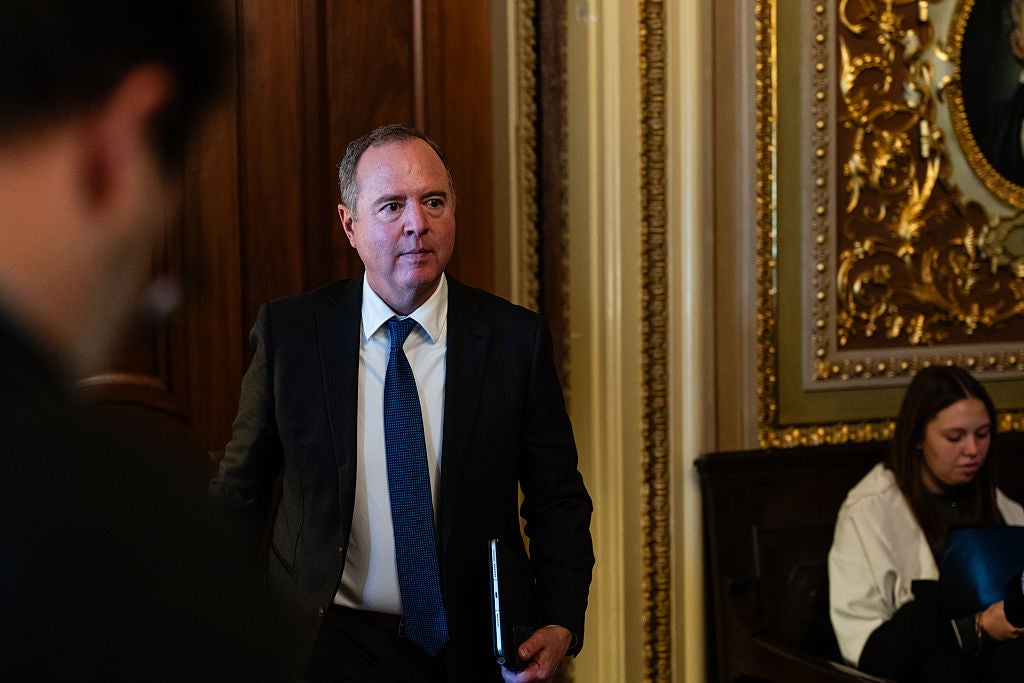
His colleague, Sen. Adam Schiff, added to The Independent: “They've never had any more than concepts of a plan for health care, and the reality is this is simply not a priority for them.”
Speaker Mike Johnson’s House caucus is another story. The GOP speaker is adamant that the chamber won’t vote on extended subsidies at all, regardless of whether or not the Senate passes a compromise bill. The upper chamber has shown a willingness to ignore Johnson’s declarations, however, and most recently declined to amend a bill aimed at forcing the release of the Jeffrey Epstein files after the House leader called on the chamber to do so.
Even moreso than in the Senate, however, Johnson faces the likelihood that a sudden end to federal subsidies (without a fix being implemented) could wipe out his members in blue-red districts next fall.
Johnson took searing criticism from one of those frontline members, Rep. Mike Lawler, on Tuesday.
“It’s idiotic,” Lawler, a Republican from New York, told reporters about Johnson’s refusal to allow votes on potential compromises with Democrats. “I am pissed for the American people. This is absolute bulls***.”
Overall, a congressional GOP that has worked in tandem with the White House all year now finds itself directionless. And a president who won office through political disgrace in part by tapping into Americans’ anger over affordability seems to be completely unaware of the urgency his allies are feeling in the face of a financial crisis bearing down on millions of voters at the beginning of an election year.
Kash Patel fires far-right agent who spread conspiracy theories about him
President Trump expands travel ban to include five more countries
Illinois law generates $1.5B to save public transit from fiscal calamity
Who is Don Jr’s fiancée Bettina Anderson?
Vanity Fair portraits of White House leaders hoped to cut through ‘political theater’