In many ways, it’s human nature to label things. We compartmentalise things, to put things in nice boxes. Labels keep our closets organised; they tell us what section of a store to shop in. It makes the world easier to understand and navigate. However, this tendency becomes a problem when we start sticking those labels on people.
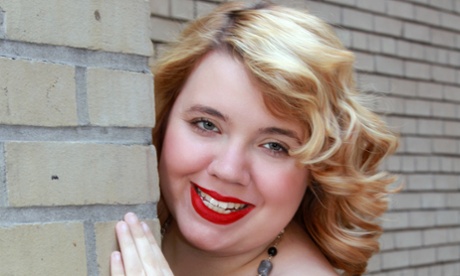
“Prude”, “the Blind Girl”, “Chatterbox”, “the Nice Girl”… These are just a few of the labels I was given in middle and high school. Now, I know what you’re thinking: not all of those seem so bad. And you’re correct. I am blind, I do talk a lot, and I’d like to think of myself as nice. And, yeah, ok, maybe I was a little bit uptight in high school.
But I was more than all of those labels. At least, I thought I was…
But if my peers only saw me as those things, did that make it true? I started to resent even the positive label of “nice girl” because it felt so reductive. I second-guessed myself every time I spoke for fear of being called a “chatterbox.” I even resorted to hiding my disability when I met new people because I didn’t want them to only see me as a “blind girl”.
I began changing myself – or trying to – because I so badly wanted to separate from the labels I’d been given.
This is the risk we run when we stick labels on each other. By putting our friends, family, or peers into neat boxes, we reduce them from complex individuals to a one or two word summary of their character. Even the positive and/or complimentary labels can take their toll – “the Pretty Girl” begins to wonder if anyone notices her beyond her appearance; “the Jock” starts to think sports are all he has to offer.
I think this is most problematic for teens, especially, who are still, in many ways, trying to figure out who they are. By shoving them into constricting labels, the choice is instantaneously made for them. Some will try to change themselves, as I did, in the hope of escaping the label. Others will feel pressured to stay in the confines of that neat box, assuming that role is the one everyone wants them to play, even if they don’t see themselves that way.
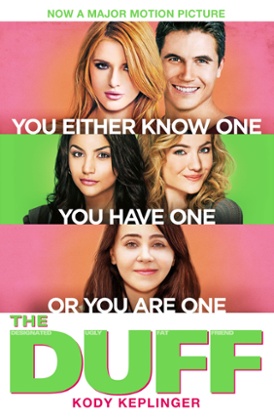
We must stop doing this – because these labels we stamp on each other do so much more harm than good. Instead, we should allow people to be complicated and different and acknowledge their complexities. Instead of reducing people to a few descriptors, let’s let them define themselves. Because “the Pretty Girl” might be incredibly intelligent if she’s given the chance to shine. “The Jock” might be an artistic genius if we let him show that side of himself. And the “Chatterbox” – she might not be talking just to hear her own voice. She might have a point to make.
So while it might be in our nature to label, let’s save the labels for our closets and stores – and make an effort to stop labelling the people around us.
The Duff is available at the Guardian Bookshop. You can read an extract from it here.