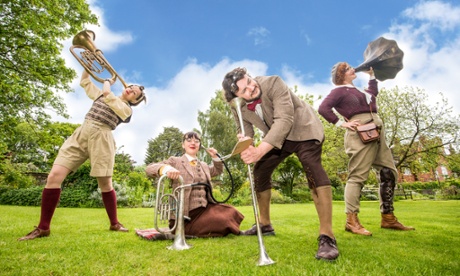
The outdoor theatre season is upon us. Over recent weeks, I’ve stood in the drizzle in Brighton and in the blazing sunshine in Greenwich, watching small- and large-scale work, some of it very good indeed, and listening to the very particular merry gurgle of an alfresco crowd enjoying themselves. It is the most democratic of art forms, generally free at the point of delivery and with an audience who can walk away at any time.
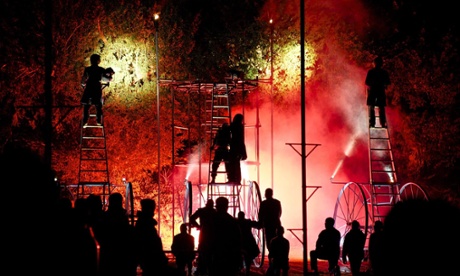
There is an increasing sense, particularly post-2012, that UK companies are getting more confident about making outdoor theatre and putting together high-quality shows. The Without Walls commissions supporting the creation of new touring work have definitely raised the bar. The remarkable 101 outdoor arts creation space near Newbury on the site of the old Greenham Common cruise-missile base is playing its part too, offering 10,000 sq ft of warehouse space and caravan accommodation where companies can undertake residencies and create large-scale work. Periplum’s current show, 451, inspired by Ray Bradbury’s novel Fahrenheit 451, was developed and supported there.
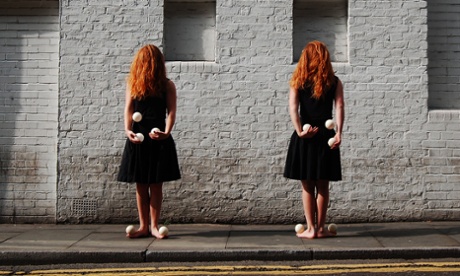
Outdoor theatre no longer feels like a cul-de-sac but is becoming a two-way street. Excellent companies such as Gandini Juggling and Tangled Feet are working both indoors and out, and applying contemporary theatre techniques to outdoor work and making it open to a wider range of influences.
Historically, local authorities have been greater investors in outdoor theatre than the Arts Council, and with budgets under continuing stress, this blossoming sector needs all the help it can get. Perhaps that might come from theatres themselves. British theatre is getting so much better at going out into the community rather than just expecting the community to come to it, but work is still often constrained by the walls themselves. Theatres don’t think beyond filling their own stages and auditoria.
But theatre that takes place outside of theatres gets an instant audience – including many people who think that theatre is not for them, or that it’s too expensive, or too posh. If every building of significant size and investment was obliged to put on outdoor work in public spaces as part its public funding requirements, they would instantly serve a much broader range of people and, in the process, strengthen the relationship of the building to those who live and work around it. Research suggests that the audience is likely to be predominantly local. Currently, those theatres that do run outdoor programmes often seem to see it as an add-on to their main business of selling tickets for the proper work that goes on indoors. The kind of fledgling relationship that is being built between Winchester’s Theatre Royal and Hat Fair outdoor arts festival is still all too rare.
There are, of course, significant problems with this idea. Outdoor theatre seldom conforms to the requirements of venue producers who often judge prospective work through scripts. It requires just as much investment as for work created for main stages if it’s going to be of high quality, and yet it is unlikely to bring the same financial return. Theatre marketing departments tend not to be geared up to the challenges of generating audiences for free events.
And unlike traditional theatre runs, there is no opportunity for previews: shows have to hit the ground running. Hence the importance of the 101 model for supporting new work, which it is doing while simultaneously developing informed audiences for the performances within Newbury itself.
The advantages could be significant. But when most money and power still resides in the UK within theatre buildings, this can’t be a marriage of convenience, but must be a genuine relationship. After all, while outdoor work may present many untapped benefits for building-based institutions, the work that outdoor companies produce must be valued for what it is and what it offers audiences now, not just what it can do for buildings seeking to engage with those who may never step inside.