First, let’s deal with the obvious: this year’s cuts to the Library of Birmingham’s opening hours have been hugely controversial and difficult.
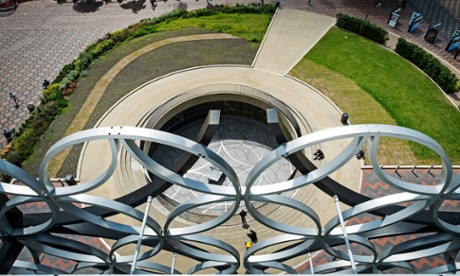
It is an extraordinary, iconic building that’s helped put Birmingham back on the map. No one wanted to undermine that, least of all the politicians whose job it is to champion our city.
Now, with the announcement that we’ll be able to open the library doors from 9am until 9pm on weekdays, we’re back in a positive place, and it’s worth reflecting on the past 12 months.
Here at Birmingham city council, we’re wrestling with how to maintain essential services while taking £850m out of our annual budget, and cutting our workforce by about two-thirds. In that context, any argument that starts from the premise that things should stay the same is never going to stack up, no matter how much we might wish it could.
I knew people would be upset and angry – as I was – by the cuts to the library’s opening hours, but we couldn’t just sit back and hope that the storm of (justified) public anger would pass.
So even while we were making the difficult decisions needed to balance the books for the current financial year, we were also thinking long-term about how we could draw in partners and services from inside and outside of the council.“Partnership working” may sound like a line we trot out, but it is in reality the only game in town. When done properly, it is not just words; we can maintain public library services with new models of working.
I am passionate that library services should remain public, but I also know people use libraries differently today. If we want to keep library services public, we have to think about how we use the buildings they occupy and how people use those buildings today.
Our cultural partnership with the British Library brings together curatorial expertise to take advantage of world-class collections at both libraries, while Google’s Digital Garage offers a space for small businesses and entrepreneurs to learn how to make the most of digital resources and tools.
Google had already approached us about running a Digital Garage, and a relationship between Google and the library was an ideal solution for both. Although we already had a strong relationship with the British Library in terms of intellectual property, we approached them about widening that relationship; they particularly wanted to learn from the way we allow public access to our archives. Their vision statement says they want a bigger presence outside London, so this was a perfect approach for us to show what we could offer.
And now with Brasshouse @ Library of Birmingham, we’re moving our language service to this modern, fit-for-purpose setting – and in doing so making savings that will enable the Library of Birmingham to operate a much better set of opening hours.
Local government isn’t going to get any easier over the next few years, and local politicians have no choice but to rise to the transformation challenge. If we want to hang onto the services we all value, things are going to have to change.
Sign up here for your free weekly Guardian Public Leaders newsletter with news and analysis sent direct to you every Thursday. Follow us on Twitter via @Guardianpublic