The case for the BBC exploiting its content and intellectual property on behalf of licence payers who funded it is a hard one to argue with. Investing in ways – and new digital ways – of doing that in terms of programme sales and merchandising is probably the right thing to do.
It might also be right to establish BBC branded channels around the world as a way of maximising those returns to licence payers and to build the BBC’s (and Britain’s) global presence. And it might also be right to produce programmes abroad to feed those channels and maximise returns from BBC formats sold separately to overseas broadcasters by producing them rather than simply selling the rights. If the BBC has a commercial subsidiary to conduct this business on its behalf, then for reasons of strategic coherence and to protect the BBC’s global reputation, it needs to be closely aligned with the BBC’s principal public service UK core operations. That all means that any argument to privatise BBC Worldwide – as is canvassed in the government’s charter review green paper – would take some winning.
So far, so good. But there’s another key question: is BBC Worldwide doing as well as it could in returning benefits to licence payers? Here it’s very difficult to get a clear or convincing answer.
Once upon a time the BBC’s commercial arm was called BBC Enterprises and it really wasn’t very commercial at all. It sold finished programmes and the occasional format and poured virtually everything it received in return straight back into new BBC programmes – whether or not all those new programmes were ever really likely to provide a return on the investment in terms of future programme sales. It suited the BBC’s UK programme commissioners but as a result BBC Enterprises made very modest profits indeed.
Then BBC Enterprises was renamed BBC Worldwide and refocused on demonstrating commercial efficiency through profitability. New, more corporately ambitious executives took the helm, and with at least one eye on personal career building set about making BBC Worldwide much more commercial. Out went uneconomic investments in new programmes, up went profits and in came major investments expanding the company into international production and global channels. Spool forward to today and BBC Worldwide turns over in excess of £1bn a year, runs more than 30 channels around the world with claimed audiences of more than 150 million people, is the biggest global distributor of TV programmes and formats outside the major US Studios and just last week launched “BBC Store” – a new digital venture where you can buy BBC shows, current and classic, online - which is spun in some quarters as the BBC’s answer to Netflix and Amazon.
Nearly 2,000 staff beaver away generating profits of around £130m a year and “returns to the BBC” – if you add in £94m of investments in new programmes – of around £220m a year. With promises to return £1.2bn to hard-pressed BBC coffers over the next five years. It sounds like a lot, although in the context of the £750m a year the BBC itself says it will have to save as a result of taking on the cost of free TV licences for over-75s, it might seem less so. And by conflating profits with programme investments - many of which the market could well step in to make given the chance - Worldwide might be, as they say, gilding the lily. Is Worldwide really delivering as much as it can?
Worldwide’s profit margin runs at roughly half the industry average for TV distribution businesses, and the way the company reports its results by geographical territory rather than by business activity makes it impossible to know whether the tens of millions of pounds spent on building overseas production businesses and creating a network of global channels is money well spent.
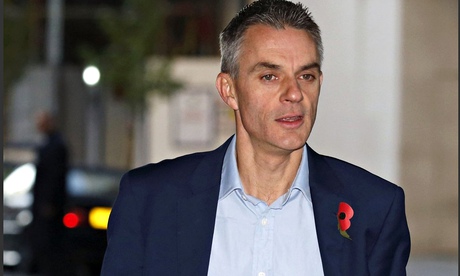
Worldwide’s CEO Tim Davie said on Radio 4’s The Media Show last week that Worldwide makes £70m from those channels. Yet well over half comes from the BBC’s 50% share in UKTV. So what are the other 30 global channels delivering? It appears that the one UKTV deal (which was signed back under John Birt in the late 90s) accounts for the lion’s share of all the profit declared by BBC Worldwide for the UK, which in turn is around 40% of all BBC Worldwide’s global profits.
Generally, when asked questions about the commercial performance of the business, BBC Worldwide points towards the overall turnover and profit numbers, protecting any other details under commercial confidentiality, despite claiming to be more transparent than its market competitors.
So is BBC Worldwide doing as well for licence payers as it could? Is it making smart commercial investments for the future on our behalf or indulging corporate vanity? Is there a case for fundamental reform? It’s difficult to tell. But if it wants to make its case for remaining a central part of – and vital contributor to – the BBC’s future, it needs to be more open about how it’s making the most of the licence fee payers’ money it has been given to play with [see footnote].
• This footnote was appended on 18 November 2015. The article says that BBC Worldwide should be more open about “how it’s making the most of the licence fee payers’ money it has been given to play with”. To clarify: BBC Worldwide is self-funding and does not receive any licence fee income. However, it works with BBC assets that have been created using licence fee income.