

Banks don’t slam the brakes on customer accounts for no reason—but lately, closures have surged in a way that feels sudden and confusing. One day everything works fine, and the next day a debit card declines or an account disappears entirely. Behind the scenes, financial institutions now face stricter regulations, advanced fraud detection systems, and growing pressure to monitor suspicious activity.
That combination has created a perfect storm where ordinary customers sometimes get caught in the crossfire. Knowing why this happens—and how to stay off a bank’s radar—can save time, stress, and serious financial disruption.
What’s Driving the Rise in Account Closures
Banks now operate under intense regulatory scrutiny, and compliance departments no longer take chances with questionable activity. Government agencies require strict adherence to anti-money laundering laws, fraud prevention standards, and identity verification protocols. Even small inconsistencies can trigger internal reviews that escalate quickly into account shutdowns. Financial institutions prefer to close accounts rather than risk penalties, which can reach millions of dollars. This cautious approach explains why closures seem more aggressive and widespread than before.
Technology also plays a major role in this trend, and it doesn’t always work in customers’ favor. Automated monitoring systems scan transactions in real time and flag patterns that look unusual or risky. These systems don’t interpret context the way humans do, so perfectly legitimate behavior can raise red flags. For example, sudden large deposits, frequent transfers, or international activity can trigger alerts instantly. Once flagged, accounts enter compliance review pipelines that often lead to closures without detailed explanation.
Common Red Flags That Trigger Compliance Reviews
Banks don’t publish a checklist of behaviors that trigger reviews, but patterns have become clear over time. Frequent large cash deposits often attract attention, especially when they don’t match a customer’s typical activity. Rapid movement of funds between multiple accounts can also appear suspicious, even if done for legitimate reasons like budgeting or investing. Inconsistent personal information across accounts or documents creates another major red flag. These factors combine to form risk profiles that banks monitor closely.
Seemingly harmless habits can also cause problems when they resemble known fraud patterns. Using payment apps heavily, sending money to unfamiliar recipients, or receiving multiple small deposits can raise suspicion. Even business owners sometimes face closures when their transaction volume spikes unexpectedly. Banks don’t always distinguish between growth and risk without additional documentation. That lack of nuance means everyday financial behavior can sometimes look like something it isn’t.
Why Banks Rarely Give Clear Explanations
Customers often feel frustrated when a bank closes an account without offering a clear reason. Regulations actually limit what banks can disclose, especially when they suspect fraud or illegal activity. Revealing too much information could tip off bad actors and weaken future investigations. As a result, institutions rely on vague language like “risk concerns” or “terms violations.” That lack of transparency leaves customers guessing about what went wrong.
Internal policies also encourage minimal communication during closures. Compliance teams prioritize speed and risk mitigation over customer experience in these situations. Once a decision gets finalized, reversing it becomes extremely difficult. Banks often choose to end relationships permanently rather than reevaluate individual cases. This approach protects the institution but creates confusion and stress for affected account holders.
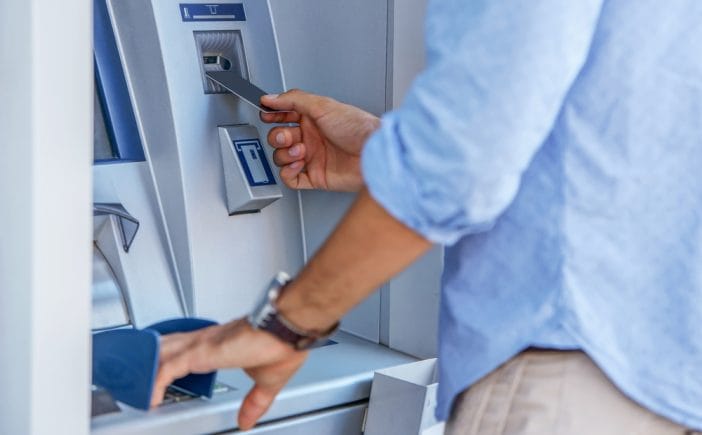
How Account Closures Can Impact Your Finances
A sudden account closure can disrupt daily life in ways many people don’t anticipate. Automatic bill payments may fail, leading to late fees or service interruptions. Direct deposits from employers can bounce, creating payroll complications that take time to fix. Access to funds may become temporarily restricted while the bank processes the closure. These issues can cascade quickly if not addressed right away.
Long-term consequences can also follow an account closure. Banks may report closures to reporting agencies, which track banking history. A negative record can make opening new accounts more difficult in the future. Some customers find themselves limited to second-chance banking options with higher fees and restrictions. That ripple effect highlights why prevention matters far more than reaction.
Smart Strategies to Protect Your Bank Account
Preventing a compliance-related closure starts with keeping financial activity consistent and transparent. Regular transaction patterns help banks establish a clear baseline for what “normal” looks like. Sudden changes, such as large deposits or unusual transfers, should come with documentation whenever possible. Keeping records of income sources, invoices, or contracts can make a difference if questions arise. Clear documentation reduces the risk of misinterpretation.
Communication also plays a key role in protecting your account. Informing your bank about major financial changes—like starting a business or receiving a large payment—can prevent unnecessary flags. Using accounts for their intended purpose matters as well, since mixing personal and business transactions often triggers reviews. Staying within account terms and avoiding risky behaviors keeps profiles clean. These simple habits significantly lower the chances of account closure.
What to Do If Your Account Gets Closed
Quick action can minimize the damage when a bank closes an account. Contacting the institution immediately helps clarify next steps and timelines for accessing remaining funds. Requesting written confirmation of the closure ensures there’s documentation for future reference. Opening a new account at a different bank should happen as soon as possible to restore financial stability. Acting fast reduces disruptions to income and bill payments.
Reviewing personal financial habits also becomes essential after a closure. Identifying potential triggers helps prevent the same issue from happening again. Taking corrective steps, such as improving documentation or separating business finances, strengthens future applications. A proactive approach turns a frustrating situation into a learning opportunity.
Stay One Step Ahead of Compliance Crackdowns
Banks won’t ease up on compliance anytime soon, and account closures will likely remain part of the landscape. Customers who stay organized, transparent, and consistent with their financial behavior face far fewer risks. Awareness of red flags and proactive communication can prevent most issues before they escalate. Treating banking relationships with the same care as credit or investments makes a noticeable difference. Small habits today can protect access to essential financial tools tomorrow.
What steps have been taken to keep banking activity clean and consistent in today’s stricter financial environment? We want to hear your thoughts in our comments below.
You May Also Like…
How To Spot a Fake Mechanic Before They Drain Your Bank Account
6 Things Guys Should Never Store in Their Wallets
Why Institutions Are Quietly Passing on U.S. Debt—And What It Means for Your Savings Account
8 Common Ways People Accidentally Give Scammers Permission to Access Their Accounts
Retirement Account Mistakes Trigger Taxes and These Moves Need Double Checking
The post Why Banks Are Suddenly Closing Accounts During Compliance Reviews — And How to Protect Yourself appeared first on Clever Dude Personal Finance & Money.