A recent survey by the Forum of Private Business revealed that business costs continued to rise during 2014, fuelled by mushrooming energy and transport costs. Some 70% of businesses reported an increase in the amount they pay for energy.
Despite the increased financial burden, NPower’s 2013 Business Energy Index noted that 53% of SMEs in the UK have no methods in place to manage energy efficiency.
Why not?
Rowan Wallis, director of energy consultancy the Sustainable Business Partnership, said business owners and CEOs are often too busy and don’t know where to begin.
“Time is the biggest barrier,” he said. “Time to stop for an hour and look at something different. Also, many SMEs don’t know where to start when looking at energy issues – so they do another job first.”
Know the detail
“The first thing we encourage SMEs to do is to get on top of what energy they are using, where they use it and how much they are spending,” Wallis said. “Look at energy bills, request a detailed breakdown on usage from your provider, rather than shoving it in a drawer. You can also get a smart meter, which can provide a half hourly breakdown of usage.”
Once they have done this, SMEs need to examine energy tariffs, he said. It is important to know which tariff they are on, how much they are charged and how this compares with rival offers.
Tariff confusion
The Federation of Small Businesses believes SMEs want to become more energy efficient but many are still bamboozled by power companies’ pricing tariffs. A recent FSB members’ survey found that 58% believe energy bills are difficult to understand and 70% find it tough to compare tariffs.
Start small
Saving money by being a little bit more energy savvy doesn’t have to be difficult. There will be plenty of low-hanging fruit to pick – start with the things you do understand.
Utilitywise, the energy and water cost consultancy, has three simple energy saving tips for smaller firms.
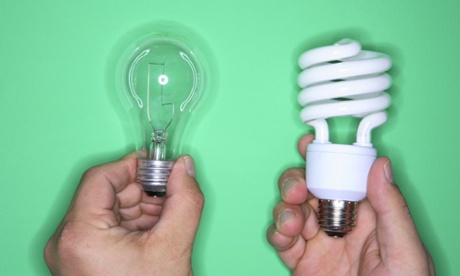
Switch computers and other machines off at the end of the day, change light bulbs to more energy efficient LED spotlights (which use 92% less energy than the halogen equivalents). Finally, keep your heating under control by setting the thermostat to between 19 to 21 degrees and declare war on draughts by fitting draught excluders to doors and windows.
It all adds up
Turning off the lights might not seem like much, but it all adds up. Research carried out by the Energy Efficiency Financing scheme found that SMEs in the hospitality sector overspend by almost £92m every year on energy bills. That’s a lot of cash that could otherwise be spent elsewhere. So, look after the pennies and the pounds look after themselves.
Small changes make big savings
Introducing some low-cost tweaks to operational efficiencies, such as ensuring heating, lighting and machinery are all switched off and properly controlled out of hours, can deliver savings of 5 to 10%, according to Myles McCarthy, director of implementation at The Carbon Trust.
“There are opportunities for cost-efficient energy savings in all businesses,” he said. “It requires a disciplined approach to shutdown, the appropriate use of controls and educating staff about shutdown.”
Invest in the future
Saving cash and becoming more efficient may require some investment. When replacing old equipment – either related to the premises, such as wiring, fixtures, or industrial kit – McCarthy said it is always worth posing the question: “What is the whole life cost of the equipment?”, rather than being swayed by the price tag.
“Buying a more efficient piece of equipment may cost you more today, but it is by far a more cost-effective solution in the long-term,” he added.
McCarthy reckons these decisions could reap potential energy cost savings of 20% to 30%.
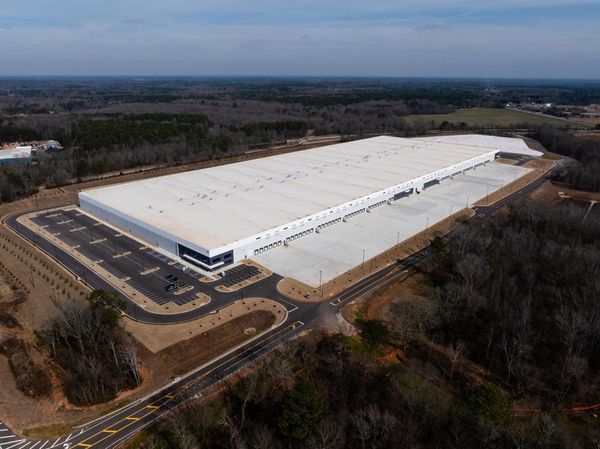
For example, it may cost 50% more to fit a good LED lighting system in a large warehouse compared with a standard system, but it could cut the bill for lighting up the place by 70%.
Go green
For some, particularly larger SMEs it may make financial sense to install renewable power sources. Putting solar PV panels on the roof to generate electricity or a biomass boiler to heat a large office or factory may cost thousands to install but they also come with financial incentives. Users may be eligible for payments under the government’s Feed-In-Tariff or Renewable Heat Incentive, which reduces the payback period for the capital cost for the kit.
McCarthy said: “We would always encourage businesses to use energy more efficiently before moving on to generate their own energy. That’s because energy efficiency is very likely to be the best financial case for them – they can then use any savings to support them to do renewables.”
Stay ahead
For smaller companies, cutting around 20 to 30% off energy costs could be the difference between success or failure, while larger businesses can vastly improve their sustainability. So why not go for it?
“The impact on the bottom line could be quite significant,” said McCarthy. “It needs to be looked at to stay ahead of the game.”
This advertisement feature is produced by NatWest, sponsor of the winning new business and business essentials hubs.