
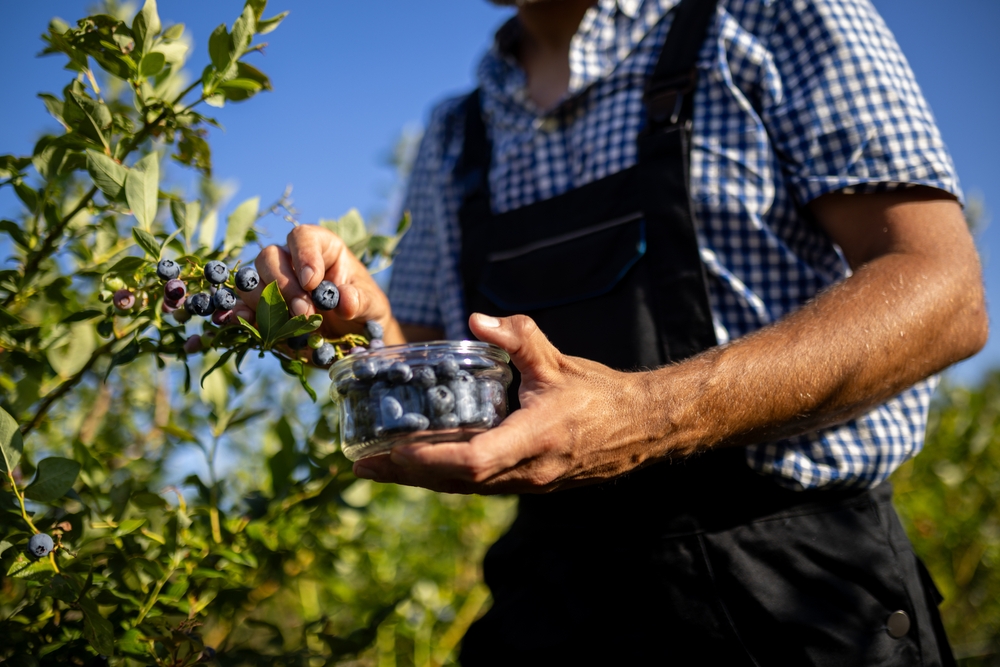
Small blueberries can turn a promising harvest into a bowl of tiny blue marbles, especially when the bushes look healthy and leafy. The good news is that undersized fruit usually points to a specific growing problem, and the culprit may have nothing to do with the variety of blueberry planted in the garden.
Blueberries need the right combination of pollination, moisture, sunlight, soil conditions, and plant energy to fill out properly. A bush can produce plenty of berries while still struggling to enlarge them, so the mystery often requires a little detective work. Before blaming the weather or reaching for more fertilizer, check these common causes.
The Flowers May Not Have Received Enough Pollination
Blueberries can produce fruit with pollen from the same plant, but many varieties produce a better crop when bees move pollen between compatible blueberry plants. That matters because a flower that receives limited or incomplete pollination may produce a smaller berry with fewer seeds and less potential to expand. A bush covered in flowers can therefore look wonderfully productive while quietly setting up a disappointing harvest.
Cool, rainy, or windy weather during bloom can reduce bee activity at exactly the wrong time. A garden with only one blueberry bush may also see less effective cross-pollination than a planting with compatible varieties that bloom together. If small berries appear across the entire bush, especially after a chilly or wet flowering period, pollination deserves a spot near the top of the suspect list.
Drought Stress Can Shrink the Harvest
Blueberries have relatively shallow root systems, so they can react quickly when the soil dries out. The plant needs a steady supply of moisture while fruit develops, and repeated swings from dry soil to heavy watering can interfere with consistent berry growth. A bush may survive the stress, but the berries can remain noticeably smaller.
This problem often appears when a plant looks fine from a distance but the soil around its roots dries quickly during hot weather. A layer of acidic organic mulch, such as pine bark or pine needles, can help reduce evaporation and moderate soil conditions without piling material directly against the stems. Water deeply when the soil begins to dry rather than giving the bush frequent little sips that barely reach the root zone.
Too Much Fertilizer Can Send Energy Elsewhere
A blueberry bush does not need a buffet of fertilizer to produce a good crop. Excess nitrogen can encourage vigorous leafy growth and long shoots while leaving the plant with less energy to devote to developing fruit. The result can look almost comical: a magnificent green shrub carrying berries that seem to have missed the memo about getting bigger.
Fresh manure and general-purpose lawn fertilizers create particular problems because they may not match the plant’s needs. Blueberries prefer acidic soil, and their roots can suffer when gardeners keep adding nutrients without checking the growing conditions first. A soil test provides far better guidance than guessing, especially when a bush produces abundant foliage but consistently small fruit.
The Soil May Not Suit the Blueberry Bush
Blueberries need acidic soil, and the wrong pH can interfere with the plant’s ability to access important nutrients. Even when the soil contains those nutrients, an unsuitable pH can make them less available to the roots. Yellowing leaves, weak growth, and disappointing fruit can all appear when the root environment falls outside the plant’s preferred range.
This issue often sneaks up on gardeners who start with suitable soil and then add amendments that gradually change conditions. Concrete foundations, nearby lawns, irrigation water, and repeated applications of the wrong fertilizer can all influence soil chemistry over time. A soil test can reveal whether the bush needs a carefully planned correction, rather than another handful of fertilizer tossed around the base in hopeful desperation.
The Bush May Carry More Fruit Than It Can Finish
A blueberry bush has a limited amount of energy available for producing leaves, roots, new growth, and fruit. When an unusually heavy bloom sets a large crop, the plant may struggle to enlarge every berry to the size gardeners expect. In that situation, small fruit does not necessarily signal a serious disease or permanent problem.
Pruning can help maintain a balance between older fruiting wood and newer productive growth, but timing and technique matter. Removing weak, crowded, damaged, or overly old canes during the dormant season can improve the structure of an established bush and help sunlight reach the canopy. Gardeners should avoid hacking the entire plant into submission, because aggressive pruning can remove productive wood and reduce the next harvest.
Heat, Crowding, and Competition Can Steal Berry Size
Blueberries need good sunlight for strong growth and fruit production, while overcrowded branches can create a dense canopy that limits light and air movement. Nearby shrubs, trees, fences, or rapidly growing plants can gradually change conditions around a blueberry bush without anyone noticing. A plant that enjoyed full sun when it went into the ground may now spend part of the day in shade.
Roots also compete for water and nutrients when grass or other plants grow right around the bush. Keeping the area beneath the canopy relatively free from competition can make moisture management much easier. During hot weather, consistent watering matters even more, because the plant must keep supporting both its foliage and its developing fruit.
Bigger Berries Start With a Better Investigation
The smartest fix begins with the pattern of the problem. Small berries across every bush suggest issues such as weather during bloom, soil conditions, water stress, or heavy fruit set, while problems limited to one plant may point toward root damage, poor placement, disease, or a problem with that particular bush. The leaves, flowers, branches, and soil can tell a surprisingly detailed story when gardeners take a close look.
Start with the basics: check the soil moisture, inspect the amount of sunlight, consider what happened during flowering, and arrange a soil test before adding major amendments. Review the plant’s pruning history and look for signs of overcrowding or competition from nearby vegetation. Blueberries rarely need a dramatic rescue mission, but they do reward gardeners who solve the actual problem instead of treating every disappointing harvest with more fertilizer.
Give Those Tiny Berries a Better Chance Next Season
Small blueberries usually offer a clue rather than a gardening verdict. Better pollination, steady moisture, suitable acidic soil, balanced nutrition, appropriate pruning, and enough sunlight can all help a bush direct more energy toward plump, flavorful fruit. The best solution depends on which part of that growing equation went off track.
A close look at this season’s harvest can guide next year’s improvements, and gardeners should resist the temptation to change everything at once. Correcting the soil without addressing drought, for example, may leave the original problem untouched, while heavy pruning may create a new one. Find the weak link, make a measured correction, and give the plant time to respond.
What has caused the smallest blueberry harvest in your garden, and what fix made the biggest difference? Share your experience in the comments.
You May Also Like…
Can You Grow Blackcurrants in a Large Patio Container?
What Is Making Your Zucchini Fruit Shrivel Before Growing?
Why Are Your Eggplants Flowering Without Making Fruit?
Why Do Some Melons Stop Setting Fruit During the Hottest Weeks?
How to Use Berry-Bearing Shrubs for Winter Garden Drama
The post Why Are Your Blueberries Staying Small This Season? appeared first on Frugal Gardening.