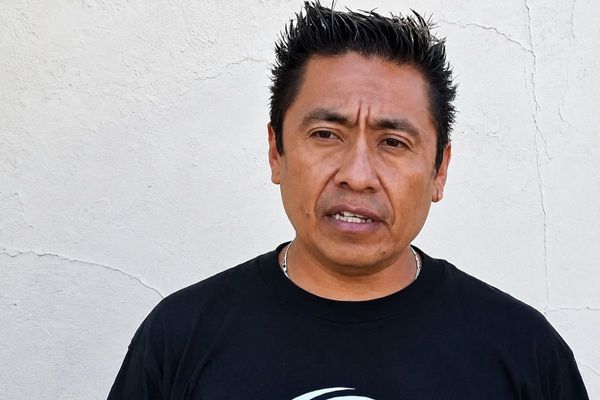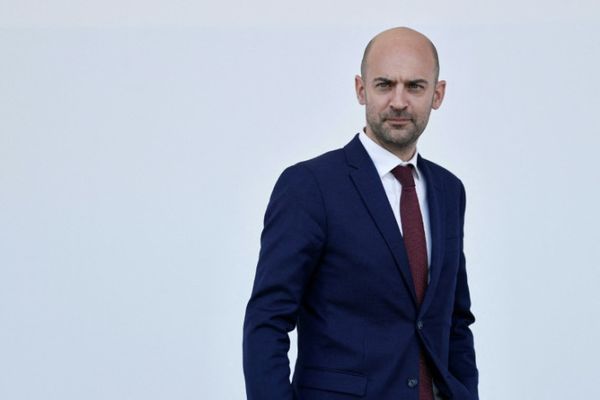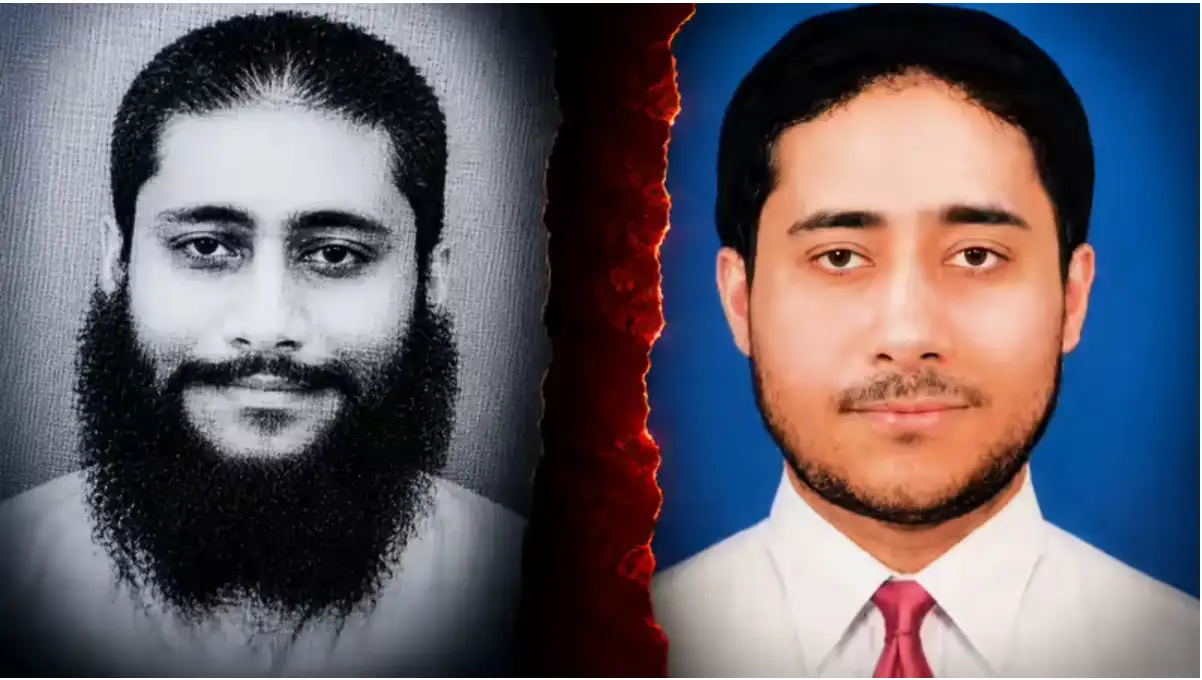
Lashkar-e-Taiba (LeT) operative Usman Jutt, who had allegedly infiltrated India from Pakistan with the objective of establishing a sleeper cell, reportedly paused his mission to undergo a hair transplant procedure at a medical clinic in Srinagar.
According to officials, Jutt’s operational activities were temporarily set aside as he sought cosmetic treatment, raising questions about personal motivations intersecting with clandestine assignments.
Similar case reported involving Delhi Police arrest
In a related case, another suspected operative, Shabbir Ahmed Lone, who was allegedly involved in setting up a LeT module in Bangladesh, reportedly underwent a dental procedure at a private clinic in Gurgaon prior to his arrest by the Delhi Police in March.
Sources said Lone was arrested after investigators tracked alleged members of his network, believed to have been recruited from West Bengal and Tamil Nadu, who had put up inflammatory posters in the city ahead of the AI summit.
Chargesheet to include details of medical procedures
Officials said a forthcoming chargesheet filed by the special cell will include details of these medical treatments as part of the investigation.
Investigators also noted that such cosmetic and medical procedures may, in some cases, be used to alter appearance and potentially evade surveillance systems.
Surveillance evasion concerns linked to facial changes
Officials pointed out that modern counter-terrorism surveillance relies heavily on artificial intelligence and biometric facial recognition systems used at transit points globally. These systems map fixed facial features such as the distance between eyes, nose structure, jawline and forehead boundaries.
Investigators said altering these features may help individuals evade detection during international travel.
They also cited historical examples, including 26/11 plotter Sajid Mir, who reportedly underwent plastic surgery to change his appearance, as well as Cold War-era fugitive Carlos the Jackal, both of whom are believed to have used facial transformations to avoid airport surveillance and cross borders using forged identities.