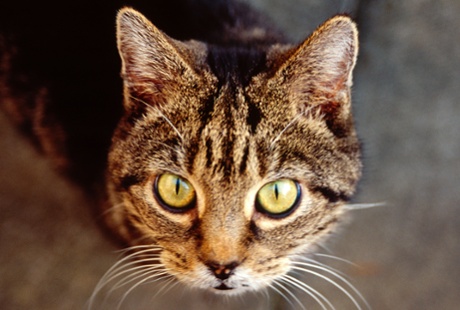
From salmon doused in weedkiller to tinned tuna soaked in antifreeze, an array of nasty poisonings have killed cats recently. Six attacks on two streets in Baxenden, Lancashire, one killing Jaffa, the ginger cat of local MP Graham Jones, have hit the headlines, but the fatalities have been nationwide, from South Shields to Southport.
Calls to the RSPCA about poisonings increased from 862 in 2013 to 919 in 2014 and already stand at 767 this year. So, why are we dishing out such cruelty to humankind’s second-best friend?
It may be partly that there are many more cats. The Pet Food Manufacturer’s Association estimates that their population has nearly doubled from 4.1m in 1965 to 7.9m in 2014.
More cats means more deaths, but a large cat population is also increasingly controversial. Earlier this year, I was savaged online for fantasising about humanely reducing the cat population to zero (it was a thought experiment, your honour), but wildlife lovers from Chris Packham to Jonathan Franzen have highlighted the domestic moggy’s devastating impact on wildlife. Franzen even admitted contemplating stealing a neighbour’s cat and placing it in a cat sanctuary – eventually getting the cantankerous fictional hero of Freedom to perform this dastardly act.
But animal lovers would never deliberately kill cats. Would gardeners risk six months in prison for cruelly killing a cat that soils their blessed plot?
Caroline Reay, chief veterinary surgeon for the pet charity Blue Cross, injects a dose of perspective. “I wouldn’t want to say it’s all hype, but far more cats get run over than poisoned by antifreeze,” she says. Reay believes the poisonings appear to be increasing due to growing awareness – and so vets are more likely to investigate the cause of death.
According to Reay, many poisonings are accidental: cats are given paracetamol by misguided owners or ingest poisonous lily pollen. And antifreeze? If a cat naps under a car and antifreeze drips onto its coat, it will lick it off.
Some cat lovers want a bittering agent added to antifreeze, but cats still lick bitter substances off their coats. Both Reay and Cats Protection suggest solutions that might unite cat lovers and haters: keep your cat indoors at night and get it neutered to reduce its daytime wandering. This will protect it fromdangerous roads, as well as from the occasional psychopath with a feline grudge.