
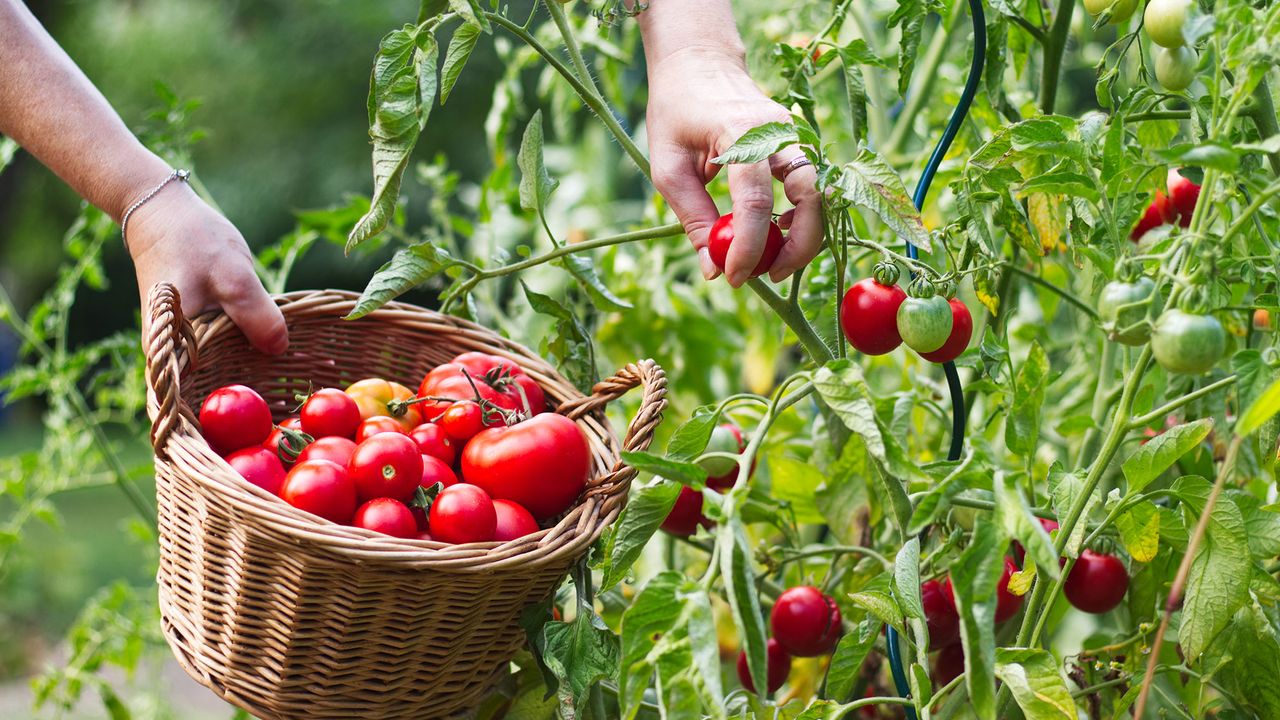
There’s nothing quite like the taste of homegrown tomatoes — freshly picked off the vine and straight into your tasty meals. Even though these crops are the easiest to grow, it can be disappointing when your harvest lacks the punchy, vibrant flavor you hoped for.
In fact, this once happened to me, and it was such a let-down, especially after all my hard efforts. This time around, however, I’ve reached out to professional gardeners to uncover why this happens and to give me their top tips for ensuring a flavorsome crop.
So, if you don’t want to end up with a disappointing harvest, here are the three essential factors that determine whether your tomatoes will be packed with tasty flavor.
1. Choose the right variety
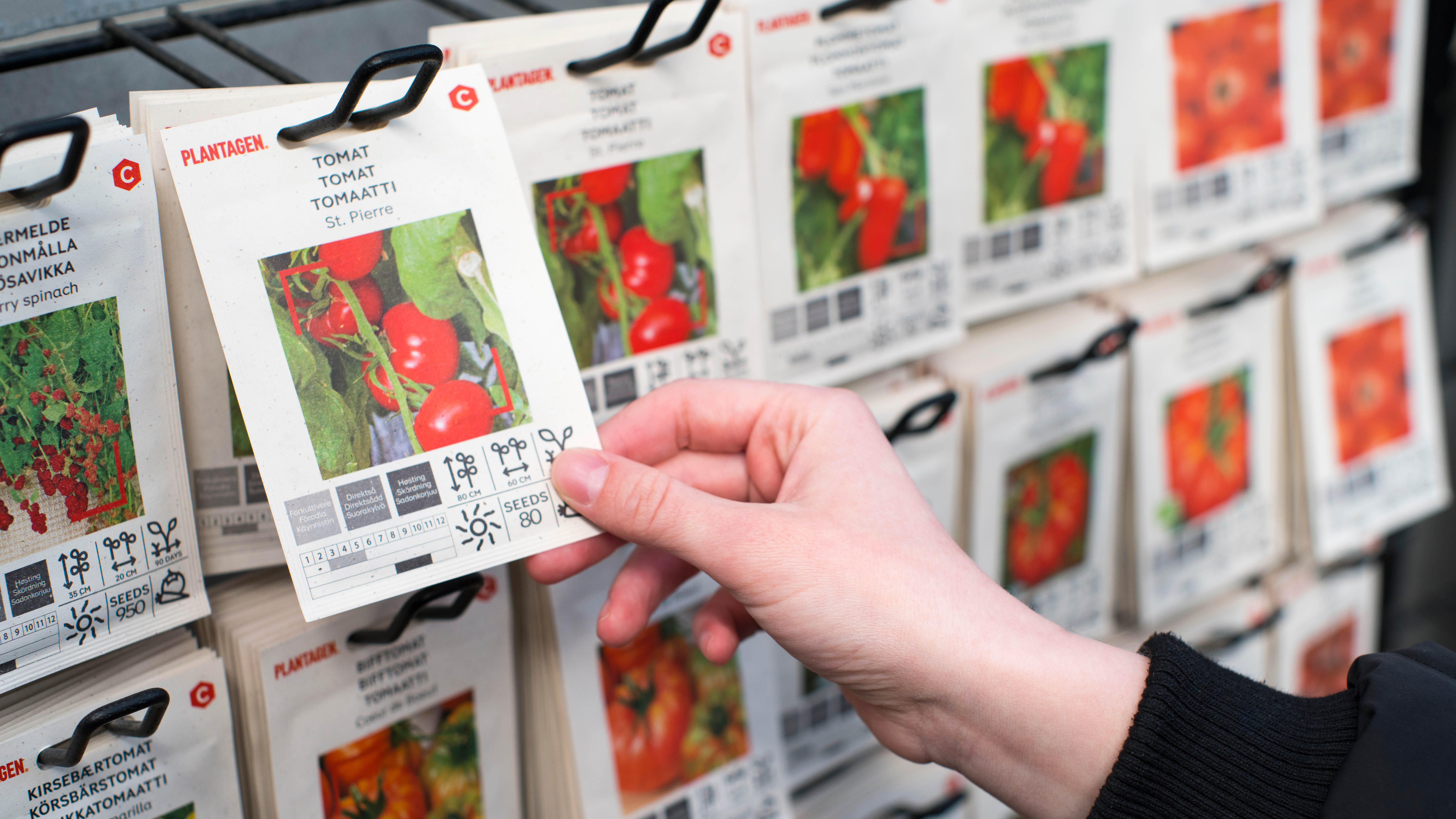
One key factor behind your bland tomato harvest could be the variety you’re growing. According to experts, you can choose certain varieties based not only on fruit size and color, but also on certain flavors. Some tomatoes are simply not as flavorful as others.
“The variety of tomato can determine flavor,” states Jessica Mercer, Ph.D. Horticulturist at Plant Addicts. “Some tomatoes are bred for shipping ease, firmness, disease resistance, or high yield.
"Others, like cherry tomatoes, grape tomatoes, and many heirlooms, are known for good sugar-acid balance and aroma.”
Before picking out your plants to grow, it is worth considering your preferred taste/flavor and researching which specific varieties match your desired taste profile. That should hopefully save you a lot of disappointment when these are ready for the picking.
For more planting tips, check out Tom's Guide to tomatoes for everything you need to know about growing a juicy harvest.
2. Let your tomatoes soak up the sun
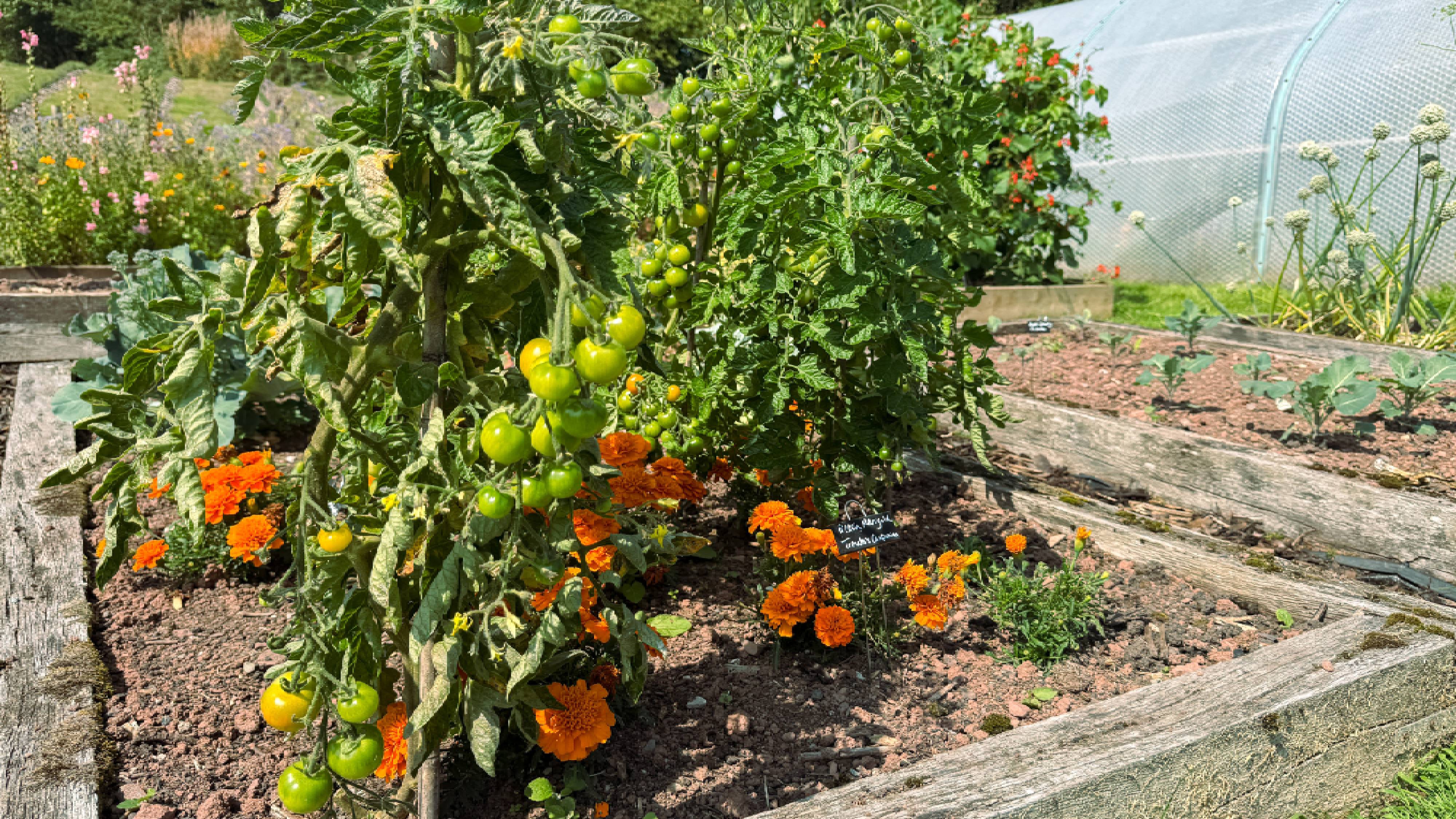
Tomatoes are sun-loving plants and need at least 6-8 hours of direct sunlight daily to help them produce more fruit. Without adequate sunshine, plants struggle to photosynthesize and produce complex sugars and acids in the fruit. This essentially gives our tomato crop their tasty flavor.
"Think of the sun like a solar panel for homegrown tomato flavor — it gives them the fuel and energy they need to perform their best,” adds Corinne Beirne, gardening coach and founder of The Nourished Garden.
“Letting them ripen on the vine versus ripening them on your windowsill will maximize taste too, especially after they've been sitting in the sun for a while without too much water before a harvest." What’s more, low-light conditions are known to cause watery, bland fruit that lacks sweetness.
In addition, knowing when the right time to pick your tomatoes is can make all the difference. “For optimal flavor, tomatoes should be harvested at the right time,” adds Mercer. “Pick when the fruit has started to turn its mature color and pulls easily from the vine.
“Finish ripening it at room temperature. Tomatoes picked too early may not develop as much flavor as fruit that ripened longer on the plant.”
3. Avoid overwatering your tomatoes
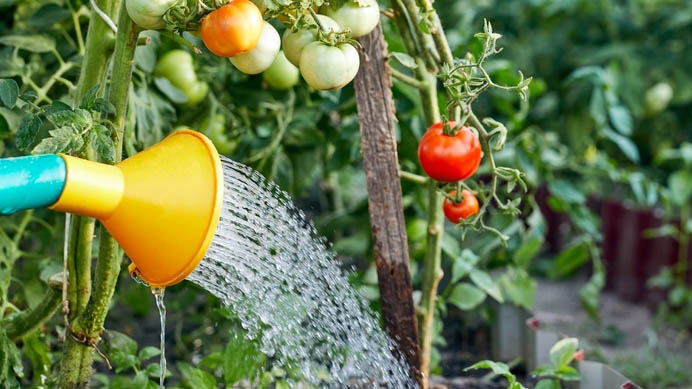
While the summer heat might tempt you to reach for the hose more often, overwatering or saturating your tomato crop can actually dilute its final taste and flavor. The general rule of thumb is to water only when the top two inches of soil start to dry.
“Too much water, particularly when fruit is ripening, can dilute the sugars and acids that give tomatoes their flavor,” explains Mercer. “Water deeply and consistently when the top inch or two of soil begins to dry. Check the soil for dryness before watering again.” What’s more, overwatering tomatoes, especially before a harvest, can make a real difference to their sweetness.
Plus, you’ll want to ensure your soil is kept in a healthy condition, free from disease or root rot, often triggered by overwatering. You can also add a rich, organic fertilizer like a good fish fertilizer. This is because fish contains all the essential plant nutrients such as nitrogen, phosphorus, and potassium — which are all needed for healthy growth.
"I like to use a good organic fish fertilizer like Neptune's because it nourishes both the plant and the soil without being too harsh,” suggests Beirne.
“Healthy, nutritious soil provides the right conditions for the plant to produce the most flavorful fruit."
For more top tips, check out when to fertilize tomatoes: the 3-step schedule for a bountiful harvest.