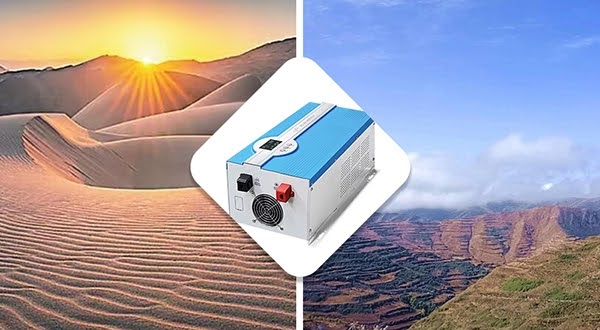
Have you ever wondered how to maintain lights, fans, or even a fridge without power from the main grid in a cabin or a farmhouse?
The solution is an off-grid inverter. To anyone who desires to live in inaccessible places and does not want to live in urban areas, this device will help him or her live in a comfortable way since it provides quality power.
What is an off-grid Inverter?
An Off Grid Inverter is a device that converts DC power from solar panels or battery storage to AC power used on home appliances.
All our appliances at home, such as televisions, refrigerators, or water pumps, operate on AC, and without an inverter, it becomes impossible to utilize solar stored in batteries.
How an Off-Grid Inverter Helps Remote Living
Off-grid in mountain cabins, or farmhouses in villages, or even in workshops not supplied by the grid, grid power is extremely expensive, or impossible. Here, a reliable solution can be via an off-grid inverter.
It will enable you to live comfortably, as it provides you with solar energy or which is stored in batteries. You can power appliances and charge gadgets, and even use small equipment.
It is the same as having regular city electricity, and the advantage is that there is not a bit of dependence on it.
Power Range and Options
Among the most magnificent things about off-grid inverters is that they are available in right and left sizes. They span the realms of small 700-watt systems to large ones of up to 30 kW.
That is, a small cabin can work with a small inverter to use lights and the fan only, whereas an entire house or even a small business can use dozens of appliances with a larger model.
High-capacity inverters are an optimal solution for those people who need to power an entire remote home or even a community setup.
Input and Output Flexibility
These inverters are available with various input voltages, namely 12 V, 24 V, and 48 V DC. This allows users to select the configuration depending on the size of his or her system and battery bank.
To illustrate, a 12 V inverter is very easy to couple with a small solar system consisting of a few solar panels, whereas larger systems at home or farms may favor 48 V energy requirements.
The result is clean in-pure sine wave AC, effectively the same thing as the grid, so it is safe to operate sensitive equipment on it.
LCD Display for Easy Monitoring
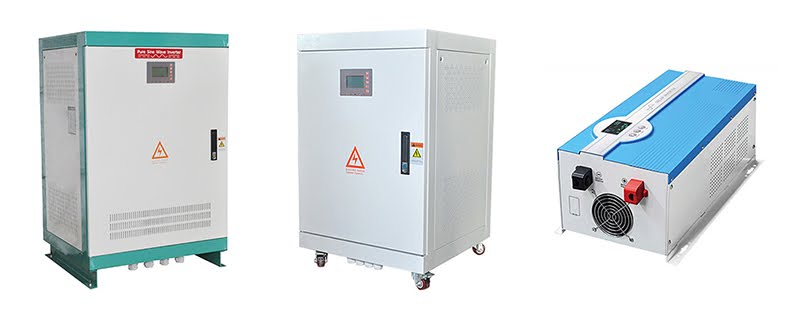
The latest off-grid inverters include LCDs informing of the real-time information. This is the current load, the state of the battery, and the voltage output.
In the case of remote homes and cabins, this option assists individuals in understanding how much energy they have and the way it is being consumed, which brings a sense of forcing and reassurance.
Safety Protections for Peace of Mind
These inverters contain various protective features against overloading, short-circuiting, and high temperatures. This allows your devices to remain safe, and the inverter itself lasts a long time without any hitch.
Safety to individuals in cottages or off-site houses is also very crucial, as service might not be available in the vicinity. By taking these precautions, the inverter continues to run freely without troubling anybody.
Why Remote Homes and Cabins Need It
Off-grid inverters in a remote house or rustic cabin are peaceful and secluded, but it also means you can bring your power with you.
This is possible with an off-grid inverter that converts solar or battery energy to a similar form of electricity that you enjoy in town, allowing everyday operations to remain cool and pleasant.
Independence from the Grid
In isolated houses and cabins, they cannot depend on the grid. An off-grid inverter offers absolute freedom where you are not held up by a connection.
Power for Daily Needs
Off off-grid solar machines are designed in such a way that, regardless of mountainous terrain or forests, modern conveniences can still be enjoyed. The inverter makes life in far-off locales as comfortable as in cities with its lights at night-time, fans during summer, and even kitchen appliances.
Energy Efficiency
With an inverter, solar panels are used in the generation of renewable energy. It is friendly, cost-effective, and it continues to run with no additional payments. With an appropriate battery bank, this even enables storing energy to use at night or on cloudy days, or conversely, having power on demand 24 hours a day.
Common Applications
Homes and Cabins
In remote cabins or in villages, the lack of internet connections does not present a problem since off-grid inverters can supply the house or the communal building with electricity. Families are using them to equip fans and lights, and appliances to make their lives convenient daily.
Farms and Workshops
Farmers employ them in water pumping, chicken lighting, and small machines. They are also used in the workshops in the remote areas in order to power the equipment.
RVs and Travel Use
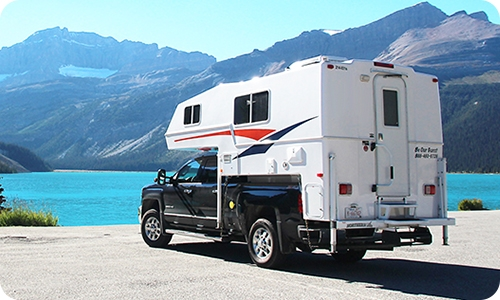
Travelers have them installed in caravans and RVs to have electricity during their excursions. Appliances even work when one is shifting across highways or camping in wild places.
Backup for City Homes
Even in cities, there are some families who put an off-grid inverter on backup. This will mean that when there is a power cut, they will not be affected by it; instead, life goes on.
Why They are Perfect for Remote Living
Selecting an off-grid inverter for a remote home or cabin is like selecting comfort and reliability in a single bound. It provides reliable current power without having to be connected with the grid, hence it is easy to enjoy modern life even in remote and most tranquil areas.
Easy to Set Up
Even a Hybrid Solar Inverter is so easy to install and use, as well as off-grid inverters. When linked with each other, they just run silently in the background and give you a steady electric current to use.
Strong and Reliable
Such solar inverters are long-lasting. Environmentally Tight, they will even withstand years of use with day-to-day loads in cabins and even remote homes.
Flexible Choices
There are 12 V versions up to 48 V systems and power ratings up to 200kW to match every requirement. The flexibility also makes it affordable to cabins, farms, workshops, and even community centers.
Comfort and Modern Living
Off-grid inverter implies that remote life does not imply sacrificing comfort. You do not have to compromise when using fans, televisions, lights, and even refrigerators.
Conclusion
An off-grid inverter is not a mere machine. With cabins and homes in remote areas, it is the link between modernity and nature. It has a clean sine wave output, various options of voltage and an LCD that monitors, powerful safety protection features, and stability of power.